
The structure of the Philippine government follows a clear system designed to protect the rights, safety, and freedom of every Filipino.
Power is divided among the executive, legislative, and judicial branches, which are separate and balanced, as written in the 1987 Constitution.
The Philippine Government Is Democratic, Republican, and Presidential
The Philippine government is democratic, republican, and presidential.
Democratic, because authority ultimately comes from the citizens; they have the power to choose their leaders through regular elections.
National elections happen every six years for the president and vice president, and local and legislative elections every three years for senators (staggered) and local officials.
Republican, because it is not ruled by a monarch but by representatives, who are expected to serve the public interest and are accountable for their actions.
And presidential, because the president is both the head of state and government, independent of the legislature, and elected separately.
The 1987 Constitution Adopts the Principle of Separation of Powers
The 1987 Constitution clearly separates government power into three branches to prevent power from concentrating in one person or group.
Each branch has its own responsibilities, and no branch should interfere with the main duties of another. Officials in one branch also generally can’t hold positions in another branch at the same time.
Learn more about the branches of the Philippine government below.
Executive
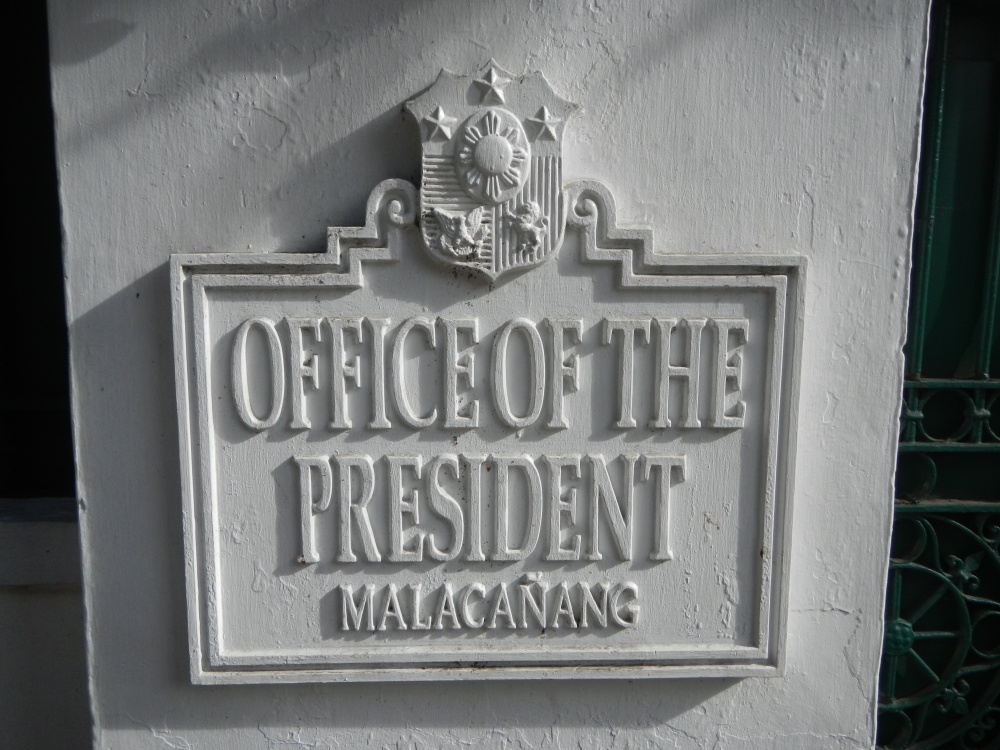
The executive branch is responsible for enforcing and carrying out the laws passed by Congress. It is led by the president, who serves as the head of state, head of government, and commander-in-chief of the Armed Forces.
The vice president and the Cabinet are also under the executive; the vice president supports the president, while the Cabinet consists of department heads who manage the day‑to‑day of their respective agencies.
Legislative
The legislative branch creates, debates, and passes laws.
In the Philippines, this branch is called Congress, and it has two chambers: the Senate (upper house) and the House of Representatives (lower house).
The Senate represents the entire nation, and its members serve longer terms. It focuses on national issues, foreign policy, and broad public concerns.
On the other hand, the House of Representatives represents specific districts and sectors through district representatives and party-list groups, who deal with local concerns, community needs, and national legislation.

Judiciary
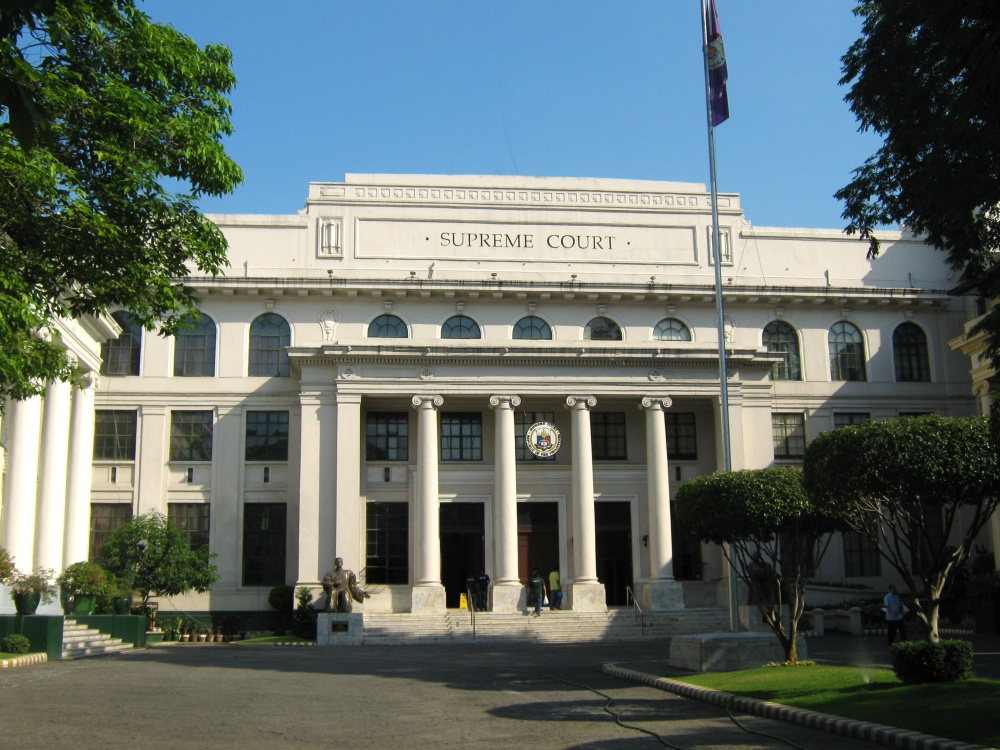
The judiciary interprets the law and ensures that justice is applied fairly and correctly. The highest body in it is the Supreme Court; below it are the Court of Appeals, Regional Trial Courts, and other specialized courts.
The Supreme Court has the power of judicial review, which means it can declare laws or executive actions unconstitutional. When this happens, the law or action is invalid.
The main job of this branch is to settle disputes between individuals, between individuals and the state, or between government agencies.
Judges are not elected, and their decisions should not depend on political pressure. They follow the 1987 Constitution, laws, and legal precedents.
Checks and Balances Prevent Each Branch From Being Too Powerful
Checks and balances allow each branch to limit the powers of others. This it to prevent a single branch from becoming too strong or abusing its authority.
For example, Congress can make laws, but the president can veto them. However, Congress can override the veto with enough votes.
Additionally, the judiciary can review laws passed by Congress and actions taken by the executive. If the Supreme Court finds them unconstitutional, it can strike them down. The 1987 Constitution is the supreme law.
Congress also checks the executive by controlling the national budget; if the executive misuses funds, they can investigate and initiate impeachment.