
In the Philippines, sustainable development has strengths and challenges.
On one hand, it has rich natural resources, a young population, and a good location in Southeast Asia. On the other, it struggles with poverty, environmental degradation, and governance issues.
Development doesn’t only mean economic growth. It requires a balanced approach that considers the economy, society, and the environment.
Many economic activities in the country depend on nature, such as agriculture, fishing, and tourism. If these are not managed well, it might gain short-term economic benefits but lose long-term stability.
Sustainable Development Meets the Needs of the Present and the Future
Sustainable development meets the needs of the present without compromising the ability of future generations to meet their own needs.
The United Nations created the Sustainable Development Goals to give countries around the world a unified plan for ending poverty and protecting the planet by 2030.
It doesn’t focus only on what benefits people now, but also on whether these actions will still allow the next generation to live well.
For the Philippines, many communities rely directly on natural resources.
If these resources are used irresponsibly, it may lead to food shortages, water scarcity, climate-related disasters, and increased poverty in the future.
What Hinders Sustainable Development in the Philippines
A country can’t fix social problems without economic growth, but it also can’t grow the economy by destroying ecosystems that people depend on.
Below are factors that hinder sustainable development in the Philippines.
Large Gaps Between Rich and Poor
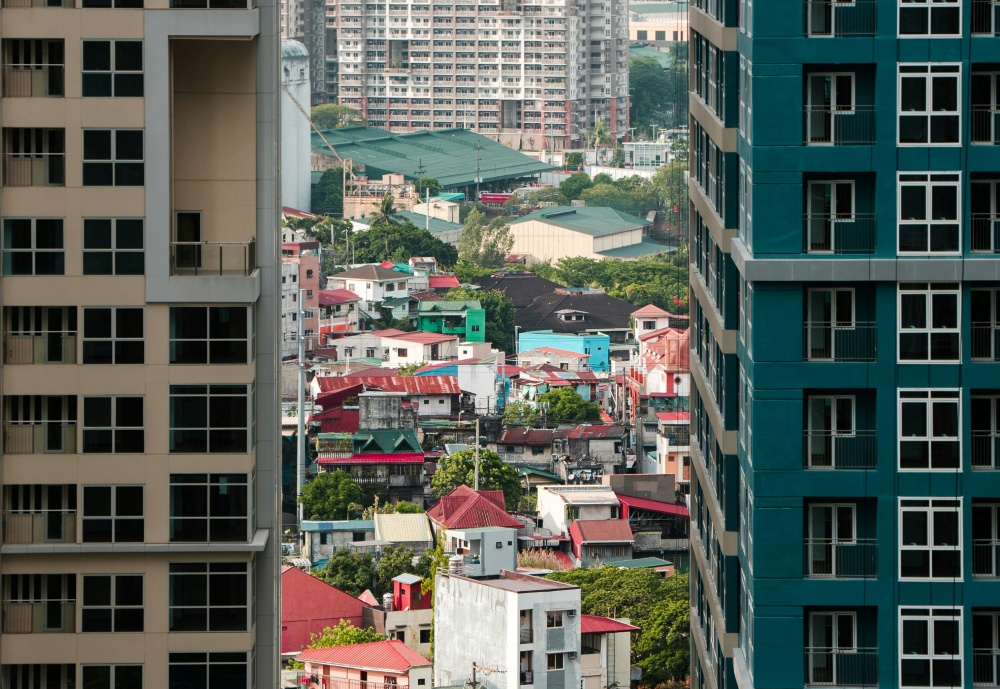
Even though the Philippines has wealthy citizens and great industries, many families struggle with hunger, poor housing, and limited access to education.
Having such a large gap makes it difficult to create programs that benefit everyone equally. Wealth is concentrated in urban areas, while rural communities remain underdeveloped.
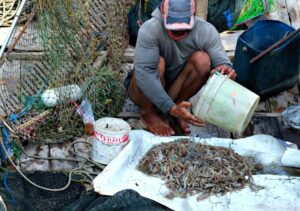
Also, when poor communities depend heavily on natural resources, they may resort to unsustainable practices, such as illegal logging, dynamite fishing, or slash-and-burn farming simply to survive.
Unstable Job Opportunities
Many Filipinos struggle with unstable or low-quality jobs.
A large number of workers are employed in the informal sector, meaning they don’t have job security, benefits, or proper working conditions.
Even college graduates find it hard to get stable jobs that match their skills.
If many people in a country are financially insecure, they can’t support long-term economic growth. They may also accept work in environmentally harmful industries simply because no other options exist.
Limited Access to Quality Healthcare
Sustainable development requires a healthy population because people must be physically capable of working, studying, and participating in community.
When they don’t have access to good healthcare, they become more vulnerable to disease, malnutrition, and long-term health problems; poor health makes it hard for them to contribute to the economy.
It also affects children’s development, which impacts future generations.
Overconsumption Leading to Overextraction
In the Philippines, there is an overextraction of natural resources. Businesses and individuals take too much from nature without giving it time to recover.
It can create short-term economic gains, but it eventually leads to long-term losses because natural resources become scarce or permanently damaged.
It weakens the country’s ecological foundation.
Destructive Resource Extraction Methods
Illegal logging, open-pit mining, and destructive fishing techniques have harmed ecosystems for decades; people resort to these methods because they are cheaper and faster, but the negative effects last for generations.
Rapid Urbanization with Improper Planning
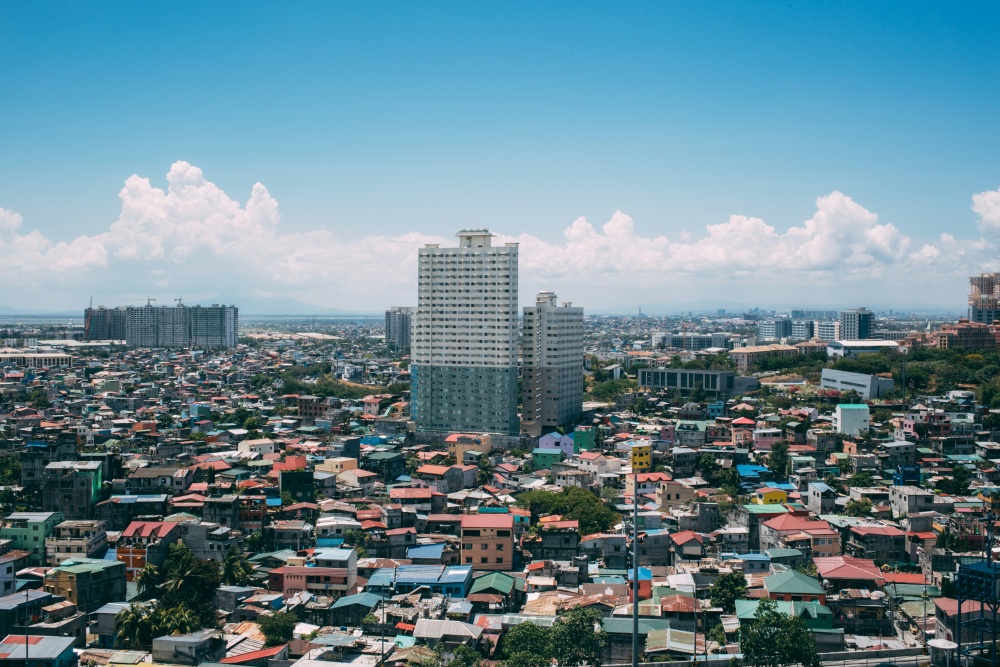
Urbanization in the Philippines is happening quickly, but planning has not kept up. Many cities suffer from overcrowding, traffic congestion, poor drainage systems, and lack of affordable housing.
It leads to pollution, flooding, and limited public services. It also puts pressure on land and natural resources in and around the area.
Poor Governance and Corruption
Poor governance and corruption weaken all aspects of sustainable development. When funds are misused, it prevents important projects from being completed. Even well-designed sustainability programs will fail.
It also discourages investors and slows down economic growth.
Destructive industries may also continue harming natural resources because of poorly implemented environmental policies.
Why Sustainable Development in the Philippines Is Possible
Despite the hindrances, sustainable development in the Philippines is possible, if its plans consider long-term impacts, not just short-term gains.
Rich Natural Resources and Human Capital
The Philippines has abundant natural resources, including fertile land, mineral deposits, forests, rivers, and marine ecosystems.
The location of the Philippines along the Pacific Ring of Fire and within the tropics gives it fertile volcanic soils, warm climates, and vast marine areas that support abundant biodiversity.
It also has a young and highly trainable population; human capital is just as important as natural resources because sustainable development requires skilled workers who can innovate and manage resources responsibly.
Growing Awareness of Environmental and Social Issues
Many Filipinos are becoming more conscious of climate change, waste management, environmental protection, and social justice issues.
This awareness leads to behavioral change, such as reducing plastic use, conserving water, and supporting local farmers.
They understand the consequences of their actions, so they are more likely to support policies and practices that protect the environment.
Strong Potential in Renewable Energy and Ecotourism
The Philippines has great potential in renewable energy because it has abundant sunlight, strong winds, geothermal resources, and hydropower sites.
It is also home to beautiful beaches, forests, mountains, and marine ecosystems, so ecotourism is another area with high potential.
Ecotourism provides jobs for local communities and raises awareness about conservation. It brings economic benefits while protecting environments.
What You Can Do to Contribute to Sustainable Development
One of the simplest ways to help is by reducing waste: using reusable containers, recycling properly, and avoiding single-use plastics.
Many eco-friendly businesses encourage this practice: If you don’t bring any eco-bags or eco-containers, you will not be able to enjoy their discounts or access their reusable packaging options, or buy anything at all.
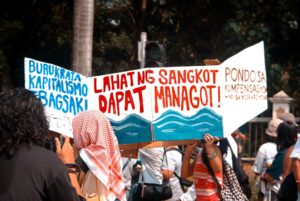
You can also participate in community cleanups, tree planting, and environmental campaigns. To make a bigger impact, educate others.
Educating others about sustainability, whether in school, at home, or online, creates a ripple effect that encourages more people to act responsibly.