
The women’s suffrage movement was the reason why women can vote now and speak up about political issues that matter to them.
It was also the reason why they can now study politics; it wouldn’t have been possible for me to get a degree in political science if not with them.
If you didn’t know, women were inferior to men many centuries ago, and the government wanted to keep it that way.
Long‑standing patriarchal systems, religious traditions, and early legal codes taught that men should lead while women were restricted to domestic roles.
So, they were prohibited not only from engaging in politics, but also from being educated. They must not see the faults in the system, right?
Still, many saw how unfair the situation was, and they couldn’t keep quiet about it. And that was how the women’s suffrage movement started.
What the Government Thought of Women Before the Suffrage Movement
Before the women’s suffrage movement, governments believed that women didn’t need to vote because their husbands would do it for them.
They were seen mainly as caretakers, housewives, and mothers. They belonged only in the home where their husbands were in charge.
They were treated as if they couldn’t think or decide for themselves.
Women Were Represented by Their Husbands in the Ballot Box
Back then, most laws simply shut women out of voting altogether.
Anti‑suffrage politicians defended this by saying that letting them vote would just “duplicate” the household vote or even disturb family harmony.
Everything was built around the idea that the husband was the head of the household, which meant unmarried women and widows were left with no one who supposedly spoke for them.
What Inspired Women to Fight for Gender Equality
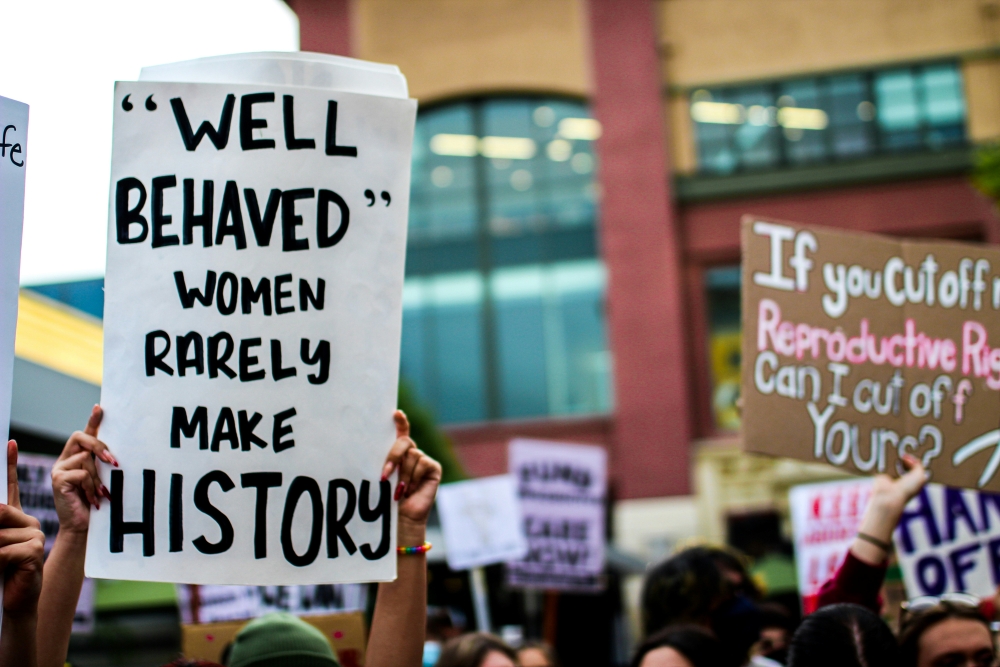
As new conversations about freedom and human rights spread through the 18th and 19th centuries, they began asking where they fit into that picture.
So, they joined different social movements, organized events, led campaigns, and proved they were more than capable.
But even with all that effort, they were still pushed aside. It became clear that if they wanted to be heard, they needed a real place in politics.
Mary Wollstonecraft’s A Vindication of the Rights of Woman
Mary Wollstonecraft was one of the earliest voices for women’s rights.
Back in 1792, she wrote A Vindication of the Rights of Woman, where she argued that women weren’t naturally less intelligent than men; they only seemed that way because they were denied education and opportunities.
Mary Wollstonecraft said that women deserve the same rights and education as men, as they are equally capable of reason.
She believed society would be stronger and fairer if both were treated equally and given the same chances to learn, grow, and lead.
Realization of Women’s Usefulness in Political Situations
Women were already organizing protests, joining reform movements, supporting anti‑slavery efforts, and running community programs.
Then the World Wars came, and they stepped up even more: working in factories, serving as nurses, and managing communities while men were away.
They proved they could handle not just households, but whole industries and public life. So, it raised a question: Why were they still not allowed to vote?
Why were they asked to serve their country but denied any say in it?
As they proved again and again that they could excel in every role, it became undeniable that they deserved the same rights as men.
Women’s Suffrage Movement Was a Global Cause
The women’s suffrage movement took different forms in different places, but the goal was the same: equal voting rights.
Women around the world supported and inspired one another.
New Zealand
New Zealand made history in 1893 when it became the first country to let women vote in national elections, thanks to Kate Sheppard.
She organized massive petitions (including one with nearly 32,000 signatures), gave speeches, wrote articles, and traveled to spread the message that women deserved political rights.
She wasn’t literally “annoying” lawmakers, but she was persistent and strategic, so it became increasingly difficult for them to ignore her.
All that effort paid off when the Electoral Act of 1893 finally passed.
United Kingdom
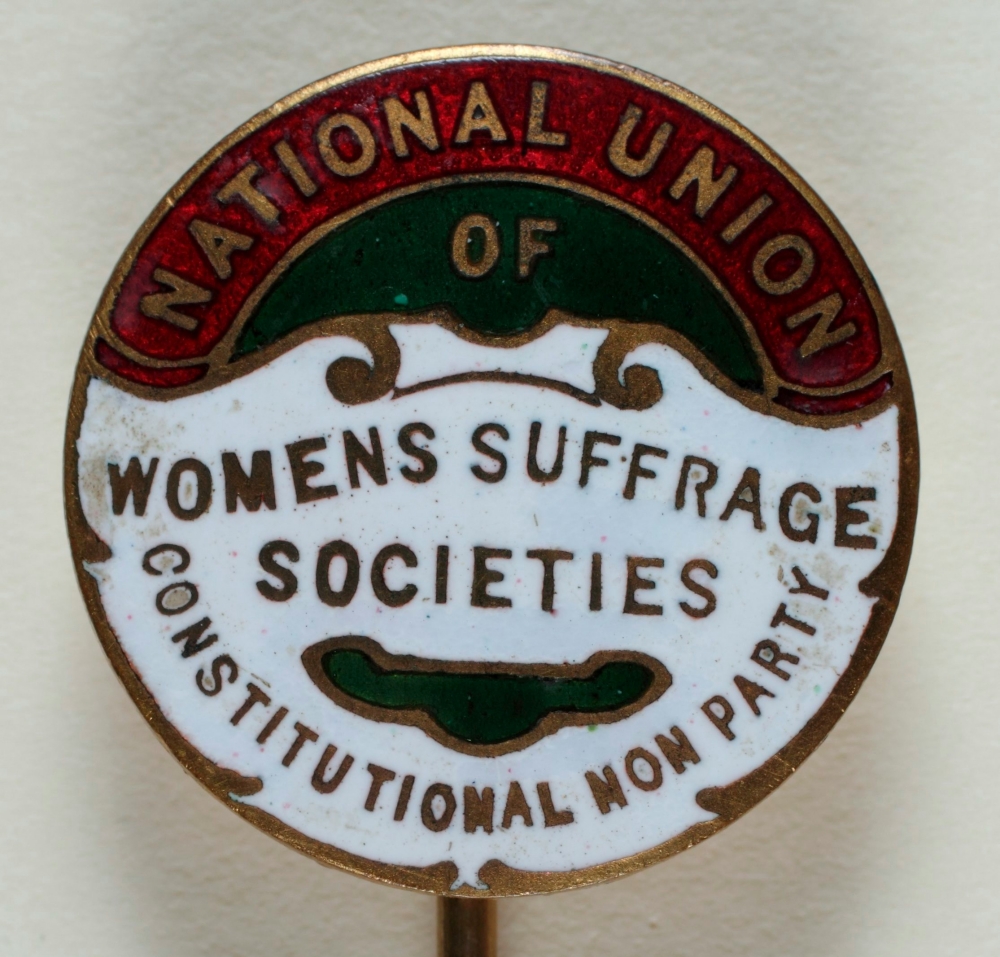
In the United Kingdom, the movement began in the mid-1800s with the National Union of Women’s Suffrage Societies, led by Millicent Fawcett.
But her group wasn’t taken seriously because they were simply writing letters, giving speeches, and organizing petitions.
Eventually, Emmeline Pankhurst and her daughters stepped in, and they created a more radical group called the Women’s Social and Political Union.
They were known as suffragettes, who used more aggressive tactics: smashing windows, chaining themselves to fences, and going on hunger strikes when jailed. The British government violently responded.
But public sympathy for them grew, especially when Emily Davison, an activist, was killed after stepping in front of the king’s horse in 1913.
In 1918, British women over 30 (who met property requirements) were finally allowed to vote. In 1928, this was extended to all women over 21.
United States
The women’s suffrage movement in the United States began in 1848 with the Seneca Falls Convention, where Elizabeth Cady Stanton and Lucretia Mott demanded voting rights for women.
They created the Declaration of Sentiments, stating that “all men and women are created equal.” In the years that followed, Susan B. Anthony and Sojourner Truth traveled the country, giving speeches and organizing rallies.
The fight continued into the early 1900s, with a new generation of activists, including Alice Paul, who led massive protests and picketed the White House.
Alice Paul’s most notable achievement was leading the militant push for women’s suffrage and helping secure the 19th Amendment in the United States.
Many of them were arrested and treated harshly, but they didn’t give up.
In 1920, the 19th Amendment was finally ratified, giving some American women the right to vote. The thing is, not all women benefited equally.
Due to racism and discriminatory laws, many Black, Native American, Asian, and Latina women still faced barriers at the time.
Rest of the World
Outside of the United States, the United Kingdom, and New Zealand, women around the world also fought hard for voting rights.
Australia granted women the right to vote in 1902, although Indigenous people were excluded until much later.
Finland followed in 1906, becoming the first country in Europe to do so.
In India, Sarojini Naidu and others worked for women’s voting rights during British rule. In many African countries, women had to wait until after independence to gain political rights.
The last country to grant women full voting rights was Saudi Arabia, in 2015.
The Suffragists and the Suffragettes of the Movement
The women’s suffrage movement had two main groups: suffragists and suffragettes. Both fought for voting rights, but they used different strategies.
Suffragists were peaceful and respectful; they gave speeches, held meetings, and submitted petitions, among others.
The main suffragist organization in Britain was the National Union of Women’s Suffrage Societies, led by Millicent Fawcett.
Suffragettes, meanwhile, believed that more aggressive action was needed. They were frustrated that peaceful efforts had been ignored for years.
They formed the Women’s Social and Political Union, led by Emmeline Pankhurst, and became known for protests, civil disobedience, and even window-breaking and hunger strikes in prison.
White and Black Activists Fought Separately at the Start
During the early years of the women’s suffrage movement, white suffragists ignored or excluded Black women, as they thought that including them would make their cause less acceptable to racist lawmakers and southern states.
As a result, Black women were left to form their own groups, such as the National Association of Colored Women. They worked hard not only for voting rights but also against racism and violence in their communities.
Women Who Fought for Women’s Right to Vote
These women stood up to unfair laws that kept women out of politics, and they refused to back down. Because of their persistence and activism, women today can fully exercise their right to vote.
Alice Paul
Alice Paul organized some of the most famous events in the American suffrage movement, including the 1913 march in Washington, D.C., and daily picketing outside the White House, something that had never been done before.
She was arrested multiple times and went on hunger strikes in jail, where she was force-fed. Her determination brought attention to the movement.
She also wrote the first version of the Equal Rights Amendment, which aimed to guarantee equal legal rights for all citizens regardless of sex.
Susan B. Anthony
Susan B. Anthony spent over 50 years fighting for women’s rights. She even voted illegally in 1872 and was arrested for it, making national headlines.
The 19th Amendment was later nicknamed the “Susan B. Anthony Amendment” in her honor, but she never saw it passed, as she died in 1906.
Sojourner Truth
Sojourner Truth is known for her speech in 1851, Ain’t I a Woman? The main idea was that women didn’t have to be white or delicate to deserve rights.
At that moment, she reminded everyone that Black women worked hard, suffered deeply, and deserved equal rights, including the right to vote.
Ida Wells
Ida Wells exposed the horrors of lynching and stood up to racism in both the United States and the women’s suffrage movement itself.
In 1913, she refused to march at the back of the women’s suffrage parade in Washington and walked with the Illinois delegation instead.
She founded the Alpha Suffrage Club, one of the first Black women’s suffrage groups in the United States.

Emmeline Pankhurst
Emmeline Pankhurst was the leader of the suffragettes in the United Kingdom. She founded the Women’s Social and Political Union and inspired thousands of women to demand voting rights through “deeds, not words.”
She was arrested multiple times, went on hunger strikes, and remained firm in her beliefs despite criticism. Her actions pressured the British government to finally grant women the right to vote.
Millicent Fawcett
Millicent Fawcett led the suffragists in Britain, spending more than 40 years writing books, organizing events, and talking to politicians.
She was respected even by those who disagreed with her; she was calm, which kept the movement alive during difficult times.
Emily Davison
Emily Davison was a British suffragette known for her extreme dedication to the cause. She was arrested multiple times and once hid overnight in Parliament to prove that women belonged there.
Emily Davison repeatedly staged bold acts of civil disobedience, including deliberately breaking windows as part of the campaign to disrupt public order and force attention to women’s rights.
In 1913, she ran onto a racetrack during the Epsom Derby and was struck by the king’s horse. She died a few days later, and many believe she was trying to attach a suffragette banner to the horse.
Her death made her a martyr for the cause.
Kate Sheppard
Kate Sheppard led the women’s suffrage movement in New Zealand, the first country to give women full voting rights.
She appears on the ten‑dollar note because she is considered a national hero.
She believed strongly in equality and wrote pamphlets, gave speeches, and organized the petition that led to women winning the right to vote in 1893.
Women’s Role in Politics in the 21st Century
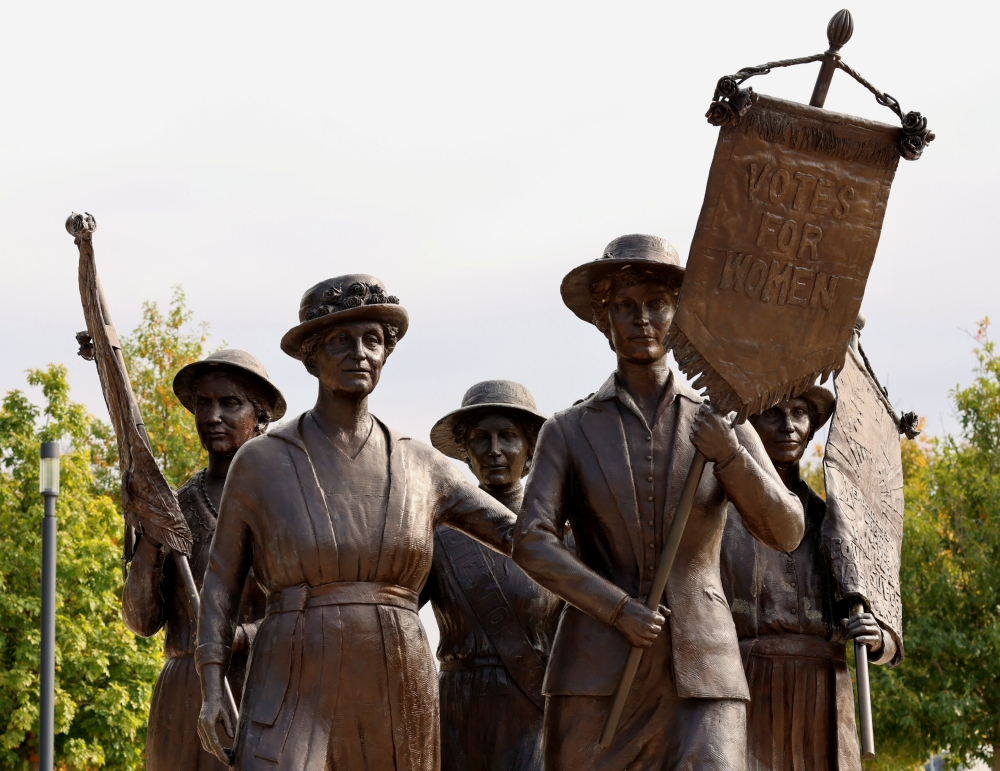
Today, women have made enormous progress in politics, but they are still underrepresented in most governments.
They face sexism, discrimination, and a lack of support; in some countries, girls still grow up thinking that politics is only for men.
Women in the 21st century are continuing the fight, not just for voting rights, but for equal pay, safety, education, healthcare, and leadership opportunities.
The world has come a long way, but until women have equal representation in every part of society, the work of the suffragists and suffragettes isn’t done.