
Sociopolitics describes how social factors and political forces are deeply connected and influence each other.
It is not just about governments and laws but also how power, inequality, identity, and social issues are woven into political life.
The “social” and the “political” are not separate but parts of the same reality.
The name of this publication, Sociopoliticool, was based on that term.
Sociopolitics Refers to the Intersection of Social and Political Factors in Shaping Societies
Sociopolitics can be seen as a blend of sociology and political science, but it is more about their overlap than being a formal hybrid field.
Political Systems Are Embedded Within Social Contexts
A political system emerges and operates within a society shaped by its culture, religion, class, and historical experiences.
For instance, many countries are democratic, but it works differently depending on the traditions, attitudes, and social structures that exist.
Democracy is a system of government where power comes from the people through free participation and elections.
In Sweden, democracy leans toward strong social welfare policies. But in the United States, it centers heavily on individual freedoms.
To understand why these differences exist, you have to look closely at the social environment each democracy grows out of.
Political Institutions Are Built Upon Social Norms
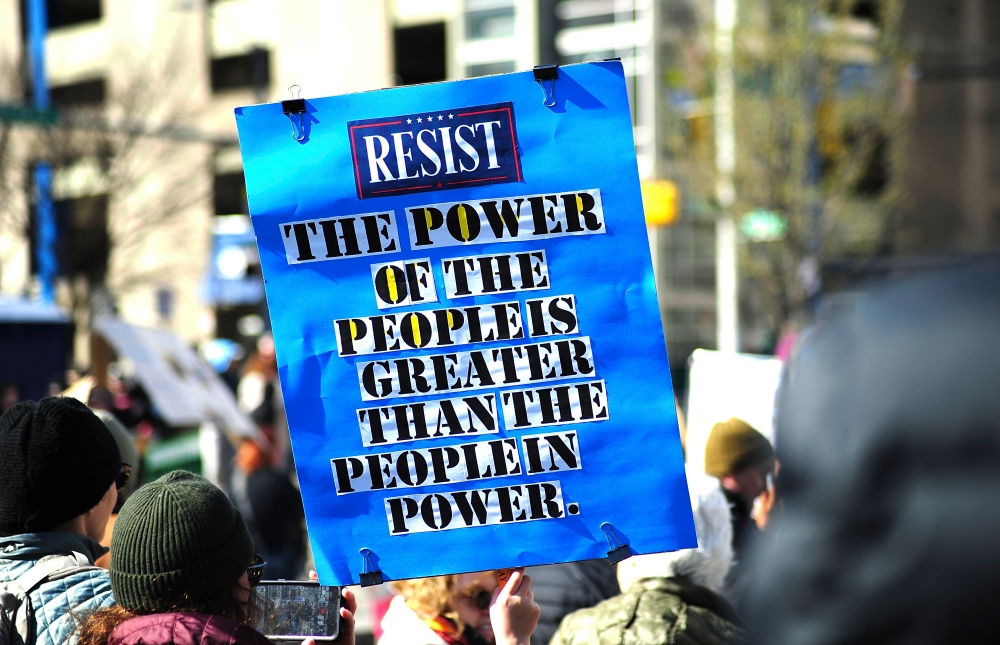
Political institutions are influenced by what is accepted as legitimate or moral, so when social norms change, political institutions are likely to change.
For example, a constitution may guarantee freedom of speech, but whether that freedom is protected depends on how society views dissent and criticism.
Also, cultural values about family, gender roles, or religion can influence laws on marriage, voting rights, and education. Even corruption or trust in government is linked to social expectations about how leaders should behave.
Social Movements Often Catalyze Political Reforms
Social movements work together to demand social or political change; they highlight problems in society and push governments to respond.
Even when they don’t achieve all their goals, they shift public conversations and influence political debates. They can challenge existing power structures.
Many Issues Are Politically Regulated and Have a Social Impact
Laws and public policies determine who gets access to services, how resources are distributed, and who is protected or marginalized.
Political decisions can either reduce or widen inequalities.
For instance, whether a country has universal healthcare or a private system affects the quality of life and financial security of its people.
Is Sociopolitics Similar to Political Sociology and Sociology of Politics?
Sociopolitics is similar to political sociology and the sociology of politics, but it is more about how social issues and political power affect each other.
Sociopolitics Is Not a Formal Discipline But the Interaction Between Social and Political Forces
Sociopolitics is not an official academic discipline but a way of thinking about how social and political forces constantly interact in everyday life.
It covers the practical realities of how beliefs, cultural norms, economic conditions, and identities influence politics, because politics is woven into social life and interactions, not just the government and politicians.
Political Sociology Is a Subfield of Sociology That Investigates How Society Affects Politics
Political sociology is an academic field within sociology that examines the impact of social factors on political systems, behaviors, and structures.
Sociology examines how people interact, how groups function, and how social structures shape human behavior.
It explores topics like voting patterns, political participation, class struggles, and the role of social institutions in politics, often using surveys, historical analysis, and statistics to understand patterns and trends.
Sociology of Politics Is a Subfield of Sociology That Focuses on Politics Through a Sociological Lens
The sociology of politics is another subfield of sociology, but it focuses even more narrowly on political institutions, behaviors, and systems, specifically analyzed through sociological methods.
It overlaps with political sociology but can be more focused on the micro-level, like how political beliefs develop in individuals, how citizens relate to the state, or how social norms influence political participation.
Examples of Sociopolitical Issues
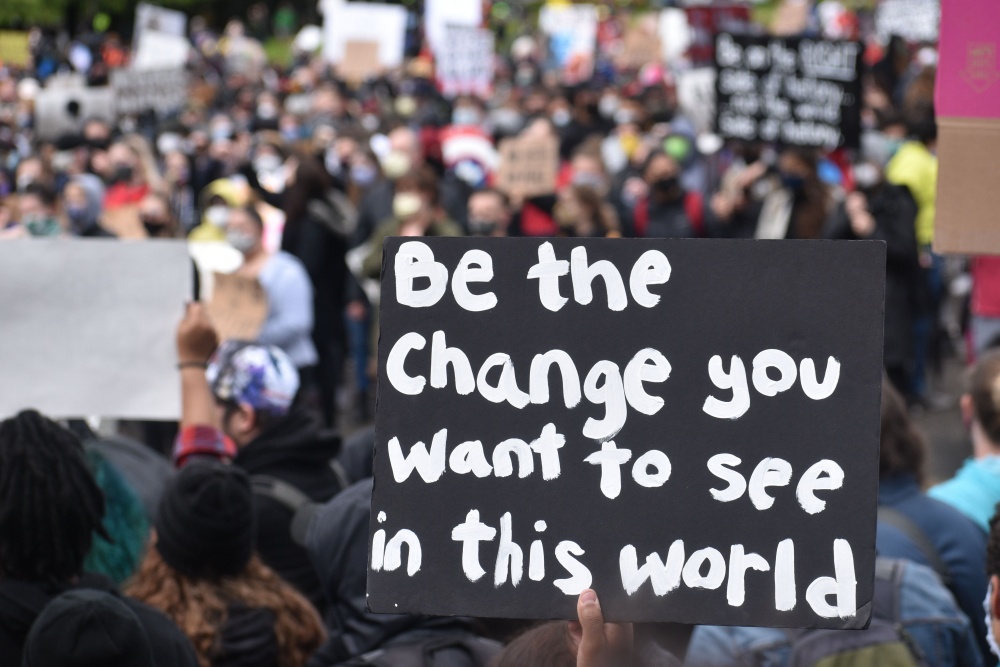
Sociopolitical issues arise from the interaction between society and government, such as corruption, injustice, and unequal access to services.
Access to Sufficient Healthcare
Healthcare works differently around the world. In some countries, it is a human right, and the government provides care for everyone. In others, it is mostly private, and those without insurance struggle to afford treatment.
Social factors affect the quality people receive. Obviously, poorer communities might lack hospitals, clinics, and trained medical staff.
Undocumented Immigrants
Undocumented immigrants live in a country without legal permission, either because they entered without authorization or stayed after their visas expired.
Opinions regarding them vary widely. Some see them as hardworking contributors, others as lawbreakers or threats to national security.
There are laws that control borders, visas, and deportation, so these immigrants frequently live in fear of arrest, separation from family, and exploitation by employers who take advantage of their lack of legal protection.
Poverty and Homelessness
Poverty and homelessness are stark examples of sociopolitics.
Poverty affects people’s ability to afford food, housing, education, and healthcare. However, laws and policies determine minimum wages, housing assistance, healthcare access, and social welfare programs.
Poverty is a personal failure to some, while others believe it comes from unfair systems that hold people back. There are different opinions about this.


Human Trafficking
Human trafficking is a global issue driven by poverty, conflict, gender inequality, and demand for cheap labor or sexual services.
Governments create laws to combat it, but enforcement can be inconsistent. Cultural attitudes also sometimes blame victims rather than offenders.
Age Discrimination at Work
Age discrimination at work affects both older and younger employees.
Ageism is discrimination based on age. It limits opportunities and unfairly devalues people simply for being young or old.
Older employees may be passed over for promotions, laid off first during cutbacks, or stereotyped as resistant to new technology.
Younger workers, meanwhile, might be dismissed as unreliable.
Freedom of Speech
Freedom of speech is the right to express opinions without censorship or punishment, but how it works depends a lot on laws and values.
Politically, countries differ in how far the freedom extends; some limit speech that threatens security, while others fiercely protect nearly all expression.
Socially, what is acceptable can vary based on cultural norms and religious beliefs. What is protected in one country might be illegal in another.
Power Shifts, Inequality Rises, and the Pressure for Change Grows
Economic crises, political situations, new technologies, and global conflicts can alter who holds influence and who is marginalized.
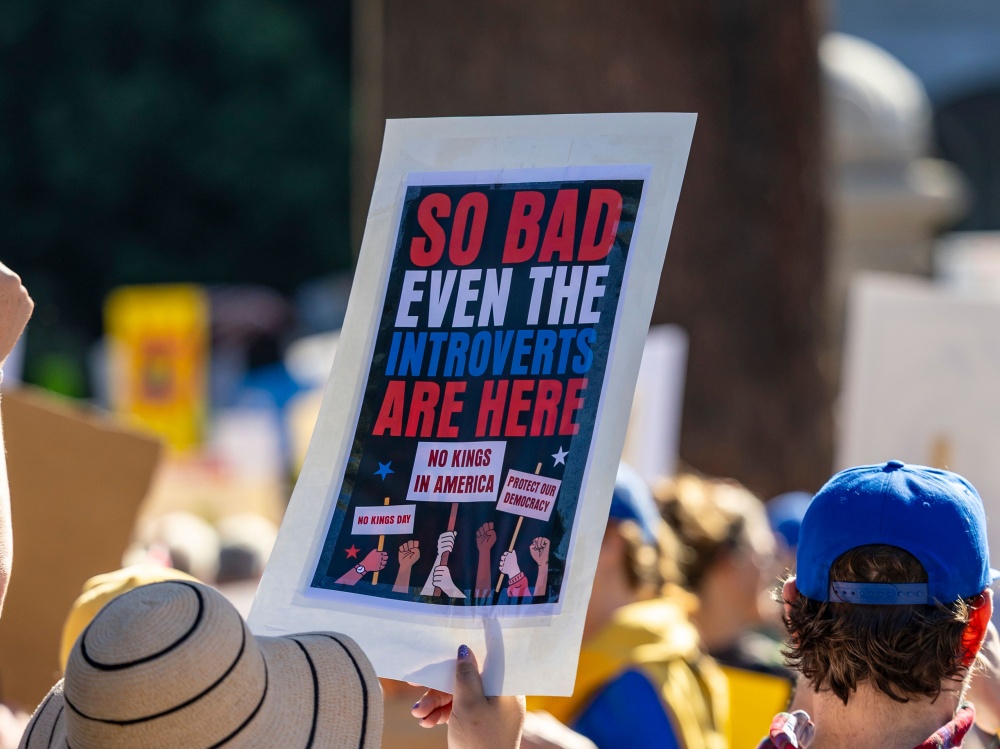
Often, as power shifts, inequalities become more visible. Social movements arise because people see these inequalities and demand change.