
We work eight hours a day, receive benefits, and more because of labor unions.
The rights we often take for granted today didn’t simply appear on their own; they were fought for through collective protests and negotiations.
The earliest labor unions began forming in the late 1800s, when workers in factories, plantations, and transportation industries organized to demand fair wages, safer working conditions, and reasonable working hours.
Let us discuss how they started, what they do, and how their efforts still help workers everywhere, even non-union members.
Labor Unions Began in the Industrial Revolution
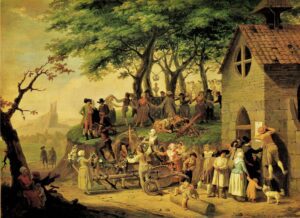
During the Industrial Revolution in the late 1700s and stretched into the 1800s, factories and large-scale industries changed how people worked.
Machines made it possible to produce goods faster and cheaper, but they also created harsh conditions for workers, who weren’t protected by law.
People Worked Overtime But They Were Underpaid
There were no laws setting how many hours a person should work in a day, so employers could make them work 12, 14, or even 16 hours, sometimes with barely any breaks. And the pay was extremely low.
Even though they spent most of their waking hours in factories, they earned just enough to survive, and sometimes not even that.
Bosses took advantage of the fact that there were more people looking for work than there were jobs available. Anyone who complained could easily be fired.
Workplaces Were Unsafe But No Health Insurances
Factories during the Industrial Revolution were extremely dangerous places. Accidents happened all the time.
Accidents during the Industrial Revolution involved factory machinery injuries, mine explosions, and child labor hazards.
Unfortunately, employers didn’t pay medical bills or give any support to injured workers. If someone was hurt and couldn’t work anymore, they would simply lose their job and income, leaving their families in desperate situations.
Children Also Worked in Unsafe Workplaces
Many children as young as five or six years old were forced to work in factories, mines, and other dangerous places because families were so poor that they needed every possible source of income.
Factory owners liked hiring them because they could pay them even less than adults. They were also small, so they could fit into tight spaces.
Labor Unions Collectively Fight for Labor Rights
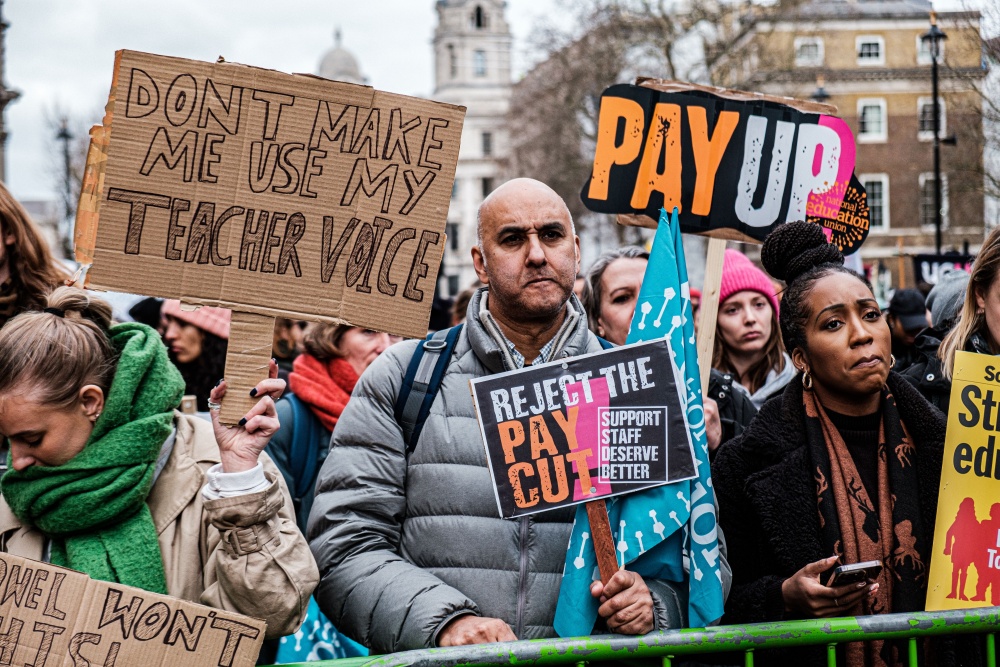
Labor unions are organized groups of workers who collectively advocate for fair wages, safe working conditions, and better labor rights.
Over the decades, they have secured many rights we now consider normal, like paid holidays, limits on working hours, and protection from unfair dismissal.
But what do they do exactly?
Collectively Bargaining with Employers
During collective bargaining, union leaders and company managers sit down to discuss the rules of the workplace, including wages, benefits, work hours, job safety rules, and other important issues.
The goal is to agree on a written contract called a Collective Bargaining Agreement, which lays out the expectations of workers and employers.
For example, it might say how much of a raise workers will get each year, how overtime pay works, or what happens if someone is laid off.
Advocating for Better Labor Conditions in Public
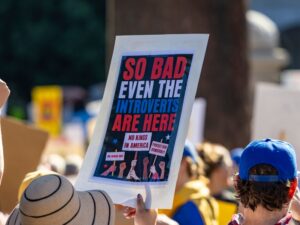
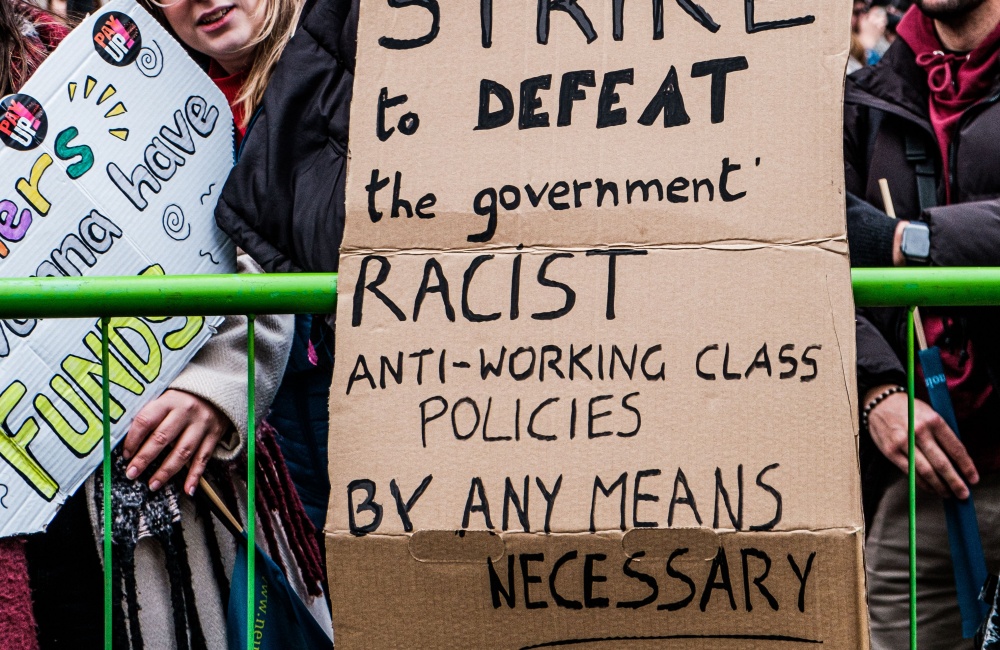
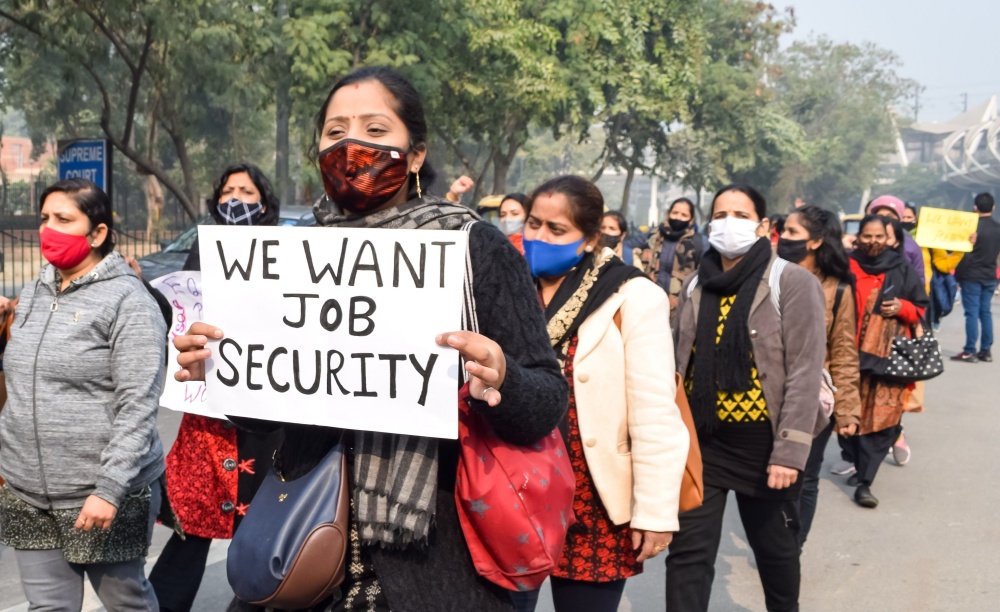
Labor unions also fight for workers’ rights in public. They may organize rallies, protests, and marches to bring attention to the issues they want resolved.
This method pressures employers and lawmakers to act because they have a reputation to protect, and public criticism can damage their credibility.
Defending Employees for Unfair Treatment
Another role of labor unions is defending workers who have been treated unfairly by their employers, or they may help them file grievances.
In unfair situations, many workers are scared to fight back on their own because they are afraid of losing their jobs, so they need help.
Non-union Members Benefit From Labor Unions
You don’t have to be a member of a labor union to enjoy many of the benefits they have fought for. For decades, they have pushed for laws and workplace standards that help all workers, not just their members.
You Work 8 Hours Daily on Weekdays
In the 1800s, it was common for people to work 12 to 16 hours a day, six days a week. This left little time for rest, family, or personal life.
Workers grew exhausted and often got sick. So, labor unions fought for the principle of an eight-hour day, which was based on Robert Owen’s slogan: “Eight hours labor, eight hours recreation, eight hours rest.”
Robert Owen was a Welsh social reformer who improved factory workers’ conditions by introducing shorter working hours, safer factory conditions, and education for laborers.
Eventually, the eight-hour day became a law in many places and set the standard for normal working hours.
You Will Be Paid Extra If You Work Extra Hours
During the Industrial Revolution and even well into the early 20th century, employers could demand long hours without paying workers any extra money.
Labor unions pushed for laws that required employers to pay “time and a half,” or sometimes even double pay, for overtime.
Even the Simplest Jobs Can’t Pay Less Than the Minimum Wage
Before the minimum wage existed, employers could pay workers as little as they wanted, especially for jobs requiring little skill or education.
This kept many families trapped in poverty.
Labor unions worked to establish a legal minimum wage that employers were required to follow, based on the belief that every worker deserves fair pay for their labor, no matter how “simple” their job may seem.
Over time, many governments passed laws setting a minimum wage, but labor unions continue to fight for it to keep up with the rising cost of living.
You Get Health Benefits If You Are a Regular Employee
In the past, employers weren’t required to provide any help with medical bills.
If you got sick or injured, you would pay everything yourself or go without treatment because you couldn’t afford it.
During collective bargaining, labor unions pushed companies to pay for health insurance, doctor visits, hospital stays, and medicines, until all of them became a standard benefit, especially in unionized industries.
You Can Not Go to Work and Still Get Paid
This refers to paid leave, which weren’t enjoyed by workers many years ago; they had to choose between coming to work sick or losing a day’s pay.
Labor unions thought that it was unfair, that workers shouldn’t be punished for being sick or needing time off for important life events.
So, they secured agreements that required employers to offer paid sick leave, vacation time, and even leave for childbirth or emergencies.


Employers Can’t Dismiss You Without a Valid Reason
At one time, employers could fire workers for any reason, or no reason at all. There were no rules to protect them from unfair dismissal.
At‑will employment exists in some countries, and it is legal. Employers can dismiss workers without needing just cause.
Labor unions demanded that they be fired only for valid reasons, like poor job performance, misconduct, or business necessity. And there must be proof.
If they feel they have been treated unfairly, the union can file a grievance and help them fight for their job back or seek compensation.
Rest Assured You Will Not Have a Child Colleague
One of the most important victories of labor unions is ending child labor not just in dangerous industries, but in all workplaces unless the work is safe, age-appropriate, and doesn’t interfere with a child’s education.
Childhood should be for growing, learning, and playing, not working in dangerous jobs. Labor unions pushed governments to pass laws setting minimum working ages and requiring children to attend school, not work.
Today, in almost all countries, it is illegal for children to work full-time in most jobs, especially in hazardous industries.
Even in places where children can work part-time, there are strict rules about how many hours they can work and under what conditions.
If You Are Unhappy Being an Employee, You Can Be an Employer
While labor unions have won many rights and benefits for workers, some people dream of running their own business and creating jobs for others.
If you want more control over your life, becoming an employer is an option.
It is a big responsibility because you become accountable for fair wages, safe working conditions, and the overall well‑being of the people you hire, which are the very standards labor unions have historically fought to protect.
But if you can pay fair wages, offer good benefits, and make sure your employees work in healthy conditions, then there is nothing to worry about.