

This article is about why we pay taxes, and what happens if we don’t.
Whether we realize it or not, taxes are part of everyday life. When we earn money or buy goods and services, a portion may go to the government as tax.
The government then uses this money to fund public services such as schools, hospitals, roads, and emergency response programs.
Without taxes, it would be much harder for them to provide these services and carry out programs that benefit the public.
We Pay Taxes as a Civic Duty
We enjoy the benefits of roads, schools, security, and healthcare, so we are expected to chip in to keep those running.
In many countries, those who earn more pay more, and those who earn less pay less, following the principle of progressive taxation.
Progressive taxation is a tax system in which people with higher incomes pay a larger percentage of their income in taxes than those with lower incomes.
Taxes Fund Public Services
Every time we pay income tax, sales tax, or property tax, that money is collected and redistributed to fund things that help everyone.
Public schools, hospitals, roads, and social welfare programs are supported by taxes so that poorer families are not left behind.
Governments give special attention to poorer citizens because they have the greatest need for assistance and fewer resources to access basic services on their own.
Police officers, firefighters, soldiers, and other public servants that ensure safety and security in the country are also paid with tax money.
And even things we often take for granted, like streetlights, clean water systems, and garbage collection, are possible because of taxes.
Taxes Stabilize the Economy
Taxes play an important role in economic stability.
The government can use tax revenue to create jobs, fund public projects, and support business growth, especially during recessions.
It also helps reduce inequality. Progressive taxation, in particular, which is widely used, can reduce income inequality by requiring higher-income individuals to contribute a larger share of their income in taxes.
Poorer communities are given greater access to opportunities and resources.

Not Paying Taxes Is a Crime
Not paying taxes may seem tempting if there is corruption in the government, but it is not only unfair but illegal. Tax evasion is a crime that can result in fines, penalties, and, worse, imprisonment.
You Pay Fines
One of the first consequences of not paying taxes is being charged with fines and penalties. These are usually substantial amounts.
Governments may add interest and late fees on top of the unpaid tax, so the longer you wait, the more money you owe.
Tax debts are difficult to resolve and may continue to accumulate until they are paid or otherwise settled according to law.


You Don’t Receive Government Benefits
Many government programs are funded by taxes. When you fail to pay taxes, the government may have fewer resources to provide services and assistance to those who need them. And you may need them in the future.
When you grow old, lose a job, face a medical crisis, or become a victim of a natural disaster, the lack of government support will hit hard.
You Will Go to Jail
The harshest punishment for not paying taxes is imprisonment.
Tax evasion is a crime in many countries, and depending on the amount involved and the seriousness of the offense, offenders may face years in prison, regardless of their status or influence.
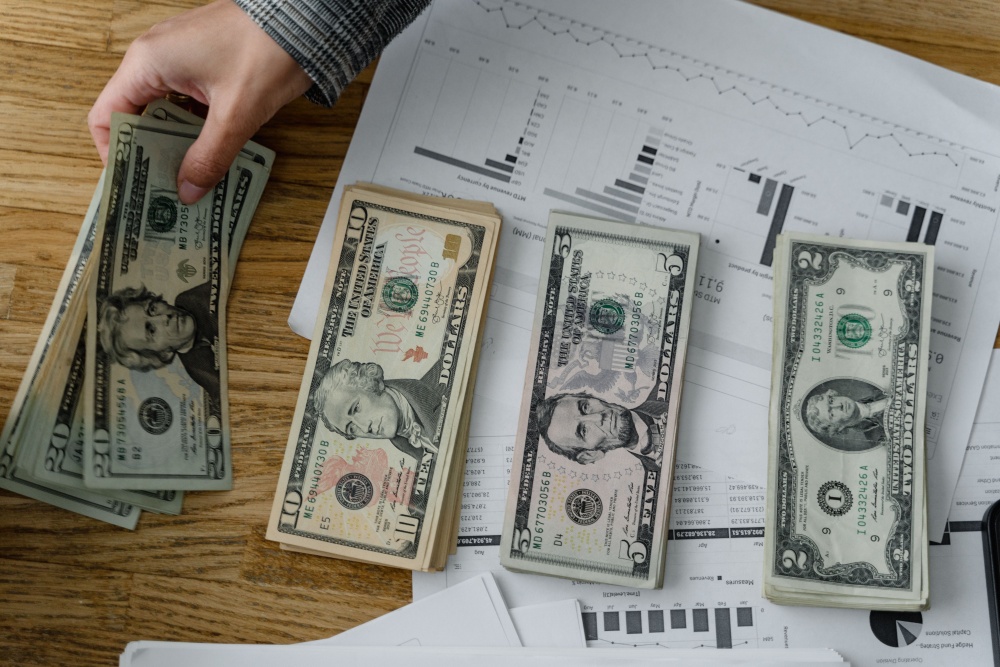
Pay Taxes Even If Your Country Sucks
It is frustrating to pay taxes when the government is inefficient and corrupt, but choosing not to pay punishes the poor and vulnerable, not the corrupt.
Corruption and inefficiency will not magically go away just because citizens refuse to contribute. In fact, the lack of funds may be used by the corrupt as an excuse to cut public services, which hurts everyone.
You see, without public services, there’d be no other option but to go to private schools, private hospitals, and private facilities, which cost more.
The better solution is to pay taxes and then demand transparency and accountability, or elect better leaders at all.