
Some national symbols of the Philippines are officially designated by law, others widely recognized through tradition, custom, or government practice.
They are taught in schools as part of social studies to help Filipinos understand their history, cultural roots, and struggles under foreign rule.
Let us discuss the major national symbols of the Philippines and the meaning behind each one, because each has a story and a purpose.
A Comprehensive List of the National Symbols of the Philippines
Below is a comprehensive list of the national symbols of the Philippines.
National Flag
The Philippine flag is perhaps the most recognizable national symbol.
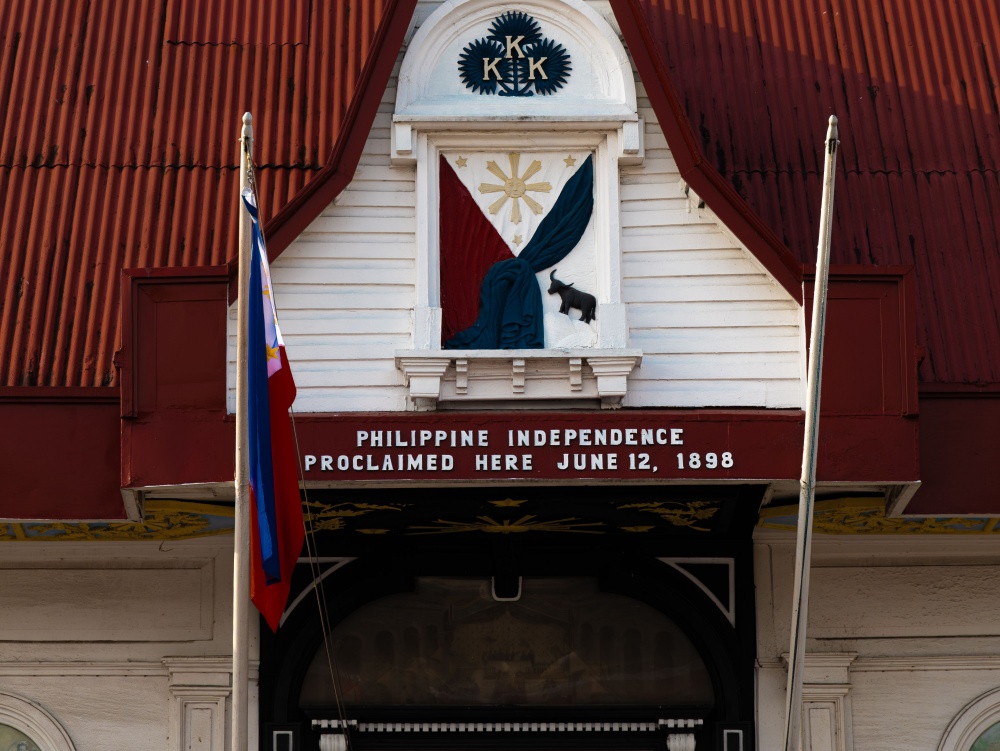
The design was created by Emilio Aguinaldo and first flown in 1898 in Kawit, Cavite, when independence was declared.
Every element of it has meaning. Let’s start with colors: blue means peace, truth, and justice, while red symbolizes patriotism and valor.
The white triangle represents equality and the Katipunan, which was the revolutionary group that fought against Spanish rule.
Inside the triangle is a golden sun with eight rays representing the first eight provinces that led the Philippine Revolution against Spain.
The eight provinces were Manila, Bulacan, Cavite, Pampanga, Nueva Ecija, Tarlac, Laguna, and Batangas.
The three stars stand for Luzon, Visayas, and Mindanao.
There is a right way to display, handle, and fold the Philippine flag, as written in the Flag and Heraldic Code. By default, the blue side must be on top.
However, its unique feature is that it can be reversed during wartime: If the country is at war, the red side is placed on top.
National Language: Filipino
Filipino is the national language of the Philippines. It is not meant to replace other local languages but to coexist with them.
It is based mainly on Tagalog, a language in Central Luzon, but has evolved to include words from other Philippine languages and foreign languages.
Its purpose as the national language is to give Filipinos a common way to communicate despite cultural and linguistic differences.
National Anthem: Lupang Hinirang
“Lupang Hinirang” began as an instrumental march called “Marcha Nacional Filipina,” composed by Julián Felipe in 1898.
The original music had no lyrics and was intended for the declaration of independence. The lyrics came later, written in Spanish by José Palma.
Over time, it underwent several translations, but the Filipino version used today is based on the official Filipino lyrics adopted in 1956.
It describes the Philippines as a beloved and sacred land, blessed with beauty and filled with memories of heroism.
According to law, when the anthem is played, people must stand straight, place their right hand over their chest, and sing with respect.
National Motto: “Maka-Diyos, Maka-tao, Makakalikasan, at Makabansa”
The Philippine national motto is “maka-Diyos, maka-tao, makakalikasan, at makabansa.” In English, “for God, people, nature, and country.”
Because the Philippines is deeply spiritual and is home to many beliefs, its citizens must be “maka-Diyos” and “maka-tao.” They must live with faith, respect other beliefs, and uphold moral values at all times.
“Makakalikasan” is about caring for the environment. There are many natural resources in the country, which must be protected.
If they fail to care for and preserve these resources, they are not fully living out the value of being “makabansa,” or for the country.
National Hero: José Rizal
José Rizal is widely recognized as the Philippine national hero, although no law officially declares him as such.
He was a writer, physician, and nationalist who authored Noli Me Tangere and El Filibusterismo, both influential novels that angered the Spaniards during his time, as he exposed their corruption and abuse.
The Rizal Law requires Philippine schools and universities to teach the life, works, and writings of José Rizal, particularly Noli Me Tangere and El Filibusterismo.
He was executed on December 30, 1896, at Bagumbayan, the site of present-day Rizal Park located in Ermita, Manila.
National Flower: Sampaguita
The sampaguita is a small, white, fragrant flower that is easy to grow in the Philippines’ warm climate and blooms throughout the year.
It became the national flower in 1934, during the American colonial period.
Many songs, poems, and stories portray it as a symbol of purity, love, and devotion. It is often worn during festivals, ceremonies, and celebrations.
National Tree: Narra
The Narra tree is strong and durable, found across the Philippines and has long been used in furniture, building materials, and traditional crafts.
It was chosen as the national tree because it represents resilience, stability, and long-lasting value, which are qualities admired in Filipino culture.
It grows tall and wide, lives for many years, and withstand storms and harsh conditions. The government protects it; cutting it requires special permission.
National Leaf: Anahaw
The anahaw is a fan-leaved palm tree native to the Philippines. Its plant grows in warm and humid areas, so it can be seen in many parts of the country.
It has long been used by Filipinos for practical purposes, including roofing, fans, trays, and decorations. But because it is broad and sturdy, it is also an ideal natural material for traditional houses in rural areas.
National Animal: Carabao
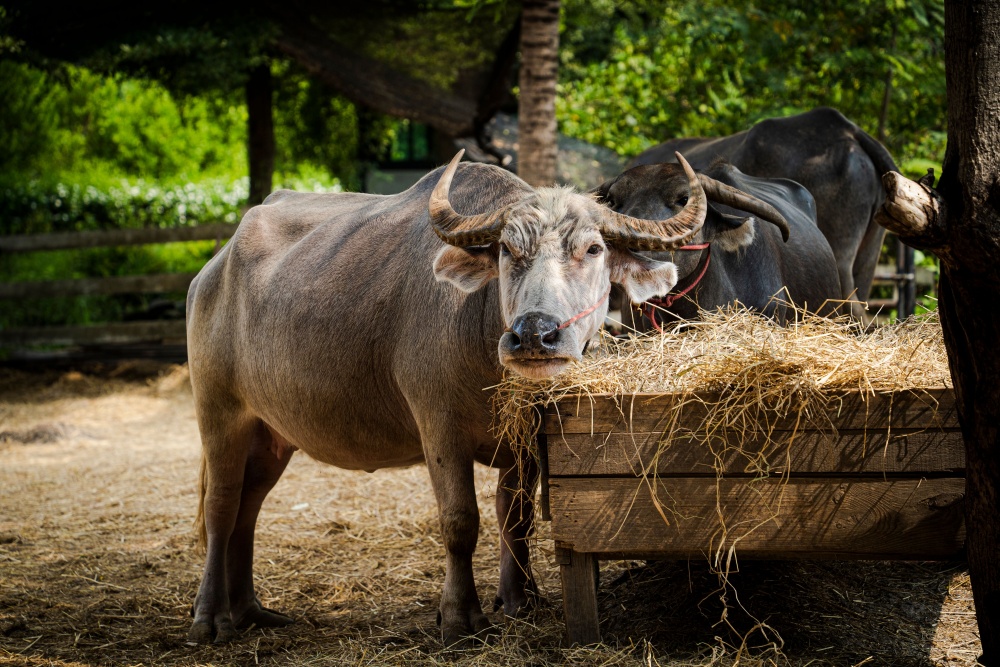
The carabao, or water buffalo, is a strong and hardworking animal that has helped Filipino farmers for generations.
It is widely regarded as the national animal for that reason: because of its long association with farming and rural life in the Philippines.
In rural areas, they have traditionally pulled plows and assisted farmers with heavy tasks. They also provide milk and meat, contributing to food supply.
National Bird: Philippine Eagle
The Philippine eagle is one of the rarest and strongest birds in the world. It is known for its large wingspan, sharp eyesight, and majestic appearance.
It lives only in the Philippines, mainly in the forests of Mindanao, Luzon, Samar, and Leyte. It was declared the national bird in 1995.
Unfortunately, the species is critically endangered due to habitat loss and illegal hunting. Conservation groups have worked for years to protect remaining populations, highlighting the need for environmental responsibility.
National Fish: Bangus
Bangus, or milkfish, is a popular fish in the Philippines known for its tender white meat (like milk) and being rich in protein and omega-3 fatty acids.
It became the national fish and is widely associated with Filipino cuisine because it is consumed and farmed throughout the country.
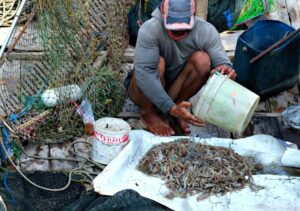
Bangus farming is a major source of livelihood for many coastal communities. It contributes greatly to the local economy through export and domestic sale.


National Gem: South Sea Pearl
The South Sea pearl, also known as the Philippine pearl, became the national gem in 1996, under the presidency of Fidel V. Ramos.
It is produced by the Pinctada maxima oyster found in the waters of Palawan and other coastal regions. It is large, smooth, and golden or creamy in color.
The South Sea pearl symbolizes the long-standing image of the Philippines as the “Pearl of the Orient Seas.”
It provides jobs in pearl farming, jewelry making, and related industries.
However, the industry works with strict environmental practices to protect marine ecosystems and ensure sustainable harvesting.
National Costume: Barong at Baro’t Saya
The barong and the baro’t saya are the national costumes of the Philippines.
The barong is made from lightweight fabrics usually embroidered and worn by men during formal events, including weddings and national celebrations.
Meanwhile, the baro’t saya is a traditional outfit for women, made up of a blouse (baro) and a skirt (saya) also worn during formal events.
National Sport: Arnis
Arnis, also known as Eskrima or Kali, is the national martial art and sport of the Philippines. It gained official recognition in 2009.
It is a martial art that uses sticks, blades, and empty-hand techniques, and has been practiced for centuries for self-defense.
From the beginning, it teaches both offense and defense. It is taught in many schools through the physical education program.
National House: Bahay Kubo
The bahay kubo is a traditional Filipino house found in rural areas. It is made from natural materials such as bamboo, nipa, and wood.
The structure is raised on stilts to protect against flooding and provide ventilation. And the design is efficient for the tropical climate, as its open windows allow air to flow, keeping the interior cool.
It is lightweight but sturdy and may have vegetable gardens.
There is a popular Filipino folk song called Bahay Kubo, which lists the vegetables traditionally grown around the house.
National Vehicle: Jeepney
The jeepney is the most iconic form of transportation in the Philippines. They were originally made from leftover military jeeps after the Second World War.
They usually have vibrant designs and long bodies, and can carry many passengers. For generations, they have been a common part of daily life for millions of Filipinos because fares are relatively affordable.
However, they face challenges today, including modernization programs and environmental concerns. Many older jeepneys are being replaced by newer and more environmentally friendly vehicles.
National Dish: Adobo
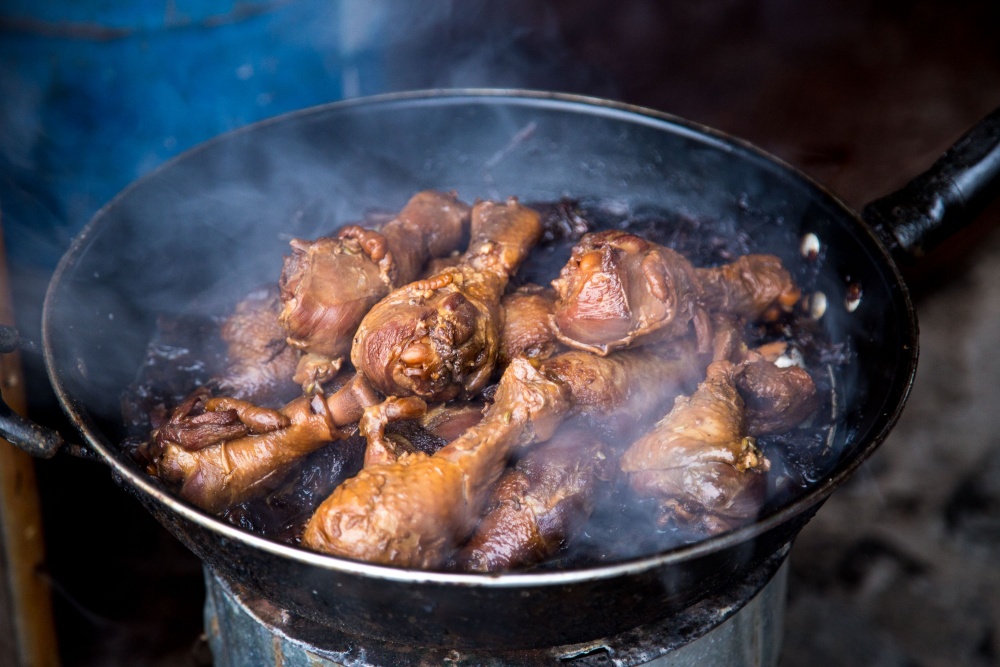
Adobo is a well-loved Filipino dish made by simmering meat, usually chicken or pork, in vinegar, soy sauce, garlic, and spices.
It is regarded as the unofficial national dish because it is enjoyed across the country by people of different regions and cultural backgrounds.
It is also one of the Filipino dishes most frequently recommended to visitors and featured in discussions of Philippine cuisine.
There are many regional and household variations, including versions with coconut milk, seafood, dry preparations, and saucier preparations.
Although recipes vary, vinegar is considered the defining ingredient; it can be stored longer due to the vinegar, which helps preserve the meat.
National Symbols Are Declared by Law, Tradition, or Public Recognition
Not all national symbols are created in the same way.
For example, the Philippine eagle and arnis were recognized through legislation. But others, like the sampaguita and the Narra tree, were chosen during earlier administrations and formalized in official proclamations.
There are also unofficial national symbols that gained recognition through popular culture and tradition, such as the jeepney, adobo, and bahay kubo.