
The rights of Filipino citizens are freedoms and protections guaranteed by the 1987 Constitution. They allow Filipinos to live safely, express themselves, practice their beliefs, and participate in national development.
Duties, on the other hand, are responsibilities that every citizen must fulfill to help the country function, maintain peace, and protect the welfare of all.
Rights and duties always go together. Rights must be exercised responsibly so that society becomes stable and fair.
Let us go through the most important rights every Filipino has, as well as the corresponding duties that come with them.
Fundamental Rights of Filipino Citizens
The rights of Filipino citizens are primarily found in the 1987 Constitution of the Philippines, especially in Article 3 or the Bill of Rights.
Right to Life, Liberty, and Property
The right to life, liberty, and property is the foundation of all other rights in the Philippines; the government must protect all life from unlawful harm.
No one can be killed, imprisoned, or restricted without a valid legal reason.
Citizens also have the right to own property, whether real or personal, subject to the limits imposed by law, and the government can’t just take those away without due process and just compensation.
In law, real property refers to land and things permanently attached to it, while personal property is movable, such as money, vehicles, and furniture.
If someone is arrested without a warrant, or if their property is seized without a court order or payment, their rights may have been violated.
Right to Privacy
No one can spy on Filipinos, open their messages, access their personal data, or enter their home without a lawful reason because of their right to privacy.
Privacy covers communication, family life, personal records, and even digital data, such as social media accounts and online transactions.
It prevents identity theft, harassment, and abuse, and also strengthens trust between citizens, the government, and even private institutions.
Right to Freedom of Religion
The right to freedom of religion means every Filipino is free to choose their faith, change their beliefs, or practice no religion at all.
There is a separation of church and state in the 1987 Constitution.
The government can’t force anyone to follow a certain religion, attend religious activities, or support religious institutions.
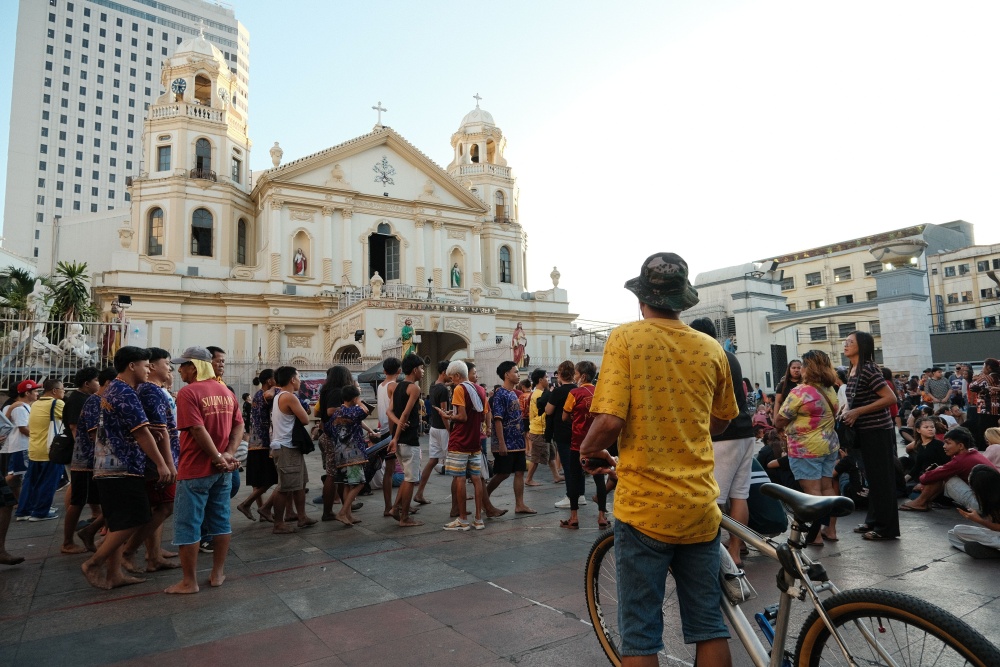
Right to Freedom of Expression
Filipino citizens must be allowed to speak their thoughts, share their opinions, criticize the government, discuss issues openly, and express themselves through art, writing, and media, because the Philippines is democratic.
However, this right doesn’t give anyone the license to harm reputations through false accusations or to promote hate speech.
Right to Vote
Voting is a way for every Filipino citizen of voting age to influence public policies, laws, and programs that affect everyday life.
It is both a right and a responsibility because ignoring it means giving up the opportunity to influence who will lead the country.
Right to Run for Public Office
Any Filipino can run for government positions, regardless of social class, gender, or background, if they meet legal requirements.
The rule just differs depending on if they are natural-born or naturalized.
The Philippines is a democratic country, so citizens can participate in government either by voting or by seeking public office themselves.
Right to Due Process of Law
The right to due process ensures that no one can be punished, arrested, or deprived of rights without following proper legal procedures.
If someone is accused of a crime, they are presumed innocent until proven guilty in court. They must also receive notice, a chance to defend themselves, access to a lawyer, and an impartial judgment.
This protects them from abuse of power, wrongful imprisonment, and unfair treatment. It limits the government’s ability to act without accountability.
Right to Information
When citizens understand how government agencies operate, they can hold officials accountable and participate in decision-making.
The right to information generally includes access to government records concerning budgets, projects, contracts, and official decisions.
However, this right has limits; information involving national security, confidential investigations, or personal data may not be disclosed.
Right to Petition the Government
The right to petition the government means citizens may formally request changes in laws, policies, or government actions.
They can complain about injustices, propose solutions, and ask for improvements in services in the form of letters, signed documents, online campaigns, or community appeals.
The government must listen to and consider these petitions, although it is not always required to grant them.
Right to Education
The right to education guarantees that every Filipino has access to learning opportunities, especially basic education, which is free and compulsory.
Higher education is not always free, but the government must make efforts to make it accessible through scholarships and financial assistance.
The Universal Access to Quality Tertiary Education Act provides free tuition and other school fees in state and eligible local universities and colleges in the Philippines.
Education equips citizens with knowledge and skills necessary for daily life, employment, and informed citizenship.
Without adequate education, they may find it difficult to make informed decisions and fully participate in society.
Right to Work
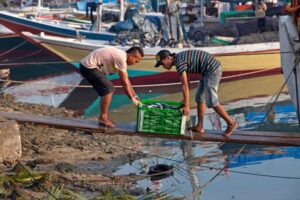
The right to work includes the right to choose a profession, work in safe conditions, and receive fair compensation.
Filipino workers must be protected from exploitation, discrimination, and unsafe environments. They also have the right to join labor unions, which help them negotiate for better wages, benefits, and working conditions.
The Department of Labor and Employment has a major role in this, as it enforces labor laws and protects workers’ rights.

Right to Health
The right to health doesn’t guarantee perfect health, but it ensures that all Filipinos have access to healthcare and the means to maintain their well-being.
Public hospitals, PhilHealth, and affordable or free health centers are among the programs and services through which the government fulfills this right.
Right to a Healthy Environment
Filipinos must live in surroundings that are clean, safe, and not harmful to their health. To achieve this, the government enforces environmental laws, regulates industries, and promotes sustainable development.
Right to Participate in Cultural Life
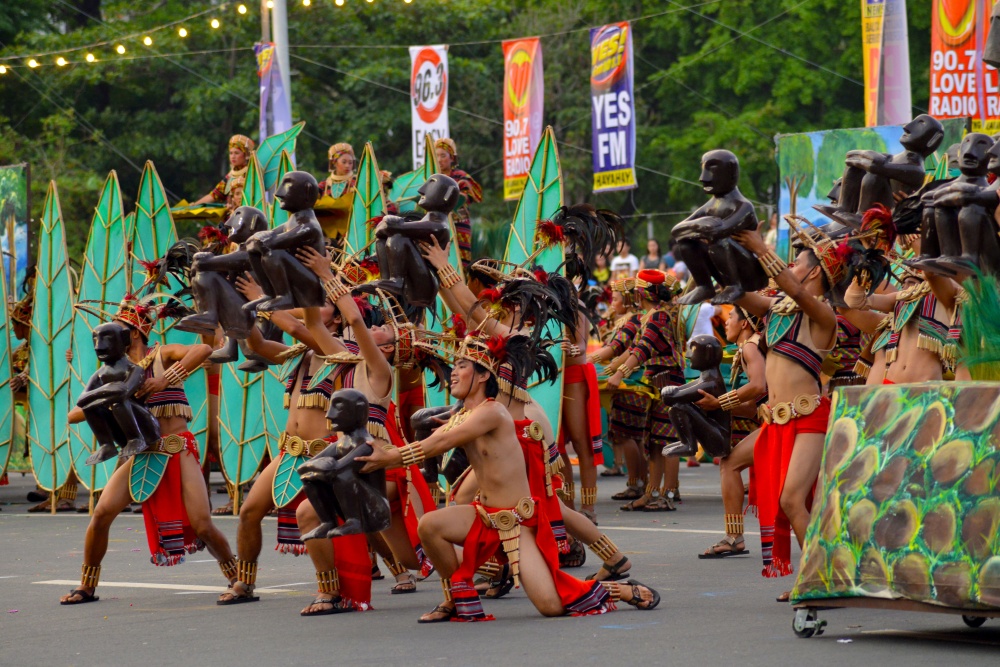
Filipinos have the freedom to celebrate festivals, practice family traditions, engage in creative arts, and contribute to cultural development.
Everyone should have access to cultural programs such as museums, libraries, theaters, and cultural celebrations, which is why the government funds and promotes cultural preservation and development.
Right to Self-determination
The last of the rights of Filipino citizens on this list is their right to self-determination. They have the freedom to shape their own future.
And, collectively, they have the power to change the direction of the Philippines through elections and participation in government.
This right is often discussed in relation to minority groups, such as indigenous communities, which are recognized by law as having rights over their ancestral lands, cultural traditions, and internal affairs.
Some Duties of Every Filipino Citizen
The duties of Filipino citizens, unlike rights, are not gathered in a single section of the 1987 Constitution. They are found in other sources as well, such as statutory laws, government regulations, and civic principles.
Respect the Rules Set by the Philippine Government
Laws, whether national or local, are designed to maintain peace, safety, and order within the Philippines.
Laws can come from the 1987 Constitution, statutes, legal codes, presidential decrees, executive orders, administrative regulations, local ordinances, and judicial decisions.
All citizens must follow these laws to create a safer and more orderly society in which everyone’s rights can be protected.
Respect the Rights of Others
Citizens must respect the rights of other people, including their freedom, property, beliefs, and personal choices.
Rights apply equally to everyone, so violating someone else’s rights weakens the system that protects your own.
Pay Taxes to Fund Government Programs
Taxes fund public services, such as schools, hospitals, roads, national defense, and disaster response. Without them, the government can’t function.
They help communities, especially poorer ones, gain access to education, public infrastructure, clean water systems, healthcare, and social programs.
Elect Responsible Leaders
Choosing responsible leaders during elections is one of the most important duties of citizens; voting wisely ensures that the country is led by people who are competent, honest, and committed to public service.
Registered voters should research candidates, understand their platforms, and assess their track records before casting their vote. They must not vote based on popularity or, err, how much money they receive, if any.
Contribute to Community Projects
Citizens have a duty to participate in community projects, as these activities help improve local areas and strengthen community bonds.
Communities that work together are more resilient. They can better survive disasters, recover from difficulties, and support one another in times of need.
Protect the Environment
Protecting the environment is linked to the right to a healthy environment.
Citizens must avoid littering, reduce waste, conserve water, and support eco-friendly practices. Although voluntary, they may also participate in tree-planting activities and report illegal environmental activities.
The environment sustains life, and people must protect it to live a better life.
Serve and Defend the Philippines When Needed
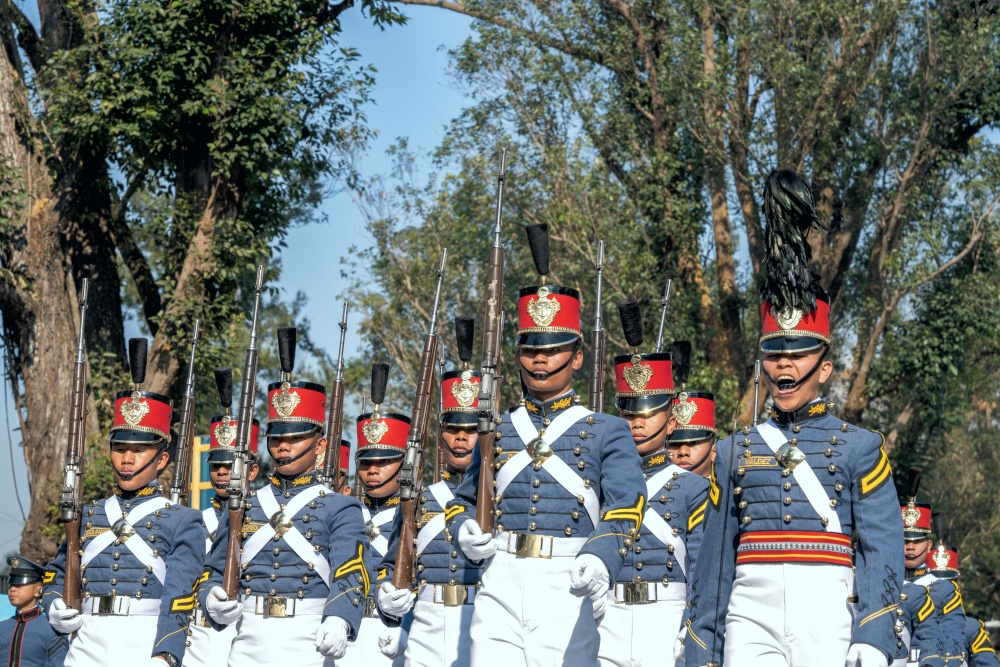
In times of war, citizens may be called to defend the country.
However, serving and defending the country doesn’t always mean joining the military; it can also mean supporting relief efforts, following government instructions during crises, or volunteering when needed.
This duty is for national security and survival.
Filipino Citizens Must Fulfill Their Duties to Enjoy Their Rights
Filipino citizens must fulfill their duties to enjoy their rights, and make the country peaceful for all. Rights and duties are inseparable.
Once they neglect duties, the systems that support rights will weaken. Duties are not punishments but necessary actions that help society function.