

Local government is the level of government that is closest to the people.
It exists to serve the everyday needs of communities and ensure that services reach citizens in their homes, schools, and workplaces.
Although the structure is different per country, its general purpose is to address local needs and serve as the first line of government support.
Let us dive deep into the scope and responsibilities of local governments.
Local Governments Operate Within Defined Territorial Boundaries
Local governments have clearly defined territorial boundaries that tell them where their power and responsibility begin and end.
Boundaries vary from country to country depending on government structure.
In the Philippines, there are provinces, cities, municipalities, and barangays. Other countries may use towns, counties, districts, or others.
Local Governments Are Autonomous, Not Independent
Local governments are autonomous, not independent.
They can implement programs and create ordinances for their own areas, but they are still bound by the constitution and national or state laws.
The national or state government oversees their activities to ensure they align with broader policies and goals.
In a unitary system, power is concentrated in a national government. In a federal system, it is shared between a national government and state or regional governments.
For example, while they can create ordinances on waste management, they can’t make laws on foreign trade, since that is typically a national concern.
In many countries, local governments also depend partly on funding from higher levels of government, which can limit their ability to act independently.

Main Responsibilities of Local Governments
Local governments exist to serve the people in practical, everyday ways.
Their responsibilities are clearly laid out in the law to ensure they provide order, security, and services to their communities.
Those include passing local ordinances or regulations, delivering social services, preparing for disasters, and maintaining peace and order.
Enact Local Ordinances and Resolutions
A major power of local governments is lawmaking at the community level. These laws, called ordinances or bylaws, are created by local councils.
Local laws address issues that may not be fully covered by national law, but they must always be consistent with higher laws.
Local councils also pass resolutions or formal expressions of policy, support, opinion, or requests for action on matters affecting the community.


Provide Social Services and Risk Reduction Programs
Local governments provide essential social services that improve the quality of life of their residents, including healthcare, education support, livelihood programs, housing, and assistance for vulnerable groups.
They are also in charge of disaster risk reduction programs, which are critical in countries prone to natural disasters.
Maintain Peace and Security in a Community
Communities can’t thrive if people feel unsafe in their own neighborhoods, so local governments work closely with the police and other security forces.
They also create local laws against petty crimes, regulate businesses that might cause disturbances, and, when authorized by law, implement curfews or other restrictions to protect public safety.
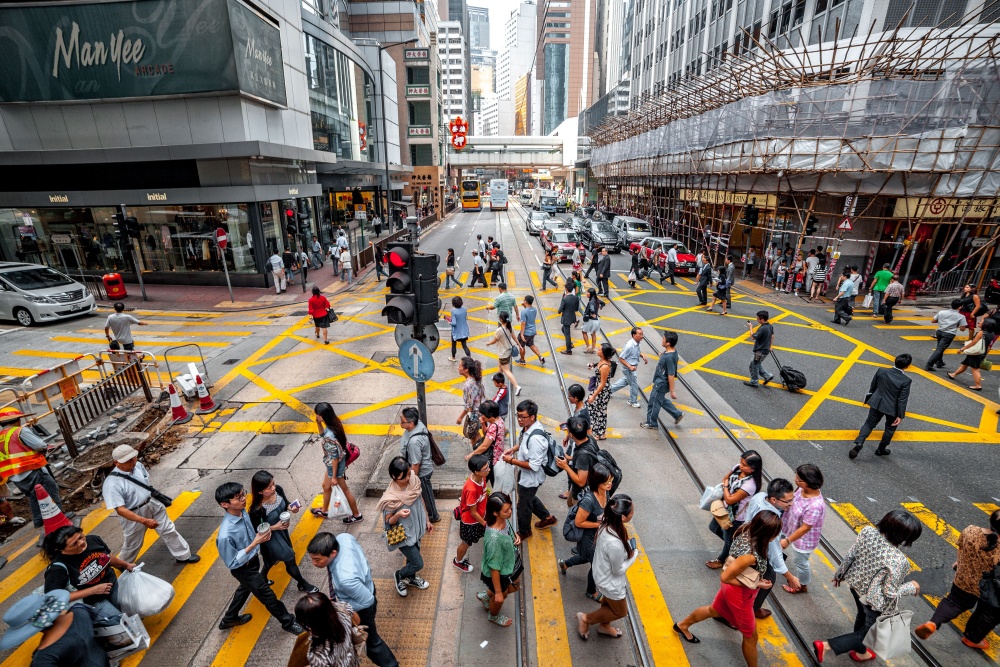
People in Different Locations Have Different Needs
While national or state governments create broad policies, laws, and programs, they can’t fully address the needs of every locality.
Not all communities are the same. A fishing town may have different priorities from a highly urbanized city. Mountainous regions also have challenges that differ from those of lowland farming areas.
Because of this, local governments exist to address local needs and provide services that are better suited to their communities.