
The Philippines is made up of thousands of islands, surrounded by water, exposed to storms, and rich in natural resources.
Its geography has influenced everything, and it also explains why Filipinos became skilled seafarers, why the country has diverse cultures, and why indigenous communities were able to survive.
Let us discuss the impact of geography on Philippine history.
The Philippine Archipelago Has 7,641 Islands
The Philippines was officially recognized as having 7,641 islands after the National Mapping and Resource Information Authority updated the country’s island count using improved mapping technology.
Southeast Asia
Long before Spain arrived, traders from China, India, Arabia, and nearby Southeast Asian communities were already visiting the Philippines.
It was located along major sea routes, so it was a natural meeting place for merchants and travelers. This strategic position eventually caught Spain’s attention during the Age of Exploration.
In 1565, Spain began colonizing the Philippines, starting in the Visayas. A few years later, the galleon trade connected Manila to Mexico.
Pacific Ring of Fire
The Philippines sits on the Pacific Ring of Fire, so earthquakes and volcanoes have always been part of Filipino life.
Tectonic activity created fertile soil, which encouraged early farming communities to settle in certain areas, and gave the country rich deposits of minerals that attracted traders and colonizers.
Typhoon Belt
The Philippines also lies in the Typhoon Belt, which explains why it experiences around 20 typhoons every single year. Farmers learned to adapt by timing their planting and harvest seasons carefully.
Typhoons also influenced the way Filipinos built their homes. The bahay kubo, for example, may be made of lightweight materials, but it is raised on stilts and designed to be easy to repair after a disaster.
Physical Characteristics of the Philippines
The physical characteristics of the Philippines influenced trade, settlement, and the development of its diverse ethnolinguistic groups.
Archipelagic
The Philippines is made up of thousands of islands separated by water, so communities were isolated from one another.
Consequently, different groups developed their own languages, traditions, and ways of life. And instead of forming one large kingdom, early Filipinos lived in many independent barangays, kingdoms, and sultanates.
Insular
Filipinos have always had a close relationship with the sea, as the Philippines is surrounded by major bodies of water, including the Pacific Ocean, the West Philippine Sea, and the Celebes Sea.
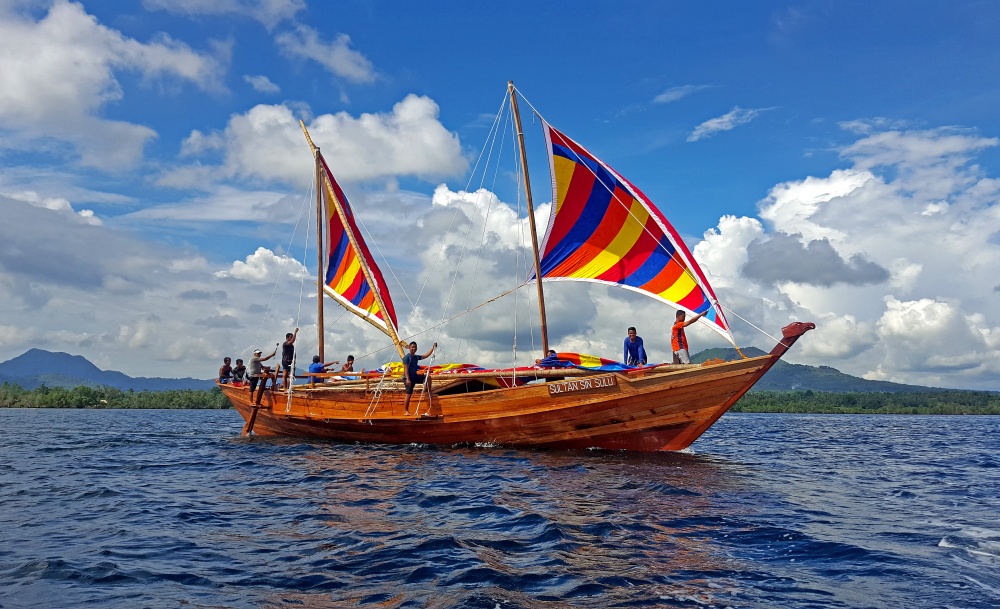
Early communities even built wooden boats called balangay, which allowed them to travel, settle new areas, and carry goods across the archipelago.
The barangay was named after the balangay because communities arrived, traveled, and settled together in these boats, forming the earliest political units in the Philippines.
In many ways, the sea acted like a network of highways connecting the islands; these connections helped turn the country into an important trading center linked to China, India, and other parts of Southeast Asia.
Tropical Climate
The Philippines lies in the tropics, giving it warm temperatures and plenty of rainfall throughout the year. This made farming easier for early Filipinos, who grew rice, coconuts, bananas, and many other crops.
The tropical climate also influenced the way they lived. For instance, the traditional Filipino house called the bahay kubo was made from bamboo and nipa, which allowed air to flow freely inside the house.
Fertile Volcanic Soil
The soil around volcanic areas is extremely fertile, so many early Filipino communities settled near them and grew rice, root crops, fruits, and vegetables in abundance. With more food available, populations grew.
During the Spanish colonial period, this fertile land made the Philippines valuable for plantation agriculture, leading to the establishment of large haciendas that produced sugar, tobacco, and abaca.
Impact of Geography on Philippine History
Learn about the impact of geography on Philippine history below.
Long Coastlines Made International Exchanges Easy
The Philippines has one of the longest coastlines in the world, so there were many natural ports where traders could dock.
People from China, India, Arabia, and nearby Southeast Asian societies exchanged goods, ideas, and customs with local communities.
When Spain arrived, it took advantage of these same coastlines and made Manila the center of the galleon trade. The Manila-Acapulco Galleon Trade connected Asia and the Americas for more than 250 years.
Mountains Created Diverse Ethnic Groups and Cultures
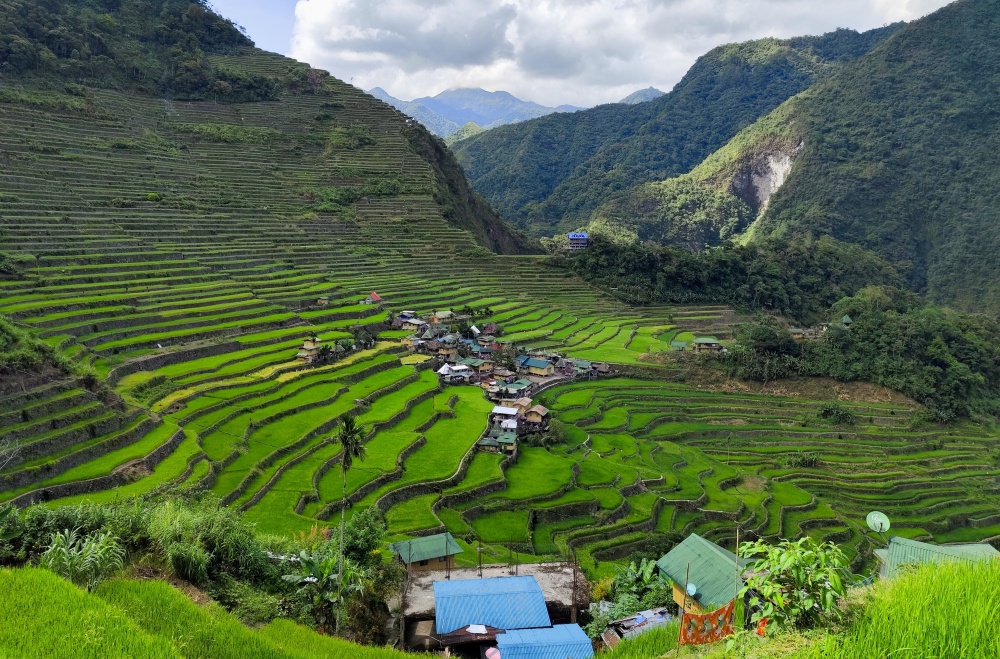
The mountains in the Philippines impacted the people who lived there. Because travel was difficult, many communities remained isolated from one another and developed their own languages, traditions, and ways of life.
The Cordillera mountains, for example, helped protect the Ifugao, Kalinga, and Bontoc from full Spanish control. Consequently, they were able to preserve their customs, social structures, and famous rice terraces.
In Mindanao, mountainous areas also provided protection for many Lumad communities and Muslim sultanates, allowing them to maintain their identities and resist outside rule for long periods.

Rich Natural Resources Drew Colonizers In
During the pre-colonial era, Chinese and Arab traders came to the Philippines for pearls, beeswax, and forest products.
When Spain arrived, they saw its economic potential. They established plantations, monopolized trade, and controlled its resources.
They implemented the encomienda system, the polo y servicios labor system, the tribute system, the reduccion policy (which resettled scattered communities into towns), and the tobacco monopoly, among others.
The Spaniards implemented many colonial policies to collect taxes, control labor and resources, spread Christianity, and strengthen their political control over the Philippines.
The United States and Japan were also interested in the Philippines partly because of its natural resources and location.
Being an Archipelago Made It Hard for Colonizers to Control All Regions at Once
Spain struggled to control the entire Philippines because the islands were scattered and separated by water. Travel between islands was slow and dangerous, especially during typhoons.
Many areas remained independent and developed their own systems of governance, including the Cordilleras and the Muslim sultanates in Mindanao, who fought back through the Moro Wars.
During the American period, many of these regions continued to resist. This geographic isolation helped indigenous communities preserve their identities.
Rugged Terrain Gave Revolutionaries Hiding Spots
The rugged terrain of the Philippines provided natural hiding places for Filipino revolutionaries; it allowed them to move quietly, store supplies, and set up camps away from colonial authorities.
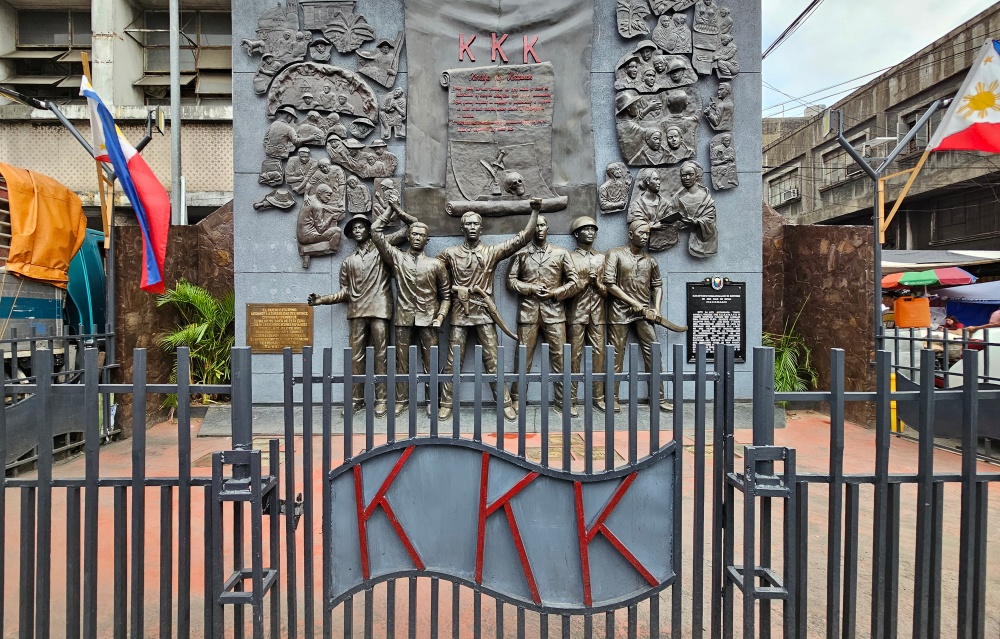
Members of the Katipunan used these areas to avoid capture and launch attacks against the Spanish authorities. Later, guerrilla fighters relied on the same terrain to resist American occupation.
When Japan occupied the Philippines during the Second World War, many guerrilla groups once again retreated to the mountains and jungles, making it difficult for Japanese forces to fully control the countryside.
The Philippines Has Underutilized Natural Resources
Despite having rich natural resources, the Philippines has not fully maximized them because of environmental, economic, and political factors.
Many resources are located in remote or mountainous areas, so extraction is difficult. The lack of technology, infrastructure, and investment also slows the development of mining, agriculture, and fisheries industries.
As a result, the country remains dependent on imports for some goods despite having the resources to produce more of them domestically.