A state is a political and legal entity that has people, land, a functioning government, and full authority over its own affairs.
These elements determine whether a country can truly operate independently and be recognized by the international community.
The 1933 Montevideo Convention is an international agreement stating that a state must have a permanent population, a defined territory, a government, and sovereignty.
In the case of the Philippines, it officially became a state only in the mid-20th century, after centuries of colonization and foreign control.
Before that, it existed as separate communities, kingdoms, and tribes, each with their own systems of leadership and laws.
Let us discuss how the Philippines became a recognized state by looking closely at the elements that make a state complete.
The Philippines Is an Archipelago That Is Considered a State
The Philippines is an archipelago made up of 7,641 islands. It is geographically fragmented, but it is still considered one unified state.
All islands, whether big or small, from Luzon down to Mindanao, operate under one national government and follow the 1987 Constitution.
Historically, barangays and sultanates acted independently.
When Spaniards came, the islands were merged into one colonial territory called “Las Islas Filipinas.” After Spain left, the Americans reorganized the islands under a centralized civilian government.
On July 4, 1946, it gained full independence and officially became a sovereign state. It has been functioning as one political unit since then.
What Are the Elements of a State That the Philippines Have?
The elements of a state are based on the 1933 Montevideo Convention; it defined a state as having population, territory, government, and sovereignty.
Population
A population refers to the people who live within a state. They don’t need to be of one race, religion, or language. What matters is that they live under the same authority and recognize the same government.
They participate in political, economic, and social systems; they pay taxes, participate in elections, work in the economy, and uphold the society and institutions that allow the government to function.
Territory
Territory is the defined geographical area where the state exercises authority; it can’t govern without knowing the area it controls.
It includes land, waters (internal and external), airspace, and other areas where it can legally enforce its laws and protect its sovereignty.
Government
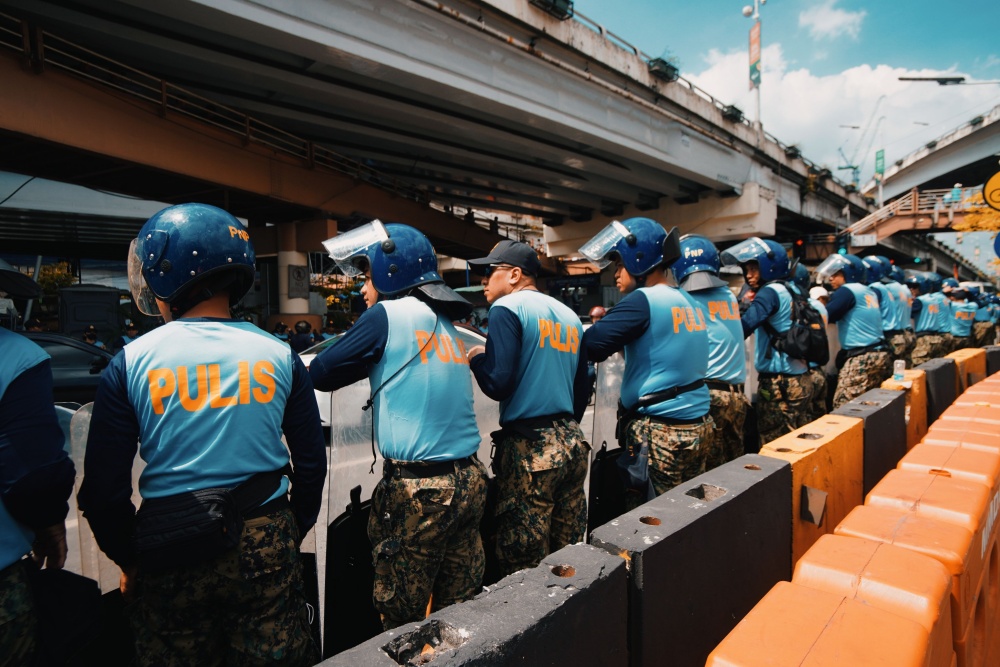
A government is the leadership and organizational system that creates laws, enforces policies, and manages the affairs of the state.
There are different types of government, each defined by who holds power and how decisions are made.
It organizes society, collects taxes, maintains peace, and interacts with other nations on behalf of its people. Without it, the population and territory would have no structure or authority to bind them together.

Sovereignty
Sovereignty means full and independent control over a state’s internal and external affairs. It has the ultimate authority to govern itself; other states can’t interfere with how the government manages its population and territory.
Internal sovereignty refers to the government’s power to enforce laws within its territory, while external sovereignty focuses on its freedom to interact with other states, maintain diplomatic relations, and enter treaties.
Recognition Is an Unofficial Element of a State
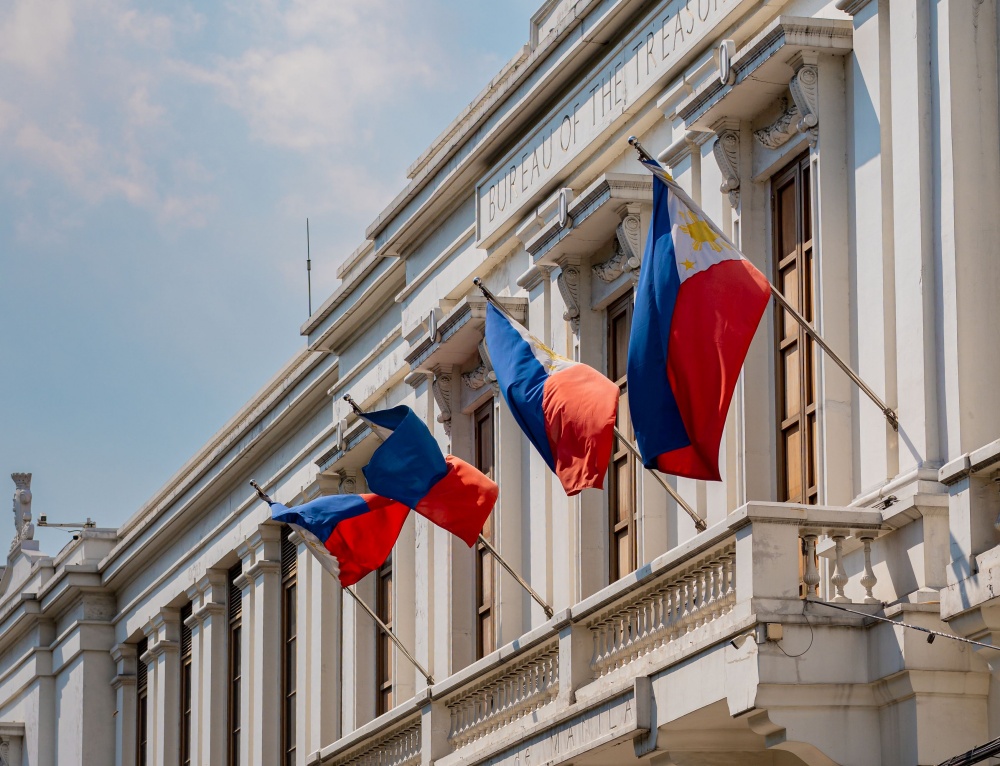
While recognition isn’t one of the elements of a state, it has a role in how a state functions in the global stage, so it is unofficially the fifth element.
Any state can exist without recognition, but it can’t fully engage in diplomacy, treaties, or international organizations unless other states acknowledge it.