
Governments exist to organize societies and maintain order, but not all countries are governed in the same way.
Around the world, different types of government have developed based on culture, history, and the needs of the people.
The type of government in place greatly affects daily life, including laws, rights, freedoms, and even the economy.
Let us explore the different types of government to understand why countries behave the way they do and why citizens in one country may have very different experiences from those in another.
Different Types of Government Across the World
There are many different types of government across the world, each has strengths and weaknesses. Learn more below.
Authoritarian
In authoritarian government, power is concentrated in the hands of a single leader or a small group that stays in power for many years, sometimes for life.
Citizens have limited freedom to participate in political decision-making. Free speech may be restricted, and the media may be controlled by the government.
Communist
Communism is a system where the government owns and controls most property, resources, and businesses.
In theory, it removes social classes, so there should be no rich or poor. The government decides how goods are produced and distributed.
Citizens usually work for the state, and profits go back to the community.
Sound fair, but in practice, many communist countries become authoritarian, with leaders holding tight control over politics and the economy.
Constitutional
A constitutional government is one where leaders must follow rules written in a constitution, which is a formal document that sets limits on government power and explains the rights of citizens.
No one, not even the highest leader, is above the law.
There is usually a balance of power between different branches, such as the executive, legislative, and judiciary, to prevent abuse of power.
But not all constitutional governments look the same.
Some are monarchies, where a king or queen exists but must follow the constitution, while others are republics or democracies.
Democracy
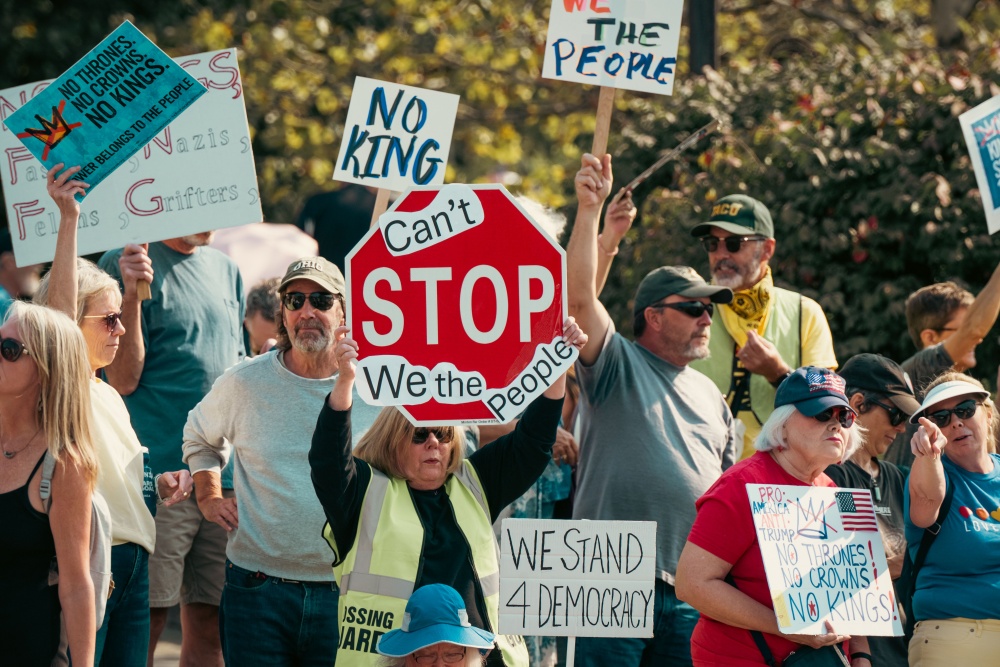
In a democracy, citizens have the power to choose their leaders through elections. The word comes from Greek, meaning “rule by the people.”
Democracy is the most widely used form of government today, although democracies vary greatly in quality and structure.
The government is accountable to the citizens, and leaders can be removed through elections or other constitutional processes if they fail to serve well.
This has two main types: direct and representative.
In direct democracy, citizens vote directly on policies. In representative democracy, they elect officials who make decisions on their behalf.
Federal
A federal government divides power between a central government and smaller regional governments, such as states or provinces.
Each level of government has its own responsibilities. For example, in the United States, the federal government handles national defense and foreign affairs, while individual states manage education and local laws.
This system allows local governments to make decisions that best fit the needs of their communities while still being part of a larger country.
Unitary
Local governments in a unitary state have less autonomy than those in a federal system and generally operate under the central government.
This can make decision-making faster and policies more uniform across the country, although it may sometimes overlook regional differences.
Many countries use unitary systems because they can be simpler to administer. Examples include France, Japan, and the Philippines.
Unitary governments can be democratic, authoritarian, or somewhere in between, depending on how political power is exercised.
Military Junta
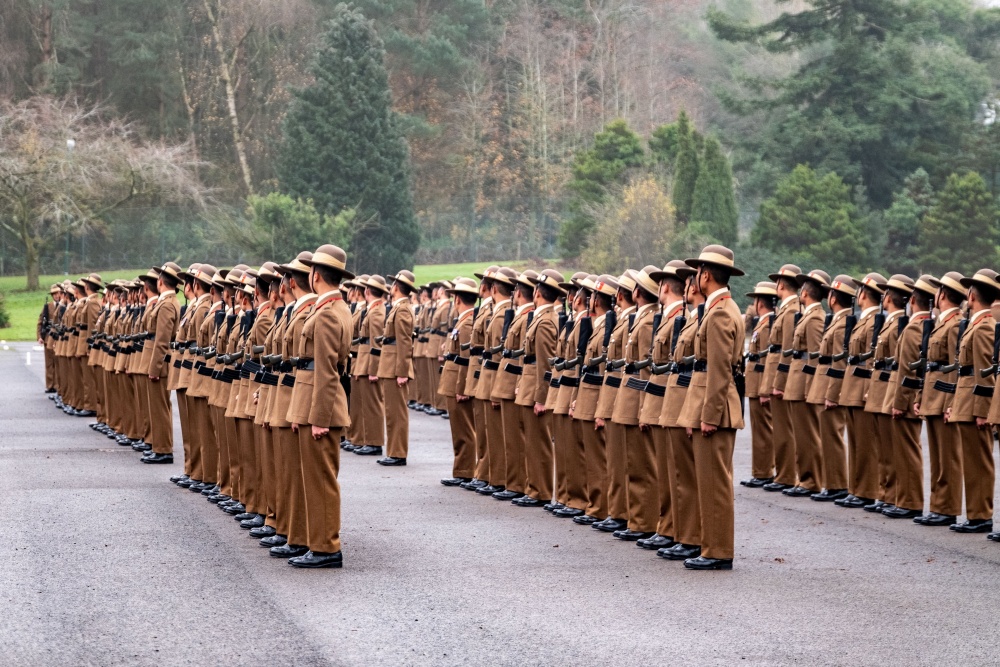
A military junta is a government led by the armed forces.
Generals or high-ranking officers take control of the country, usually after overthrowing the previous government.
Once in power, they run the government like they would a military unit: with strict rules, limited freedoms, and strong discipline.
The economy may face challenges if military leaders lack experience in managing civilian institutions and economic policy.
Monarchy
A monarchy is an old form of government where a king, queen, or emperor rules a country. Power is usually passed down through family lines.
It can be absolute or constitutional. In an absolute monarchy, the monarch has almost unlimited power and can create laws without approval; in a constitutional monarchy, power is limited by a constitution or parliament.
Parliamentary
A parliamentary government is a system where the executive branch (the prime minister and cabinet) is chosen from the legislature (parliament).
If parliament loses confidence in the prime minister, they can call for a vote of no confidence and choose a replacement without waiting for the next election.
Citizens vote for members of parliament, and the party or coalition with the most seats usually forms the government.
As a result, the executive and legislative branches are closely connected.
Presidential
In a presidential type of government, the president is both the head of state and the head of government, and leads the executive branch.
Unlike in parliamentary, the president doesn’t come from the legislature but is elected separately and can’t be easily removed unless through impeachment.
Impeachment is the formal process of charging a high government official with serious misconduct, which can lead to their removal from office if found guilty.
The United States is the most well-known example of a presidential system, but many countries in Latin America and Africa also use it.
Republic
A republic is a form of government where power belongs to the citizens and is exercised through elected representatives, rather than a king or monarch.
It often overlaps with democracy, but not all republics are fully democratic.
The important feature is that the country is considered a “public matter” (from the Latin “res publica”), where leaders are accountable to people.
Sultanate
A sultanate is a government ruled by a sultan, a title used in Islamic countries.
Like monarchs, sultans usually inherit their position, and their power may be absolute or limited depending on the country’s laws.
Traditionally, they held both political and religious authority, serving as leaders of the state while also playing an important role in Islamic affairs.
Theocratic
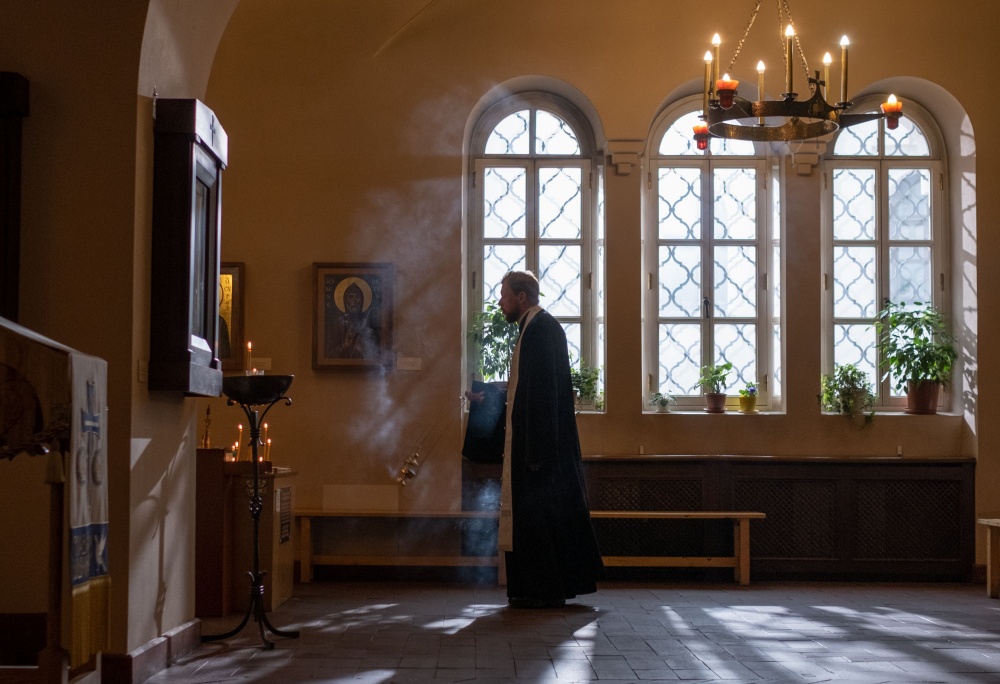
A theocratic government is one where religious leaders control political power, and laws are based on religious teachings.
Religion and government are not separate, and citizens are expected to follow the faith of the state, with limited freedom to practice other religions.
Theocracy is not exclusive to Islam; throughout history, governments based on various religions, including Christianity, Judaism, and others, have also exercised political authority through religious institutions.
Many Types Can Exist in One Government
Not all governments fit neatly into one category because the societies they govern are complex. Many countries combine features of different systems.
For instance, the United Kingdom is both a parliamentary system and a constitutional monarchy. China also mixes communism with elements of capitalism in its economy.
Cultural traditions, historical events, and economic needs all affect how a government develops, operates, and evolves over time.