What does the Philippine government do? Whether people notice it or not, it plays many roles that affect the daily lives of Filipinos.
From the moment children are born to the time they grow old, the government provides them services and protect their rights.
Generally, it maintains peace, ensures laws are followed, supports families, helps the poor, builds infrastructure, and more.
It creates order. Without it, the Philippines would be anarchic.
The Philippine Government Serves and Protects Filipinos
The Philippine government exists mainly to serve and protect its citizens, as written in the 1987 Constitution.
It sets rules that guide behavior in society and provides basic services, such as education, healthcare, transportation, security, and public utilities.
These services help Filipinos live safer, healthier, and more productive lives.
Maintains Order and Security
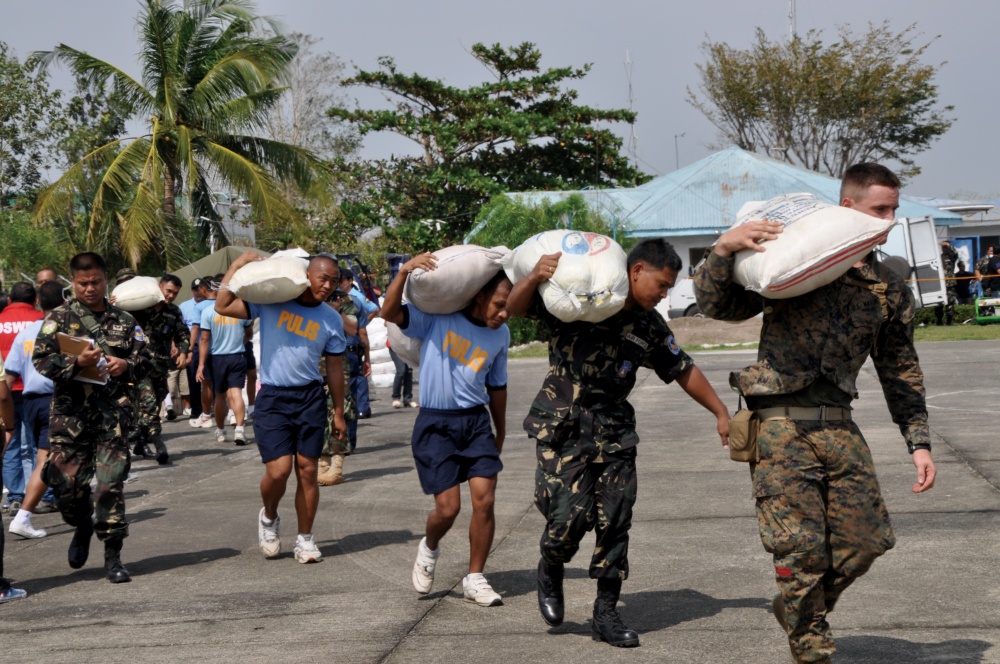
The Philippines has two institutions that maintain order and security: the Philippine National Police and the Armed Forces of the Philippines.
The Philippine National Police enforces laws, prevents crime, protects citizens, and responds to emergencies within the country.
On the other hand, the Armed Forces of the Philippines secures the borders and defends the country from external threats.
The Philippine Navy, Philippine Army, and Philippine Air Force are all part of the Armed Forces of the Philippines.
Local governments also help maintain peace by organizing barangay tanods and barangay peace and order councils at the community level.
Promotes Public Welfare
The Philippine government offers programs and services that address basic needs through different executive agencies.
For instance, the Department of Social Welfare and Development assist poor families, victims of violence, elderly citizens, and persons with disabilities.
Additionally, the Department of Health provides vaccinations, health centers, and disease prevention programs at little to no cost.
Public schools supported by the Department of Education also give children access to free learning materials and teachers. Likewise, free education is provided for college students at state universities and colleges.
All these efforts try to uplift Filipino communities and reduce poverty.
Protects Rights and Freedoms
The 1987 Constitution gives Filipinos basic rights, which the government protects by making laws and creating institutions that prevent abuse.
Several institutions have a role here, including the Commission on Human Rights, the Ombudsman, and the judicial courts.
Represents the Philippines and Filipinos
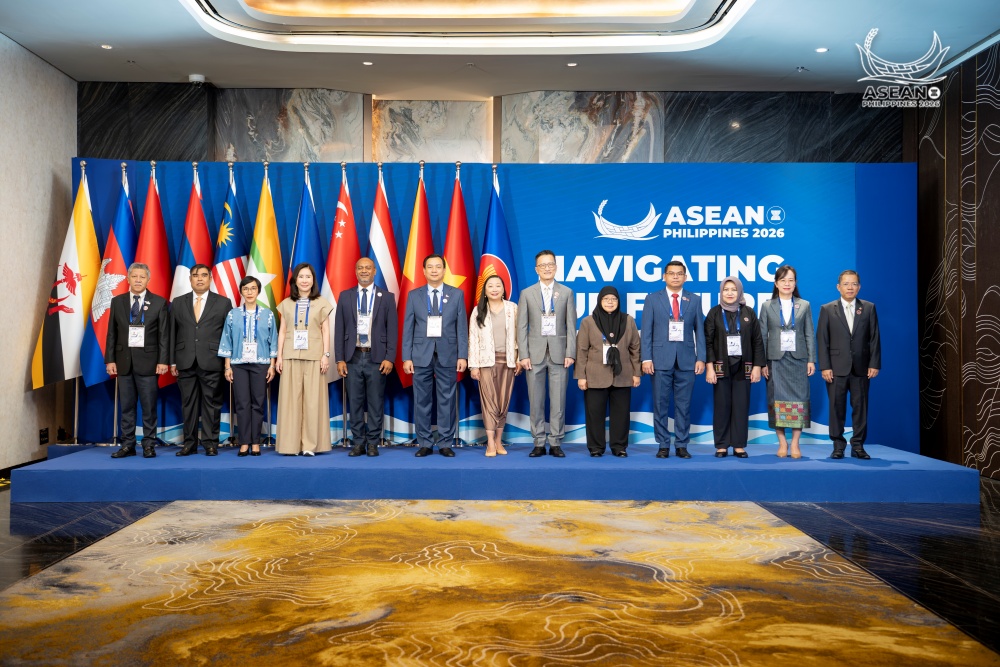
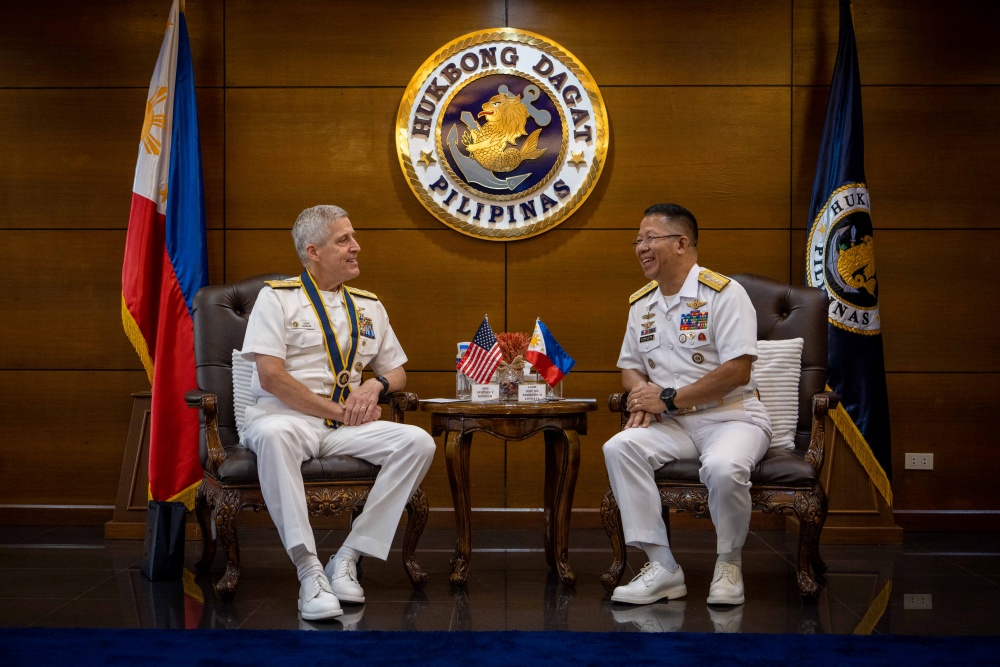
The Philippine government represents the country in the international community. It builds relationships with other nations, signs international agreements, and participates in global organizations.
These actions strengthen the economy, improve security, and open opportunities for Filipinos, such as jobs, education, and travel.
Some Services and Programs by the Philippine Government
The Philippine government implements many programs to support the citizens, especially those who need help the most.
These programs reach millions of Filipinos each year through national agencies, local governments, and partner organizations.
Pantawid Pamilyang Pilipino Program (4Ps)
The 4Ps program is a national government effort to help poor households meet basic needs and invest in their children’s future. Families who qualify receive cash grants every month if they follow certain conditions.
Health Insurance with PhilHealth
PhilHealth provides health insurance so that Filipinos can access medical services without facing overwhelming expenses.
Coverage includes special benefit packages for maternal care, newborn care, tuberculosis treatment, and other critical health needs.
Members pay monthly contributions, but the government also subsidizes contributions for the poor, senior citizens, and other vulnerable groups.
Free Healthcare in Select Health Centers
The Philippine government offers free healthcare in barangay health centers, rural health units, and public hospitals with the help of local governments.
These facilities provide vaccinations, consultation, prenatal check-ups, basic medications, first-aid services, and even dental care.
Free Education From Elementary Through College
Education is one of the biggest government services in the Philippines; in fact, it typically receives the highest budget allocation.
Children can study in public schools without paying tuition. In college, the government also offers free tuition in state universities and colleges under the Universal Access to Quality Tertiary Education Act.
TESDA Vocational Training Programs
TESDA provides vocational training for Filipinos who want to learn skills, mostly trades and technical work, for employment or business.
TESDA is under the Department of Labor and Employment as the government agency in charge of technical‑vocational education and skills development.
The training is usually short-term but intensive, and there are assessments to complete and certifications after completion.
Some training centers even offer employment matching after graduation.
Affordable Pag-IBIG Housing Loans
Pag-IBIG helps Filipinos secure affordable housing by offering long-term, low-interest loans; it makes home ownership more achievable.
Members can borrow money to buy a house, condominium, or lot, or to build and improve their own home. Developers can also partner with it to build socialized housing projects for low-income families.
Aside from housing loans, it also offers a savings program that earns higher interest compared to regular bank savings accounts.
Disaster Risk Reduction Programs
The Philippines is one of the most disaster-prone countries in the world, so the government prioritizes disaster risk reduction to reduce loss of life.
The National Disaster Risk Reduction and Management Council is the main agency that coordinates disaster preparedness, early warnings, evacuation plans, and rescue operations in the country.
Local governments also create disaster risk reduction offices that monitor weather updates, prepare evacuation centers, train responders, and educate citizens on safety measures.
Infrastructure Programs
Infrastructure programs are large-scale projects that build the structures a country needs to function, which include roads, bridges, ports, railways, schools, hospitals, transportation systems, and digital networks.
The government invests heavily in them to improve mobility, create jobs, attract investors, make businesses more efficient.
The Philippine Government Programs Cover the Basic Needs of Filipinos
Overall, the programs of the Philippine government are designed to cover the basic needs of all Filipinos, no matter their age: food, shelter, healthcare, education, livelihood, and protection.
“Basic needs,” because society can’t survive without them. The government is not responsible for the luxury many people want.