Oligarchy is a form of government where power lies in the hands of a few, who come from the same social, economic, or professional background.
They usually act based on personal interests; they use their influence to control laws, policies, and national direction.
There is no country that is officially an oligarchy, but oligarchs show up in different government systems. Oligarchs, according to Plato, are driven by greed, status, and personal gain, which are ego‑centered motivations.
When the ego rules, decisions are made not for the people, but for those at the top. The results are inequality, corruption, and loss of public trust.
Oligarchy Is the Rule of the Self-serving Few
In an oligarchy, a small number of people, often called “elites,” have power over the majority. But they look out for themselves, not the public.
They may control the economy, the government, or the media; they pass laws and make policies that protect their own wealth, influence, or beliefs.
The people at the bottom have little to say in how things are run. This creates a cycle where the powerful remain powerful and the rest remain powerless.
Oligarchy Is the Corrupt Version of Aristocracy
Aristocracy is the rule by the best. It is when the most capable and virtuous people lead. When it becomes selfish and corrupt, it turns into oligarchy.
It was Aristotle who said that aristocracy turns into oligarchy when the ruling few stop serving the common good and begin ruling only for their own wealth and advantage.
In oligarchy, the country is ruled by those with the most money, family ties, or social connections, regardless of skill or morals.
The oligarchs may once have been respected leaders but now use their power to serve themselves; they surround themselves with yes-men.
They may still call themselves “public servants,” but they engage in bribery, cheat in elections, twist laws, hoard resources, steal from public funds, silence critics, and think they are all-powerful.
Oligarchy Can Exist in Any Form of Government
Oligarchies can exist within democracies, monarchies, theocracies, and dictatorships. It doesn’t matter what the system is called; if a few elites hold most of the power and act only for themselves, it is oligarchy.
When Wealthy Elites Fund Campaigns or Own Media
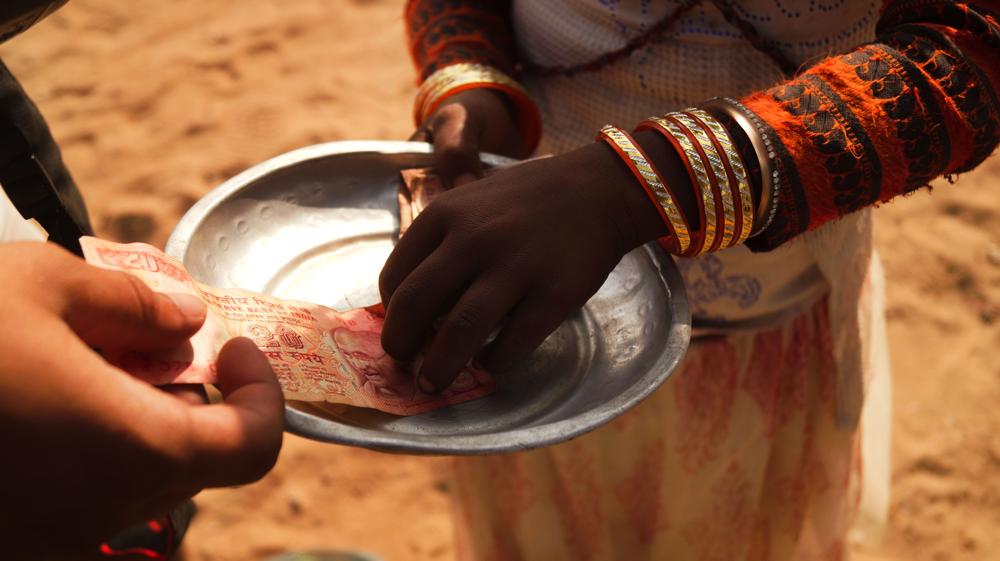
When wealthy elites donate millions to political campaigns, they gain direct access to politicians, who may have lawmaking powers.
If they own media outlets, they can control what news appears on TV and the internet; they can shape public opinion, as well as attack their opponents, hide their own wrongdoings, or hide the wrongdoings of their “friends.”
When Noble Families Dominate Decisions
Often, powerful families have ruled for generations; they pass down influence like inheritance, through bloodlines, businesses, or political dynasties.
A political dynasty is a family that holds power across multiple generations, with relatives repeatedly winning elected positions.
Because they have been powerful for so long, they have deep connections in the government, military, religion, and all the sectors that exist.
And they use these connections to get what they want.
When Religious Elites Form a Ruling Class
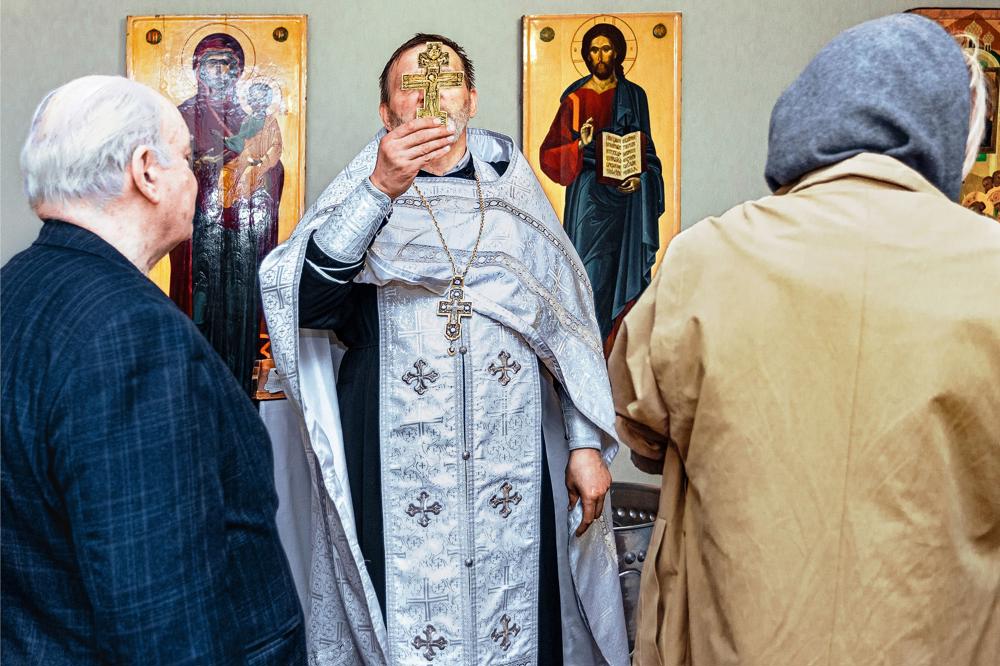
In some places, religious leaders or institutions hold enormous power in politics; their power can be so strong that even presidents consult them before making decisions, as they are expected to know “right” and “wrong.”
But when only one group interprets what is “right” and “wrong” and enforces that through political power, society becomes less free and more divided.
When Corporate Elites Monopolize Decision-making
Sometimes, a country is ruled not by kings or priests, but by “experts” or corporate leaders with advanced degrees, technical knowledge, or top positions in industries, like tech, finance, or pharmaceuticals.
They speak in complex terms that only they understand, which leaves the public feeling shut out of the decisions that affect them.
Also, when corporate elites dominate policymaking, decisions may be made with profit in mind, not people. Healthcare may become more expensive, workers may get fewer rights, and the environment may suffer.
Some Countries Ruled by Oligarchs
Oligarchs today may be economic, political, religious, or military leaders, operating behind democratic-looking systems.
Below are some countries that are not oligarchy but ruled by oligarchs.
Russia
After the fall of the Soviet Union, Russia privatized major state industries; a small group of businessmen gained control over some.
These businessmen have close ties to the government, especially under Vladimir Putin, who became president in 2000.
In return for loyalty, they receive contracts, legal protection, and access to more resources. Critics and rivals are jailed, silenced, or even killed.

China
China is ruled by the Chinese Communist Party, but the top leaders come from elite families or party connections; many of them control state-owned businesses or influence private ones.
The government restricts free speech, suppresses dissent, and controls the internet, which are all tools to maintain power.
Iran
Iran is ruled by religious and political elites.
At the top is the Supreme Leader; below him is a network of clerics, military leaders, and wealthy insiders, who make big decisions, including who can run for office. Elections happen, but only pre-approved candidates can win.
In Iran, candidates must be vetted and approved by the Guardian Council, a body heavily influenced by the Supreme Leader.
The economy is also controlled by religious foundations and the Revolutionary Guard, both of which dominate industries and land ownership.
Turkey
Under President Recep Tayyip Erdoğan, the Turkish government has cracked down on journalists, activists, and political opponents.
Wealthy business allies of the government receive contracts and favors, while critics are pushed out; the media is mostly pro-government.
Philippines
In the Philippines, powerful families have dominated politics and business for generations. The same names appear on the ballot.
These political dynasties use their wealth and influence to win elections and control legislation. Democracy exists, but its quality is weakened by elite dominance and limited political competition.
A proposed anti-political dynasty bill is being discussed in Congress and has reached the final reading, but will it become a law?
Saudi Arabia
Saudi Arabia is an absolute monarchy ruled by the royal family, who controls most of the country’s wealth and resources.
Political power is concentrated in the House of Saud.
Even with all the recent reforms, they haven’t really changed who holds power; the monarchy is still in control. Religious and tribal leaders have influence, but they are loyal to the royal family.
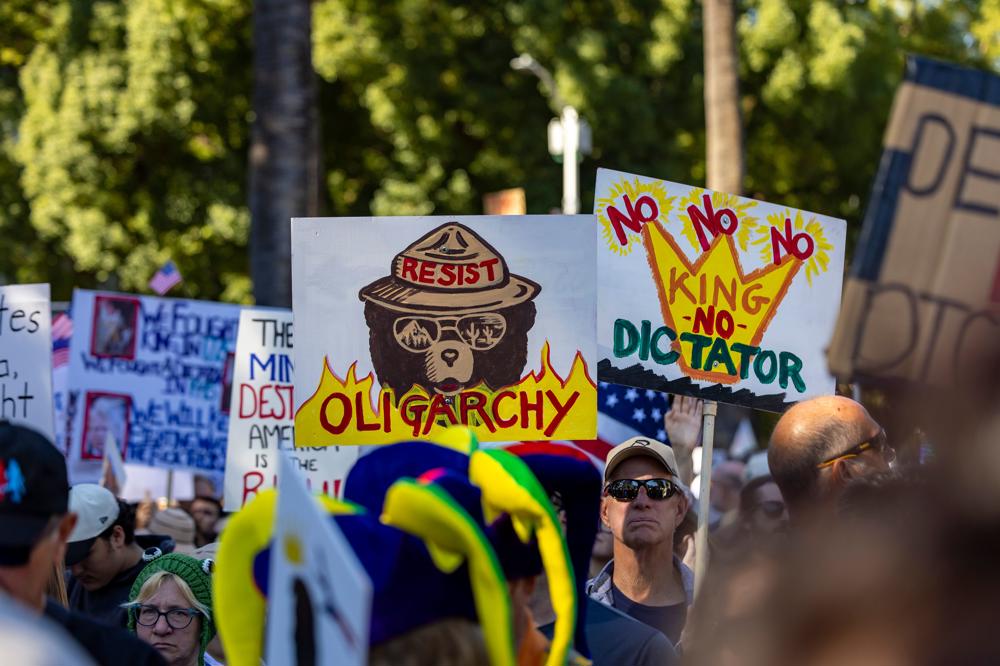
No Countries Today Are Pure Oligarchy
There is no country today that is officially or purely oligarchic, but many have strong oligarchic elements; money and connections will always have influence over political decisions, regardless of the type of government.