


Social stratification is the way society organizes people into different layers or levels based on certain factors.
It exists in every society, whether modern or traditional, and it influences how people live, what opportunities they get, and how others view them.
It can involve education, occupation, ethnicity, gender, or religion.
At the same time, social expectations about gender or race can also push some into lower positions regardless of their abilities.
To better understand why inequality persists, we must first understand the role of social stratification in society.
Social Stratification Ranks People Based on Certain Factors
Social stratification is a system that ranks people and groups in society based on wealth, power, status, or other social factors.
Society Is Divided Into Levels
In most societies, people are not treated equally.
They are grouped into levels, typically described as “upper,” “middle,” and “lower” groups, which reflect the types of resources they can access.
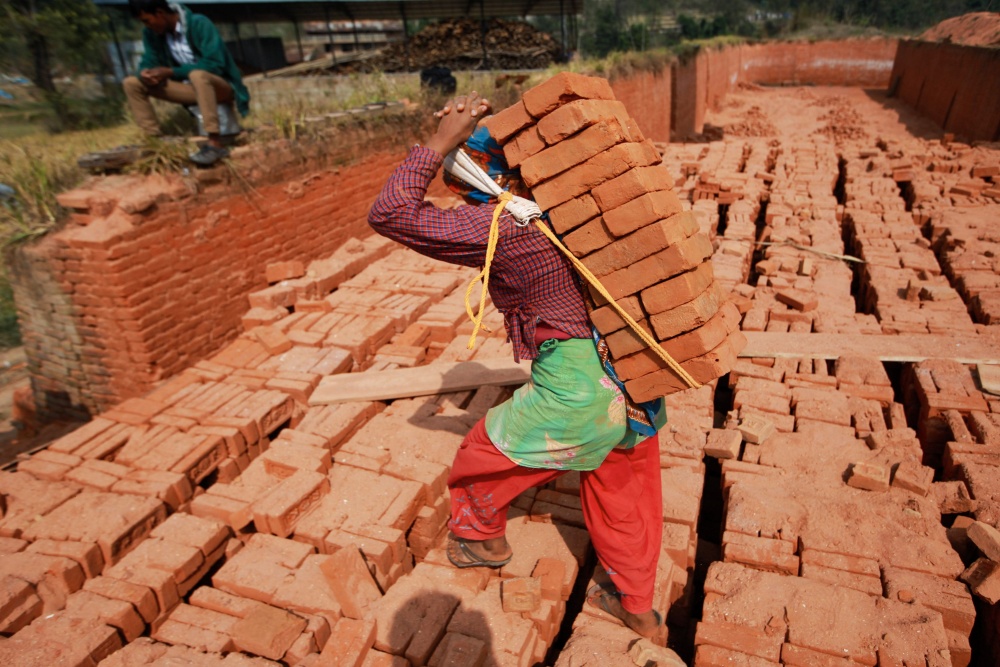
Those at the top enjoy more privileges; those at the bottom struggle to meet even the basic needs because they lack wealth, power, or education.
However, the levels can also be based on prestige and respect.
A teacher may not be as wealthy as a businessman, but they can still hold a highly respected position in society.
Stratification Tends to Be Generational
The social level of parents usually influences the social level of their children.
For instance, a child born into a wealthy family is more likely to stay wealthy because they inherit money, connections, and quality education.
Nepotism is the practice of giving jobs, promotions, or other advantages to relatives based on family ties rather than merit.
Social stratification creates a cycle of advantage and disadvantage that keeps society unequal across generations. This is why social mobility, or the ability to move up or down the social ladder, is so difficult.
Certain Factors That Determine Ranks in Social Stratification
There are certain factors that determine ranks in social stratification.
Family
The family a person is born into influences the opportunities available to them even before they make their own choices.
Being born into a family with limited resources or a negative social reputation can create disadvantages, unfortunately.

Economic Status
Economic status, or how much wealth and income a person has, is one of the most obvious factors in social stratification.
It is the most visible sign of status in capitalist societies.
Those with high income or great wealth belong to the upper class, and they have better access to education, housing, healthcare, and even safety.
Lower-income individuals or those in poverty may rely more heavily on public schools, public hospitals, and other government services because private alternatives may be too expensive.
Education
A person with higher education may be respected more and have access to better job opportunities because education provides knowledge, skills, qualifications, and professional connections that employers value.
Occupation
Occupation is linked to prestige and respect.
It also influences lifestyle and social networks, since people usually interact with others who have similar educational, professional, or social backgrounds.
Think of doctors, engineers, and lawyers; they are associated with high social status because they require specialized skills, education, and training.
Ethnicity
In societies with diverse ethnic groups, majorities have greater social, political, or economic advantages, while minorities may be excluded or discriminated against, even if they are highly educated.
Gender
Gender is another important factor that can influence social status.
In many societies, men have traditionally held more power, higher-paying jobs, and more leadership positions.
Women have faced barriers in education, employment, and political participation. Even when they achieve the same level of education or skills as men, they may still experience unequal treatment.
Religion
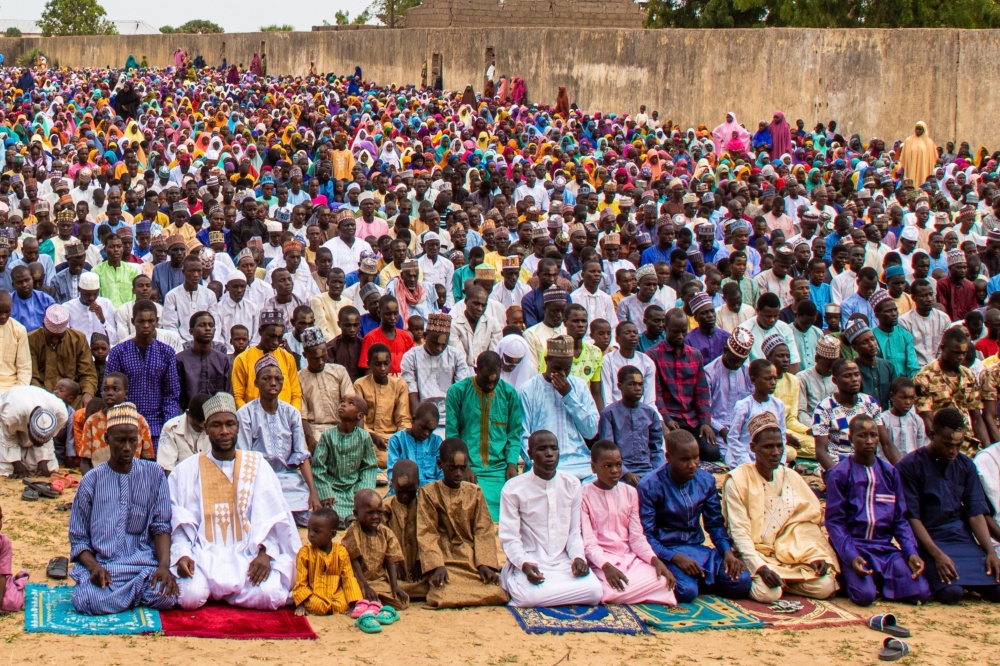
Religious affiliation can influence how respected a person is, as religious leaders hold high prestige and social influence within their communities.
In countries where one religion dominates, members of minority religions may have fewer opportunities in education, employment, or politics.
Common Stratification Systems Across the World
Social stratification exists in different forms around the world.
Class System
The class system is the most common form of stratification. It divides people into groups based on wealth, income, education, and occupation.
The main classes are usually upper, middle, and lower. Anyone can move up or down depending on their achievements or losses.
Social mobility is the ability of a person or family to move up or down the social hierarchy over time.
However, mobility is not always easy, since those with more resources have advantages from the start. Still, there is flexibility.


Caste System
The caste system is a rigid form of stratification where people are born into a social group and traditionally have very limited ability to move out of it.
This is most famously practiced in India.
Unlike the class system, hard work or education have historically had little effect on a person’s caste status. It is highly restrictive and unequal.
Slavery
Slavery is the most extreme form of social stratification, where some people are treated as property owned by others.
Slaves have no rights, no freedom, and work without fair compensation.
Historically, this was practiced in many parts of the world, such as Ancient Rome and the United States before the Civil War.
It created a society where the enslaved were permanently stuck at the bottom, while slave owners enjoyed great wealth and power.
Legal slavery has been abolished in most countries, but modern forms like human trafficking and forced labor still exist.
Social Stratification Affects How People Are Perceived and Treated
Social stratification affects how people are perceived and treated.
Those in higher social positions often receive greater respect, influence, and access to opportunities, while those in lower ranks may face discrimination.
Over time, some may come to accept these social differences as normal, which can make inequality more difficult to change.
As a result, social rankings and unequal access to resources may persist across generations unless they are challenged through reforms.