

During the Vietnam War, the communist government of North Vietnam and its allies fought against South Vietnam and the United States.
It was one of the proxy wars of the Cold War; the United States entered it hoping to stop the spread of communism in Southeast Asia.
The Vietnam War lasted from 1955 to 1975.
It killed millions of Vietnamese and Americans, civilians and soldiers.
Vietnam Before the War Broke Out in 1955
Before 1955, Vietnam was under colonial rule by France for almost a century. It was part of French Indochina, along with Laos and Cambodia.
When the Second World War happened, Japan occupied Vietnam, which weakened French control. After the war, the French returned, but the Viet Minh fought back, leading to the First Indochina War.
Vietnam Gained Independence From France
Vietnam gained independence from France after the First Indochina War, which ended in 1954 with the signing of the Geneva Accords.
The agreement split the country into two: North Vietnam, led by Ho Chi Minh and his communist government, and South Vietnam, which was backed by the United States and other Western allies.
The split was supposed to be temporary, with elections planned in 1956 to reunify the country. However, those elections never happened.
What happened was the tensions grew. The North wanted the country to be communist, but the South was against communism.
The Vietnam War Was the “American War” for Vietnamese
After gaining independence from France in 1954, Vietnam was divided into the communist North and anti-communist South.
When the United States began sending military advisers and later combat troops to support the South, North Vietnam and many Vietnamese viewed it as foreign intervention in a conflict that should be decided by the Vietnamese.
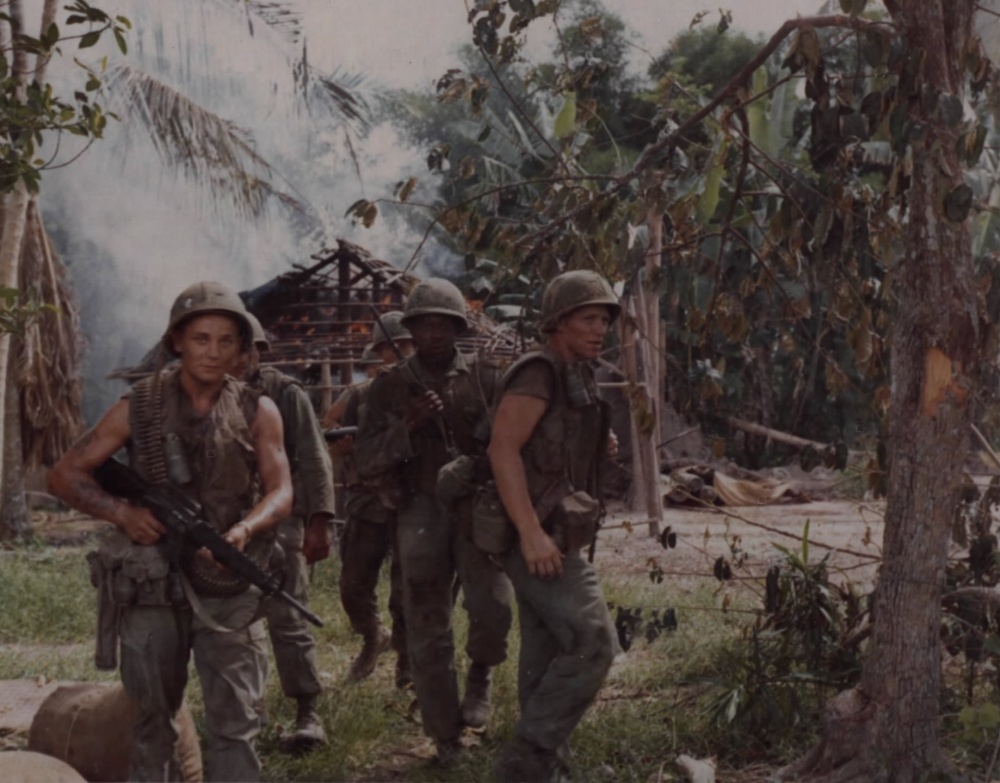
From 1965 to 1973, the United States led the war effort on behalf of South Vietnam, dropping millions of bombs and spraying Agent Orange.
Over 58,000 Americans died in the war, but millions of Vietnamese civilians and soldiers died, too. Much of the destruction, particularly in North Vietnam and rural areas, was caused by American military operations.
Major Events During the Vietnam War
The following are the major events during the Vietnam War.
Operation Ranch Hand (1962–1971)
Operation Ranch Hand was an American military program that used aircraft to spray herbicides over forests and farmland.
Its goal was to remove jungle cover used by North Vietnamese and Viet Cong forces and destroy crops that could support them.
The most famous herbicide used was Agent Orange, which later became linked to serious health problems, including cancer and birth defects.
Operation Rolling Thunder (1965–1968)
Operation Rolling Thunder was a sustained bombing campaign by the American Air Force and Navy against North Vietnam.
Over 640,000 tons of bombs were dropped, but it failed to break the North’s will to fight and might have strengthened that will.
Tet Offensive (1968)
The Tet Offensive was a surprise attack by North Vietnamese and Viet Cong forces during the Vietnamese New Year, known as Tet.
They attacked more than 100 cities and towns across South Vietnam, including the United States’ Embassy compound in Saigon.
The attacks were eventually repelled; however, they shocked the American public and changed perceptions of the war.
My Lai Massacre (1968)
The My Lai Massacre was the mass killing of over 500 unarmed Vietnamese civilians by American soldiers in Quảng Ngãi province.
Initially, the United States tried to hide the massacre.
When it became public, it caused widespread outrage and increased anti-war sentiment. It damaged their moral credibility.
Only one soldier was convicted: Lt. William Calley.
Cambodian Incursion (1970)
The Cambodian Incursion was a joint American and South Vietnamese military campaign into Cambodia aimed at attacking North Vietnamese bases and disrupting supply routes linked to the Ho Chi Minh Trail.
The Cambodian Incursion sparked massive protests in the United States, including at Kent State University, where four students were shot and killed by the National Guard.
Although it achieved some short-term military gains, it failed to produce lasting results and instead expanded the war into another country.
Easter Offensive (1972)
During the Easter Offensive in 1972, North Vietnam invaded South Vietnam using tanks, heavy artillery, and large infantry units.
The South, supported by American airpower, pushed the offensive back.
Paris Peace Accords (1973)
The Paris Peace Accords were signed in 1973 by the United States, South Vietnam, North Vietnam, and the Viet Cong.
The purpose was to stop the fighting, bring American troops out of Vietnam, and send prisoners of war back home.
Fall of Saigon (1975)
In 1975, North Vietnamese troops entered Saigon, the capital of South Vietnam, and the South Vietnamese government surrendered.
American helicopters evacuated diplomats and allies from rooftops, leaving thousands of South Vietnamese behind.
After the fall, Vietnam was reunified under communist rule. The United States failed to prevent the spread of communism in the country.
Vietnam Unified Under Communist Rule
After the fall of Saigon in 1975, Vietnam was finally unified under the communist government of the North. In 1976, the country was officially renamed the Socialist Republic of Vietnam.
However, peace and prosperity didn’t come immediately. The government needed to rebuild a war-torn country and manage a struggling economy.
Former South Vietnamese officials and soldiers were sent to re-education camps, where many were imprisoned and mistreated. Millions of Vietnamese fled the country by boat, which led to a global refugee crisis.
Also, the new government attempted to build a socialist economy by collectivizing agriculture and increasing state control over businesses, but these policies only led to shortages and poverty.
Over time, Vietnam learned from its mistakes and slowly opened its economy.

Deaths From the Vietnam War
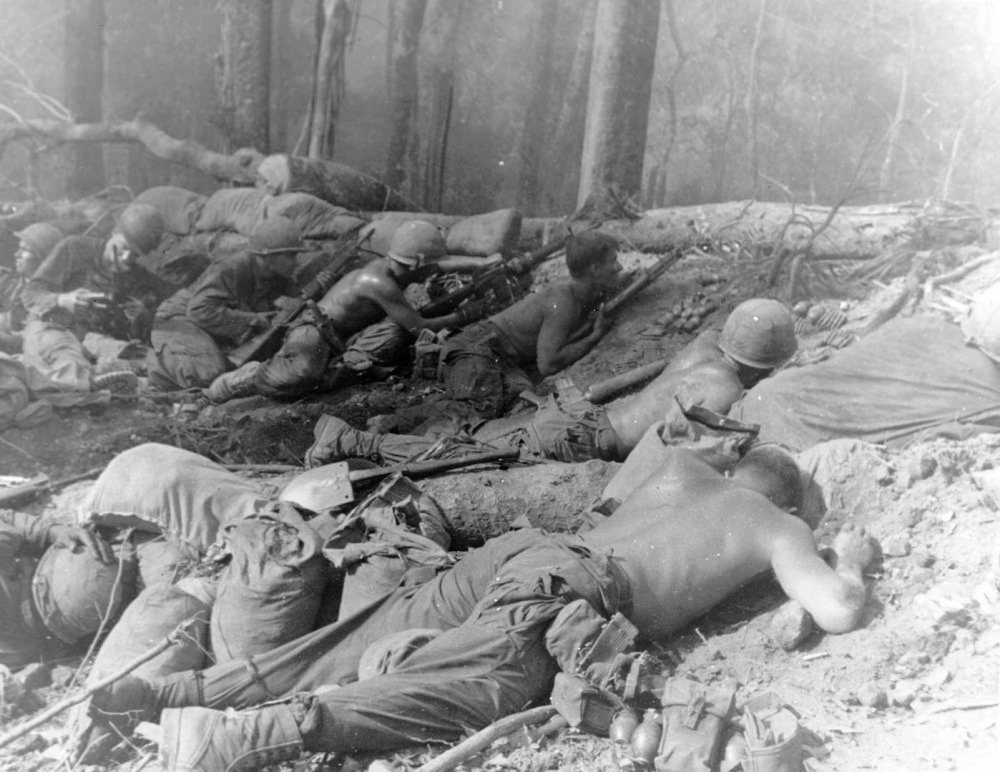
During the Vietnam War, an estimated 2 to 3 million Vietnamese were killed, many of them civilians. On the American side, over 58,000 soldiers died.
The war also caused long-term health problems, especially because of Agent Orange, which has been linked to cancer, birth defects, and environmental damage affecting millions of Vietnamese and American veterans.
Vietnam Syndrome
“Vietnam Syndrome” is a term used to describe the American public’s deep fear and distrust of getting involved in another war like Vietnam.
After the war, many Americans became skeptical of military interventions overseas. They questioned whether the United States should act as a “global police” and whether military force could actually bring about peace.
This attitude persisted for decades and influenced public debates about later conflicts, including the wars in Iraq and Afghanistan.
How Is Communism in Vietnam Today?
Today, Vietnam is still officially a communist country, but its economy looks very different from the one it tried to build after the war.
In the 1980s, the government introduced Đổi Mới, which allowed more private businesses and foreign investment. Since then, the country has become one of the fastest-growing economies in Asia.
It still has a one-party system controlled by the Communist Party, but the daily lives of Vietnamese people have improved in many ways.