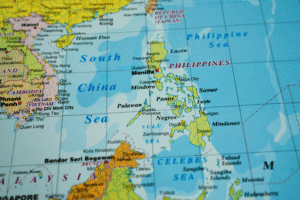

Are you wondering why Filipinos speak fluent English?
The Philippines is one of the few Asian countries where a huge portion of the population can speak it comfortably, naturally, and confidently.
It was largely because it was made the main language of schools and government during the American occupation from 1898 to 1946.
And then it became a permanent part of Filipino life; it is not treated as a foreign language anymore, but something used everywhere, even at home.
Because of this constant exposure, Filipinos have developed a level of comfort that many other countries don’t have.
Why Filipinos Speak Fluent English
Based on a poll, about 47% of Filipinos are competent and can think in English, while 55% can speak it and 69% can write it. Why?
Americans Colonized the Philippines for 48 Years
When the United States took control of the Philippines, they introduced a public school system where English was the main language of instruction.
American teachers, known as the Thomasites, were sent to the country to teach English and other subjects to Filipino students.
Thomasites arrived in the Philippines aboard the U.S. Army Transport Thomas, which became the name associated with the entire group of American teachers.
After independence, many American systems remained in place, including the use of English in schools and official institutions.
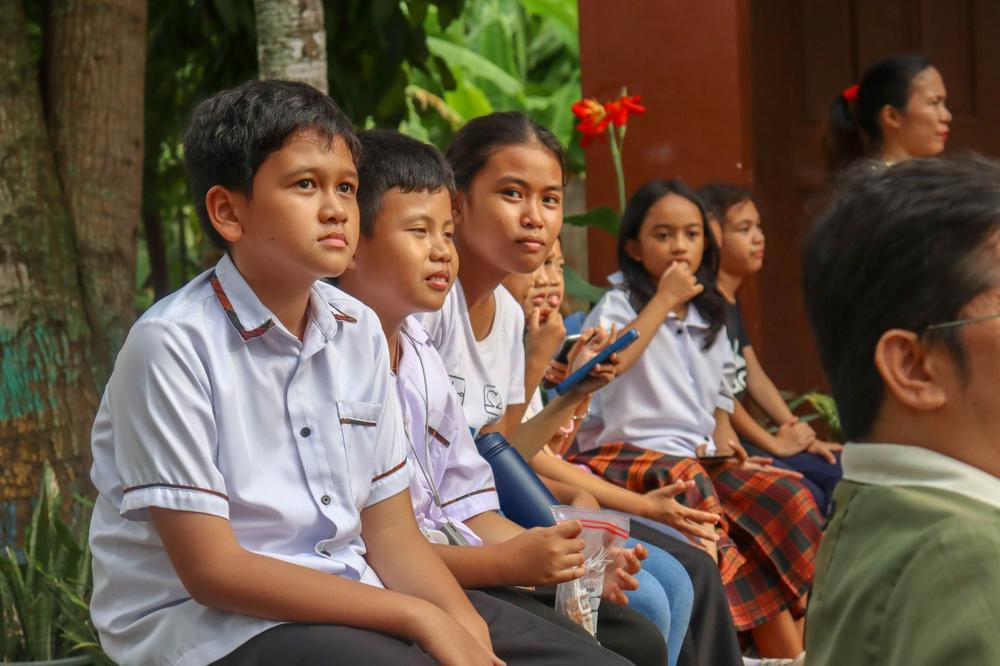
Filipinos Start Hearing English at Age 0
Filipinos are exposed to English from the moment they are born.
Many parents usually mix Filipino and English at home, sometimes even other languages. Most of the cartoons, lullabies, and baby videos they play are also in English, so kids grow up hearing the language every single day.
Because of that early exposure, they easily pick up English sounds, rhythm, and basic words without even trying. By the time they enter preschool, it is not scary or foreign anymore but already part of their world.
English Is a Core Subject From Kindergarten to College
In the Philippines, English is a core part of the curriculum from kindergarten all the way to college. That is over a decade!
It is offered as its own subject every year, covering reading, writing, grammar, vocabulary, and communication skills, which build proficiency.
Many Subjects in Schools Are Taught in English
Filipino students also learn English while studying other subjects, except those that are rooted in Filipino identity like Filipino and Araling Panlipunan (Social Studies), which must be taught in the local language.
Filipinos Consume English-language Media
Filipinos are surrounded by English-language media.
They watch movies and series from English-speaking countries; if from other Asian countries, it is usually with English subtitles, not Filipino.
They also listen to English songs, podcasts, and interviews, which are all available on social media. What is the language of social media? English.


Taglish Allows Filipinos to Integrate English Into Daily Conversations
Most everyday conversations in the Philippines naturally slide between Filipino and English, so Taglish ends up being the dominant spoken style.
It is even more common than pure Filipino or pure English.
In non-Tagalog regions like Cebu, people usually mix English with their own local language, not Tagalog.
This happens across social classes and regions because Filipinos pick whichever word feels easier, clearer, or more natural in the moment.

In the Future, Could English Replace Filipino as the National Language?
English is officially recognized by the 1987 Constitution as one of the two official languages of the Philippines, alongside Filipino.
However, it is unlikely to replace Filipino as the national language simply because many Filipinos will not allow it to happen.