The physical geography of the Philippines, as well as the people living on its islands, all have influences on its development as a country.
It is an archipelago, which has both advantages and challenges. Fishing is common, but transporting fish to markets may be expensive or tough.
Its tropical climate also creates both opportunities and risks. Crops could grow due to abundant sunlight, but too much sunlight isn’t good.
Let’s discuss how the geography of the Philippines affects its development.
Physical and Human Geography of the Philippines
Physical geography is about the natural features of a country, while human geography looks at how people in that country live and interact.
Before we discuss how the Philippine geography affects it development, let us first look at what constitutes its geography.
Physical Geography
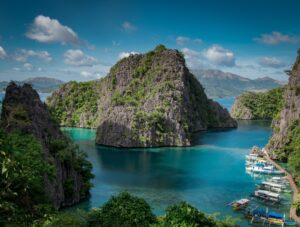
The Philippines is made up of 7,641 islands scattered in the Pacific Ocean, South China Sea, and Philippine Sea; it is an archipelagic country.
It is surrounded by seas, so there are many Filipino fishermen. But it also has many landforms, so agriculture is also a common economic activity.
Its absolute location is around 12.8797° latitude and 121.774° longitude, above the equator and along the Typhoon Belt and the Pacific Ring of Fire.
Therefore, it has a tropical climate with only two main seasons: wet and dry.
During the wet season, typhoons can become destructive. Earthquakes and volcanic eruptions can strike anytime, even during the wet season.
Human Geography
The Philippines has over 116 million people, making it one of the most populated countries in the world. It is too many for its size.
The Philippines has a land area of 300,000 square kilometers.
It is home to more than 175 ethnolinguistic groups, which means people speak different languages and have unique traditions depending on their region.
Most Filipinos are Christian, but there are also Muslim communities. Some Indigenous groups practice traditional beliefs alongside formal religions.
How the Philippine Geography Affects Its Development
For decades, the Philippines has been a “developing” country.
It means that it still faces challenges in income levels, industrial growth, and access to basic services, even as it continues to make progress toward becoming more economically stable and globally competitive.
Below are specific cases showing how its geography affects its development.
Fishing Is a Common Livelihood Because the Philippines Is Close to Seas
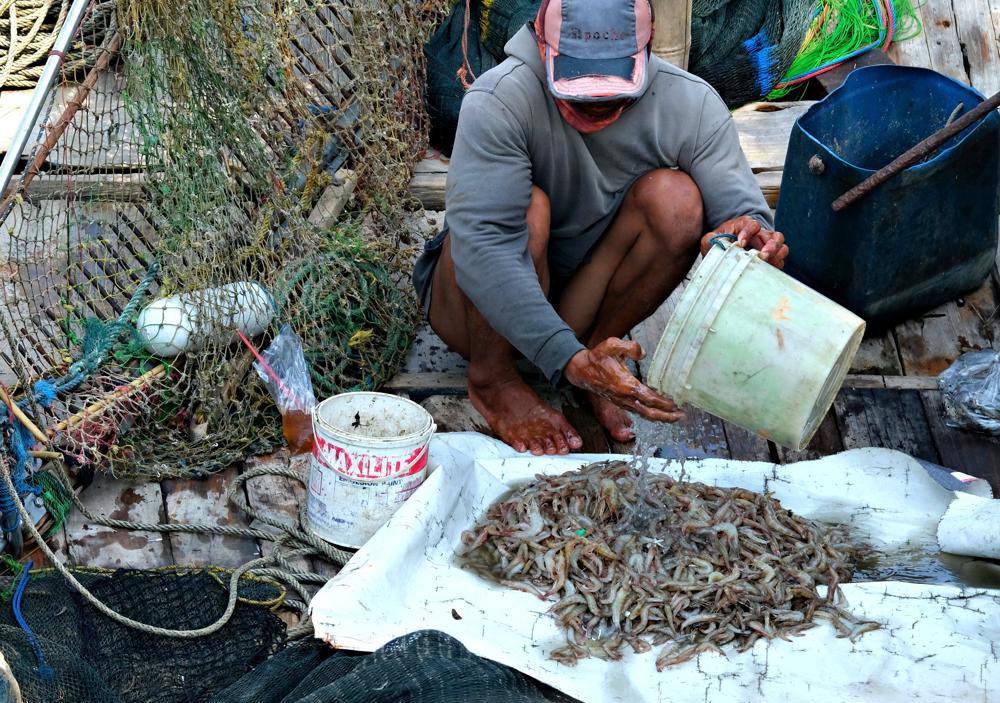
The Philippines has one of the longest coastlines in the world, so fishing is a very common livelihood for millions of Filipinos.
The Philippines has an estimated total coastline length of about 36,289 kilometers, making it the fifth longest in the world.
The fishing industry provides jobs not only for fishermen but also for those in fish markets, processing plants, and transport services.
However, because so many people rely on it, the seas are overfished, which reduces supply and affects sustainability. Pollution, climate change, and destructive fishing methods also threaten marine life.
The Philippines Is Rich in Natural Resources Because of Its Seas and Landforms
The Philippines has abundant natural resources, both from land and sea.
Its mountains contain valuable minerals, such as gold, copper, and nickel. Fertile plains and valleys, on the other hand, allow farming of rice, corn, sugarcane, and tropical fruits, which feed the population and provide exports.
The seas surrounding the country also provide food security, as they are rich fishing grounds that supply tuna, sardines, bangus, and many other species that millions of Filipinos rely on every day.
And along the coastlines, tourism grows. Beaches and coastal towns attract visitors from all over the world and support local livelihoods.
Indeed, natural resources provide opportunities for Filipinos to earn income, but they are limited and can become scarce if overused, overexploited, or poorly managed, despite being renewable.
Farmers Can Grow Crops Year-round Because of the Tropical Climate
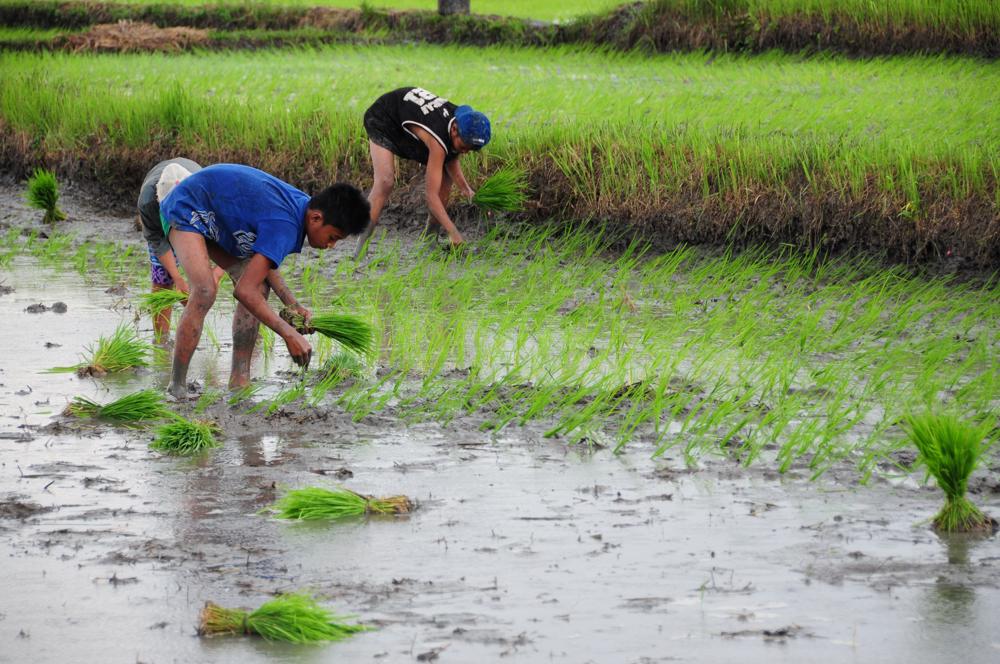
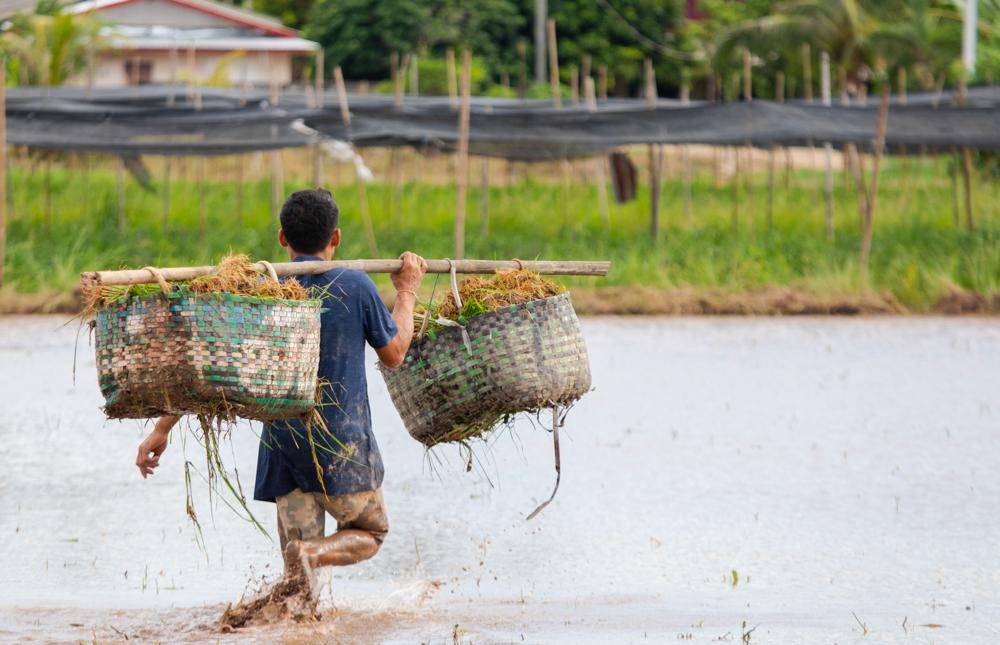
The tropical climate in the Philippines makes farming almost all year possible; it can produce crops continuously because it only has wet and dry seasons.
This is why agriculture is a huge part of the Philippine economy.
Agriculture gives jobs to about a quarter of Filipinos and contribute around 10% of the Philippines’ total output.
But while the climate helps with farming, droughts can ruin harvests.
The country is also along the Typhoon Belt. Typhoons can destroy crops overnight, and pests spread more easily in warm, humid weather.
Transporting Goods May Be Difficult Because of the Archipelagic Nature
Because the Philippines is made up of thousands of islands, transporting goods across the country can be difficult, time-consuming, or expensive.
Roads, bridges, and railways are limited to the landmass, so once you reach the coastline, ships, boats, or airplanes are needed.
During typhoons or storms, sea and air travel may be suspended, which delay deliveries and disrupt supply chains.
The Philippines’ Geographic Separation Produced Ethnolinguistic Diversity
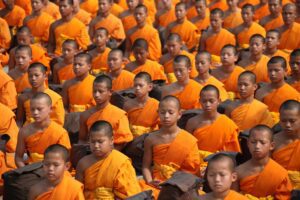
Since communities were isolated from one another by seas and mountains, they developed their own languages, traditions, and identities; the Philippines has over 175 ethnolinguistic groups, each with distinct practices.
While Filipino and English are official languages, many Filipinos primarily speak their regional tongue, such as Cebuano, Ilocano, or Tausug.
Diversity makes Filipino culture rich. You see it in music, food, clothing, and festivals. However, it can also make national unity harder.
It affects development because public policies and programs must consider different languages and traditions to succeed, which takes more time.
The Philippines Has Been a “Developing” Country for Decades
Despite its natural resources and its diligent, hardworking people, the Philippines has remained a “developing” country for a long time.
Politics may have a part in it, but geography also do.
Natural disasters damage natural resources and disrupt economic activities. The archipelagic nature provides rich marine biodiversity, but it also makes transportation costly and slows down trade between islands.
There is also an imbalance between its physical and human geography. 300,000 square kilometers is too small for 116 million population.
Moreover, ethnolinguistic diversity, while culturally rich, may slow down national planning because public policies have to account for many different languages, identities, and community needs.
To rise from its “developing” status, it must build strong infrastructure, protect natural resources, and unite its diverse population.