
Many people think that political science is just about politicians, elections, and the president, but it is much more than that.
It is a social science, so it explains how societies are organized, how leaders are chosen, and how decisions that affect millions of people are made.
Here is an introduction to political science to give you a simple but detailed overview as to what it is, what it covers, and why it matters.
Political Science Is More Than Just Governments
Power is central to political science: who has it, how they got it, and how they use it. It is the ability to influence others or control outcomes.
But it exists not only in the government.
Sure, it could be in the form of laws written by self-interested politicians. However, it could also simply be the influence of Big Tech or the media on ordinary people, or even the government.
If one group controls most of the money or access to media, they might have more influence over what laws get passed or what people believe.
Who Gets What, When, and How
One classic definition of politics is by Harold Laswell: “who gets what, when, and how.” And as the science of politics, political science examines how available resources are distributed in society.
These decisions aren’t random. They come from political negotiations, power struggles, lobbying, and public pressure, and they affect people differently depending on their interests and circumstances.
If the government decides to raise taxes on the rich and use that money to provide free healthcare, some people gain and others lose.
This also applies internationally. Think about why some countries got faster access to COVID‑19 vaccines, or why they receive more development aid than others. That is global politics at work, not chance!
Subject Areas Being Studied in Political Science
Political science has subject areas that help you understand politics from different angles. Learn about them below!
National Government
Political science studies how the branches of the national government work together, or clash. It also explores the very nature of the government.
In most democracies, there are three branches: executive branch, legislative branch, and judicial branch.
How are leaders elected? How does the Philippine national government create and enforce policies? Why is the United States so powerful?
It covers the role of political parties, national elections, and how governments handle issues, especially those that affect people’s basic needs.
Local Government
Local governments handle the basic services that keep local communities running, all the things people rely on every day.
These include public schools, garbage collection, traffic management, community healthcare centers, and local peace and order.
In the Philippines, local government units are categorized into four: barangays, municipalities, cities, and provinces.
Local politics can be just as complex and controversial as national politics; political dynasties, vote-buying, and corruption happen at the local level. That is why political scientists examine them closely, too.
Advertisement
Public Administration
Public administration was once a subbranch of political science, but it is now a separate field that is more practical because it focuses on how government policies are actually carried out.
However, in my case, it was a major subject in college. I learned how government programs are managed, funded, and implemented on the ground.
Political science studies it to find out how effective, transparent, and fair governments are: Are services being delivered equally to all citizens? Are government workers doing their jobs properly?
It is to make sure the government works not just in theory, but in real life.
Public Policy
Public policy refers to the actions taken by governments to solve problems; political science studies how it is made, who influences it, what effects it has, and whether it actually achieves its intended goals.
For example, why did one anti-drug policy work, while another made things worse? Who benefits from a certain tax policy, and who suffers?
Policy-making usually starts when a problem is identified. Then, lawmakers propose solutions, which are debated, passed into law, and put into action.
Political Behavior
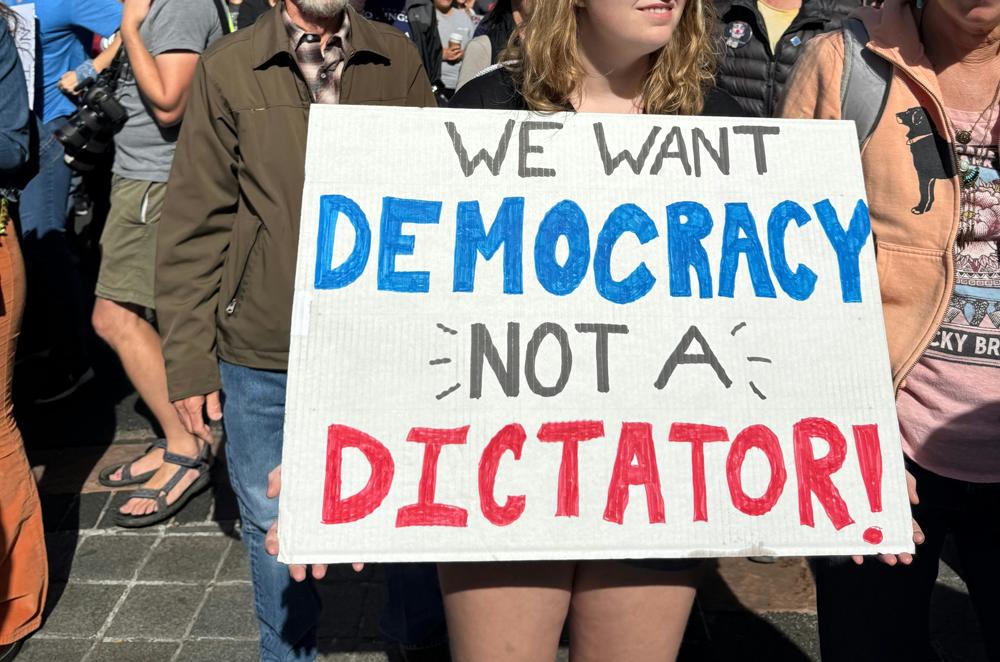
Political scientists try to understand what motivates people to participate, or not participate, in politics. This includes how they vote, why they protest, what political parties they support, and how their beliefs are formed.
Political behavior also includes the study of leaders and elites: Why do certain people rise to power? How do they maintain their support?
This area of political science can explain trends in elections, public opinion, social movements, and any political activity.
Comparative Politics
Comparative politics looks at the similarities and differences between political systems worldwide in terms of governance, elections, and institutions.
For example, they might compare the U.S. Congress to the U.K. Parliament, or study why one country has a strong democracy while another suffers from it.
It is useful for learning what works and what doesn’t in governance, as the data can be used to suggest improvements to struggling democracies or offer insights on how to prevent corruption or conflict.


International Relations
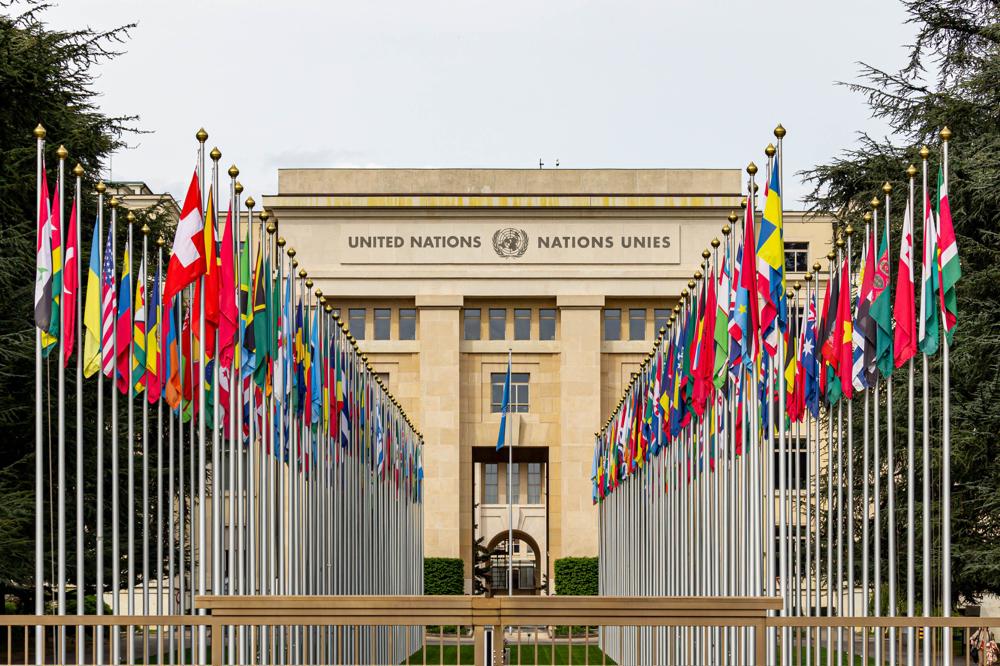
International relations is the study of how countries interact with one another; it includes international organizations, such as the United Nations, World Bank, and the ASEAN, and their roles in global politics.
Foreign policies are also covered here, giving insight into why countries go to war, form alliances, or cooperate on global issues, as well as how those decisions end up affecting ordinary people.
Political Theory
Political theory is the philosophical side of political science. It asks deep questions: What is justice? What makes a good leader? What is the best form of government? Who is Karl Marx? Niccolo Machiavelli?
Political theory doesn’t always give clear answers, but it helps you develop good arguments and see multiple sides of an issue.
Political theorists read and interpret the works of political thinkers and analyze political ideologies and concepts, like feminism, communism, environmentalism, and human rights.
Law
Political science looks at how laws are created, interpreted, and enforced. It studies the role of judges, courts, and legal systems in a society.
They are deeply connected to politics, as they reflect the values of a country: A law protecting free speech shows that a country values individual rights.
This area also examines constitutional law, criminal justice, and legal reforms. It asks: Are the laws serving the people? Are they being applied equally to everyone? How can we make the legal system better?
Is Political Science Worth Studying?
I have a bachelor’s degree in political science, and after graduation, it was hard for me to find jobs that were aligned with the field.
The most aligned was the government, but I couldn’t even get invited for an interview in that sector even with civil service eligibility. So, I ended up working in an unrelated field, and that should be okay.
You will learn how to think critically and argue, but political science is mostly theoretical. So, you will need to actively connect the theories you learned to real issues to make them meaningful.
It is worth it if you are after the knowledge, but not if you need money.