
Monarchy is one of the oldest forms of government in human history, involving leadership by a single individual called a monarch, who is trained from a young age to understand leadership, diplomacy, and governance.
Monarchy began around 3000 BCE when early civilizations, such as Egypt and Mesopotamia, formed centralized rule under kings.
They rule until their death, but their power varies depending on the country.
Some only serve as symbols, like King Charles III. In the United Kingdom, the prime minister is more powerful than the monarch.
Monarchy is good only when the ruler truly cares for the people. Otherwise, it can turn into tyranny, which is one of the worst forms of government.
Monarchy Is the Rule of One Qualified Person
A monarchy is a type of government where power rests with one person, believed to be the most qualified to lead.
The idea behind it is that having one strong and wise ruler can make a government more stable and efficient.
Monarch Gains Power Through Heredity
In most monarchies, power is passed down through a royal family; this process is called hereditary succession. A monarch’s child, usually the oldest son or daughter, becomes the next ruler.
It continues for generations, so everyone knows who the next ruler will be. Royal heirs are trained from childhood to take on this role.
However, hereditary succession doesn’t always guarantee that the next monarch will be a good ruler. Some people born into royal families may lack leadership qualities or interest in governance.
This is why critics argue that it is unfair to give someone so much power just because of their birth.
Monarchy Can Be Tyranny If the Monarch Abuses Power
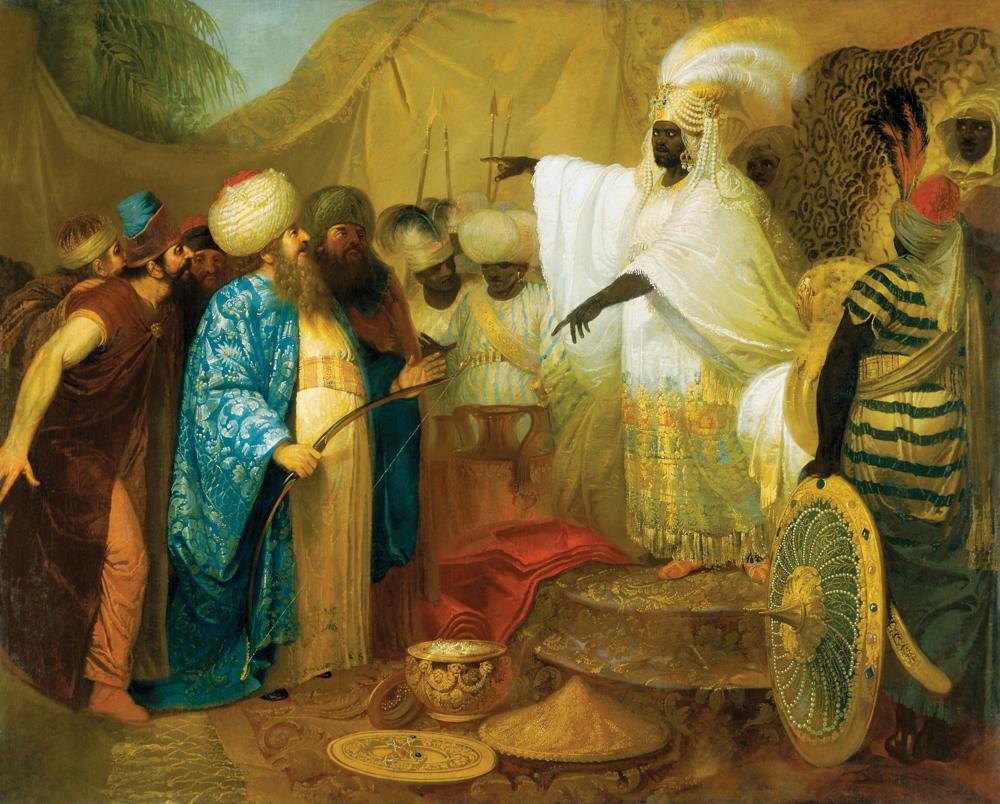
A monarchy becomes tyranny when the ruler abuses power; the monarch rules with absolute authority and doesn’t consider everyone’s well-being.
Tyranny is one ruler abusing power, authoritarianism is tight political control with limited freedoms, and totalitarianism is full state domination over every part of life.
Several monarchs in history turned into tyrants, including Henry VIII of England and Ivan the Terrible of Russia, who both used fear and violence to intimidate, punish, and control their people in the 1500s.
To prevent it from happening again, many modern monarchies have set up systems to limit their power.
Monarchy Can Be Absolute, Semi-constitutional, or Constitutional
Monarchies come in different forms depending on how much power the monarch has. Let us discuss them below.
Absolute Monarchy
In an absolute monarchy, the monarch holds all power. There are no elections or checks on their authority; their word is the law.
They claim to rule by “divine right,” meaning they believe their power comes from God. No one should question them because no one should question God.
In history, many European countries had absolute monarchs, such as Philip II of Spain. Today, countries that still have absolute monarchies include Saudi Arabia, Oman, Brunei, and Eswatini.
Semi-constitutional Monarchy
In a semi-constitutional monarchy, the monarch shares power with an elected body or a constitution but keeps some real influence in the government.
This system is more stable than absolute because the constitution limits the monarch, and there is a parliament or similar institution that participates in lawmaking; people can take part in democratic processes.
Constitutional Monarchy
In a constitutional monarchy, the monarch’s powers are almost entirely symbolic; they act as a national figurehead and perform ceremonial duties.
People respect them for their historical and cultural significance, but they don’t expect them to make laws or run the country. Political power belongs to elected officials, such as the prime minister and parliament.


Some Countries That Have a Monarchical Form of Government
The power and role of the monarch in each country depends on whether it is absolute, semi-constitutional, or constitutional.
United Kingdom
The United Kingdom is a constitutional monarchy, so the monarch has no real political power and mainly performs ceremonial duties.
King Charles III represents the country at formal events, but he doesn’t make laws or decisions for the government. It is the job of the parliament and the prime minister, who is the head of government.
Sir Keir Starmer has been the prime minister of the country since 2024.
Japan
Japan has a constitutional monarchy. Its present constitution, which was adopted after the Second World War, has many provisions stating that the emperor has no powers related to government.
So, the current emperor, Emperor Naruhito, holds no governing power and acts purely as a symbol of the unity of the Japanese people.
The government is run by elected officials, with a prime minister as head of government and a legislature called the National Diet.
Spain
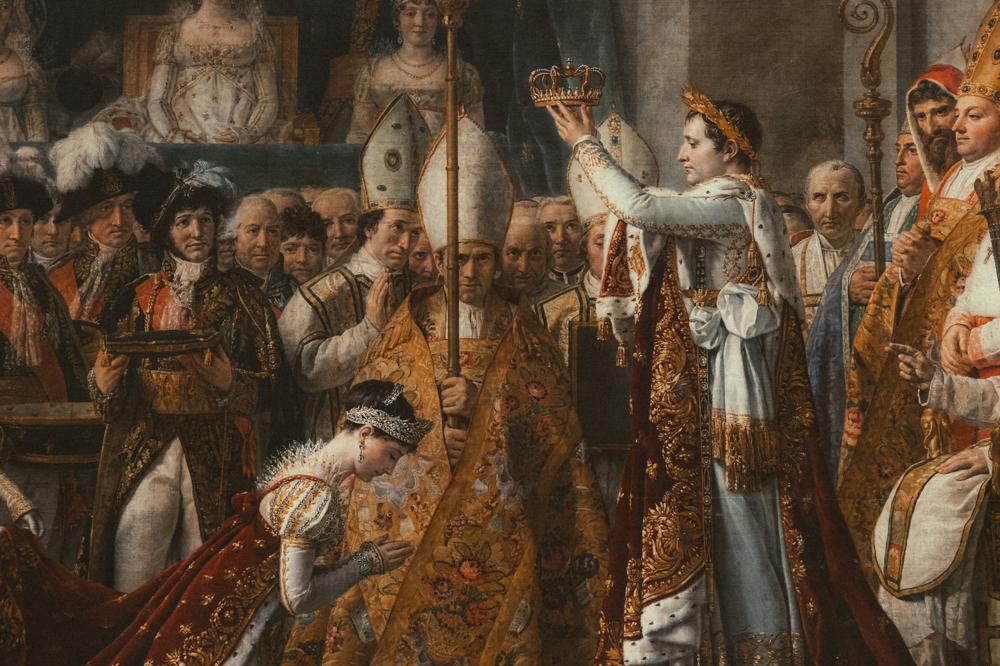
Spain transitioned to a constitutional monarchy in 1978 when dictator Francisco Franco died. King Juan Carlos I became monarch shortly after, and he guided the country toward democracy during his reign.
King Felipe VI, his son, became king in 2014 after he abdicated the throne. He has no political power just like the earlier monarchs we talked about.
The government is run by a democratically elected parliament and a prime minister, Pedro Sánchez, who holds executive power.
Thailand
Thailand is a semi-constitutional monarchy, so the current monarch, King Maha Vajiralongkorn, shares political authority with a government.
He inherited the throne from his father, King Bhumibol Adulyadej, who ruled for 70 years and was highly respected.
King Bhumibol Adulyadej held the second‑longest reign at 70 years, behind King Louis XIV of France who ruled for 72.
The country also has strict lèse‑majesté laws, which prohibit anyone from saying anything negative about the royal family, as they can be jailed.
The Netherlands
The Netherlands is a constitutional monarchy, ruled by the Dutch royal family known as the House of Orange-Nassau.
King Willem-Alexander is the current monarch. He participates in national events, such as King’s Day (his birthday) and other royal ceremonies, but he doesn’t interfere in politics; political power belongs to the parliament.
The Dutch people generally have a positive view of the royal family, seeing them as approachable and down-to-earth.

Saudi Arabia
Saudi Arabia is an absolute monarchy, one of the few remaining in the world.
It claims legitimacy through both hereditary succession and religious authority, as the king also holds the title “Custodian of the Two Holy Mosques” in Mecca and Medina. Its laws are heavily influenced by Islamic principles.
King Salman bin Abdulaziz Al Saud, the current monarch, holds supreme power over all branches of government. His son, Crown Prince Mohammed bin Salman, also holds significant power as the de facto leader.
Bahrain
While Bahrain has a constitution and an elected legislature, the king still holds significant power. It is a semi-constitutional monarchy.
King Hamad bin Isa Al Khalifa can dissolve parliament and appoint the prime minister. He is also the commander-in-chief of the armed forces.
Elections are held, but opposition parties have been banned or limited. The royal family is protected by the country’s political system.
Jordan
Jordan is also a semi-constitutional monarchy like Bahrain. King Abdullah II has both symbolic and real political power.
While the country has parliament, King Abdullah II can dissolve it. He can also appoint the prime minister, dismiss governments (which he has done several times), approve laws, and oversee the military and intelligence services.
Monarchy Is the Best Form of Government for Aristotle
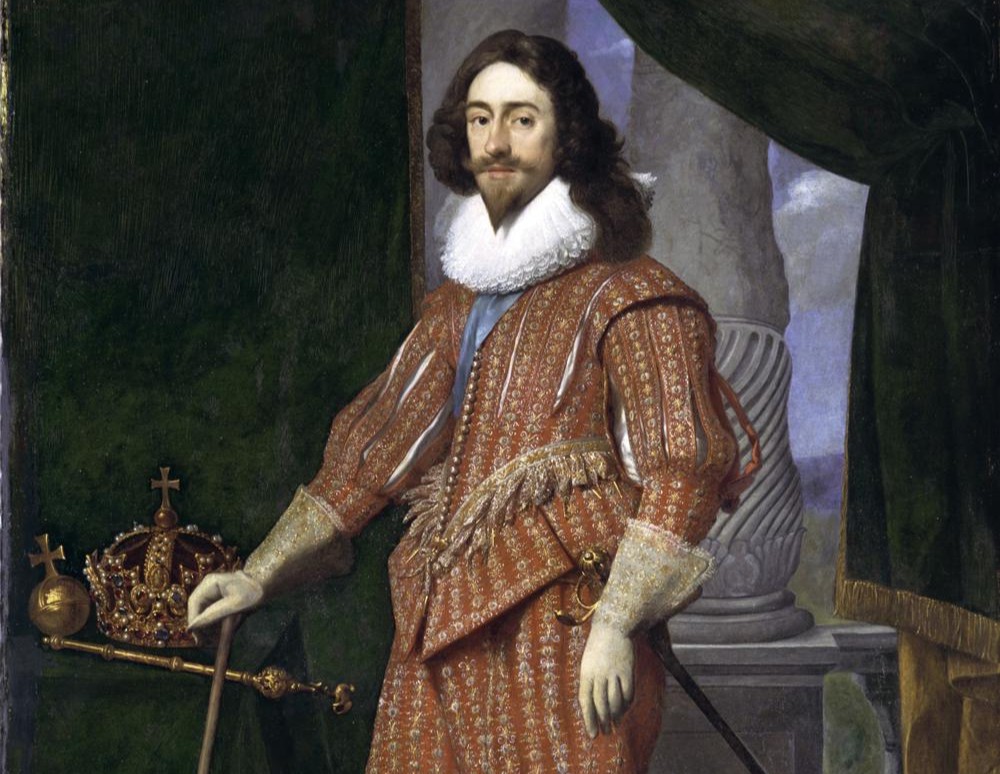
Aristotle believed that monarchy was the best form of government, if the monarch is truly virtuous and wise.
It is because when one person with the right qualities leads, decisions are faster, clearer, and more consistent. So, the government is stable.
However, if no such ideal person exists, the next best option is a balanced government guided by a constitution, like polity.
Polity doesn’t exist as an official form of government today, but he described it as a mixed system and the “balanced” version of democracy.