
The physical geography of the Philippines has an impact on the daily routines, livelihoods, and present and future plans of Filipinos.
It is close to the equator, so it has a tropical climate; it is warm and humid most of the year. Even during the rainy season, it can still get hot.
The Philippines can get as hot as about 28 to 34°C.
It also has many mountains, volcanoes, and earthquakes, being in the Pacific Ring of Fire. That is why it is rich in natural resources.
However, it is also rich in natural disasters, which can destruct those natural resources, as well as homes, infrastructure, and the habitat of animals.
Physical Geography of the Philippines
The Philippines has rugged mountains, active volcanoes, wide plains, and long coastlines spread across more than 7,000 islands.
Let us talk about it in detail.
An Archipelago With Over 7,600 Islands
The Philippines is an archipelago, which means it is a group of islands; it has 7,641 islands scattered in the western Pacific Ocean.
These islands vary in size. Some are very large like Luzon and Mindanao, while others are so small they are uninhabited.
Culturally, its fragmented geography has led to many different languages and traditions, since communities grew separately on different islands.
Economically, the seas around the islands provide fish, transport routes, and even energy resources like natural gas.
A Total Land Area of About 300,000 Square Kilometer
The Philippines has a total land area of around 300,000 square kilometers. This makes it a medium-sized country.
The land area is spread across the islands, with Luzon being the largest, followed by Mindanao, and then Visayas with its many smaller islands.
It is enough to support a population of over 116 million people, but because islands have different sizes, the distribution of people is uneven.
Some areas, especially Metro Manila, are very crowded, while others, like Palawan, are more spacious and less developed.
A Tropical Climate Due to Its Equatorial Location
Because of its tropical climate, the Philippines only has two main seasons: the wet season and the dry season.
The wet season usually runs from June to November, bringing heavy rains that cause landslides and floods. The dry season lasts from December to May, but you may still feel the heat even during the wet season.
These seasons are suitable for growing crops like rice, bananas, coconuts, and mangoes. They also allow for year-round farming in many places.
Prone to Typhoons Because It Is in the Typhoon Belt
The Philippines lies in the Typhoon Belt, which is a region in the Pacific Ocean where many strong storms develop each year.
Typhoon Belt mainly covers the Philippines, Japan, Taiwan, China’s east coast, Vietnam, and nearby Pacific islands.
Because of this, it is hit by an average of 20 typhoons annually, with some being very destructive, as they bring strong winds and storm surges.
Areas along the eastern part of the country are usually the first to be hit since they face the Pacific Ocean.
Has Landforms Because It Is in the Pacific Ring of Fire
The Philippines is also in the Pacific Ring of Fire, an area with frequent earthquakes and volcanic activity.
Because of this, it has a diverse physical landscape. It has mountains, mountain ranges, volcanoes, hills, and many more that are usually fertile due to volcanic soil, which makes them excellent for farming.


Major Landforms in the Philippines
Below are the major landforms in the Philippines that define its steep highlands, rolling hills, and lowland valleys.
Mountains
Mountains are one of the most common landforms in the Philippines.
They are sources of timber, minerals, and agricultural land, especially for crops like coffee, pineapple, and root crops. They also regulate the climate by catching rainfall and providing water to rivers.
The tallest mountain in the country is the Mount Apo in Mindanao, which stands at nearly 3,000 meters above sea level.
Volcanoes
The Philippines has 24 active volcanoes; it is one of the most volcanically active countries in the world, due to its location in the Pacific Ring of Fire.
Volcanoes are destructive, but they create fertile soil that helps crops grow well and provide geothermal energy, which is renewable.
Geothermal energy is used to generate electricity and provide direct heating by tapping heat from beneath the Earth’s surface.
The eruption of Mount Pinatubo in 1991 was a significant volcanic event in modern history. It made the world temperature drop for a few years because of all the ash and sulfur dioxide it sent into the atmosphere.
Plains
In the Philippines, the Central Luzon plain and the Cagayan Valley are major agricultural regions, as they produce rice, corn, and other staple crops.
But apart from the agricultural benefits, plains are broad and flat, so towns and cities grow there because they are easier to build on.
However, they are also prone to flooding during heavy rains and typhoons since water doesn’t drain quickly on flat land.
Hills
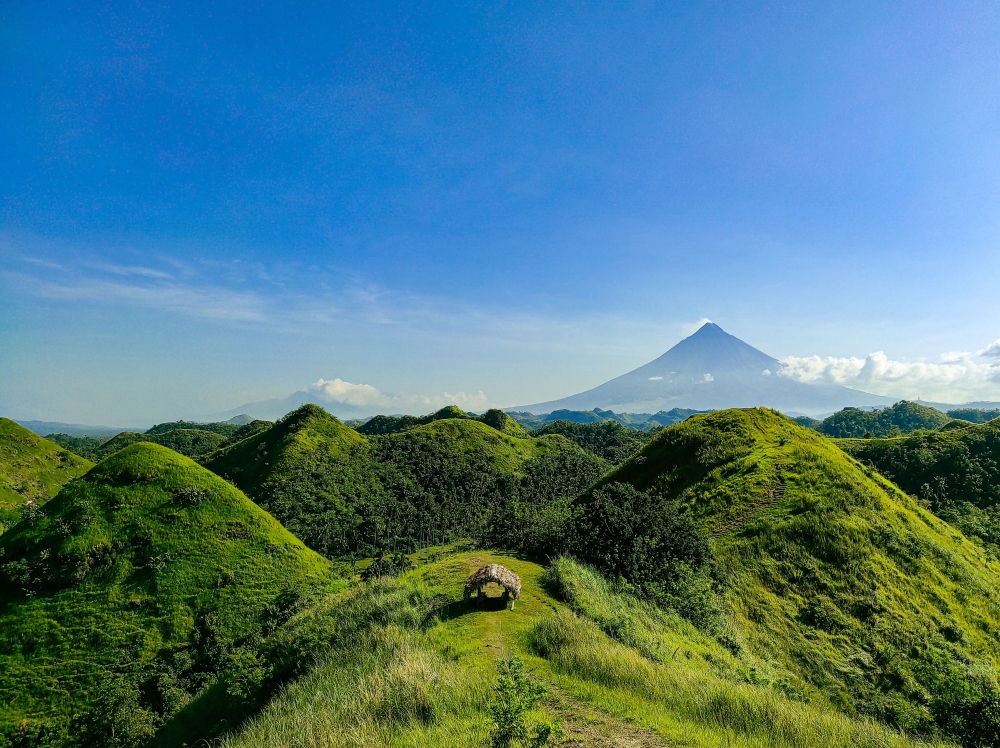
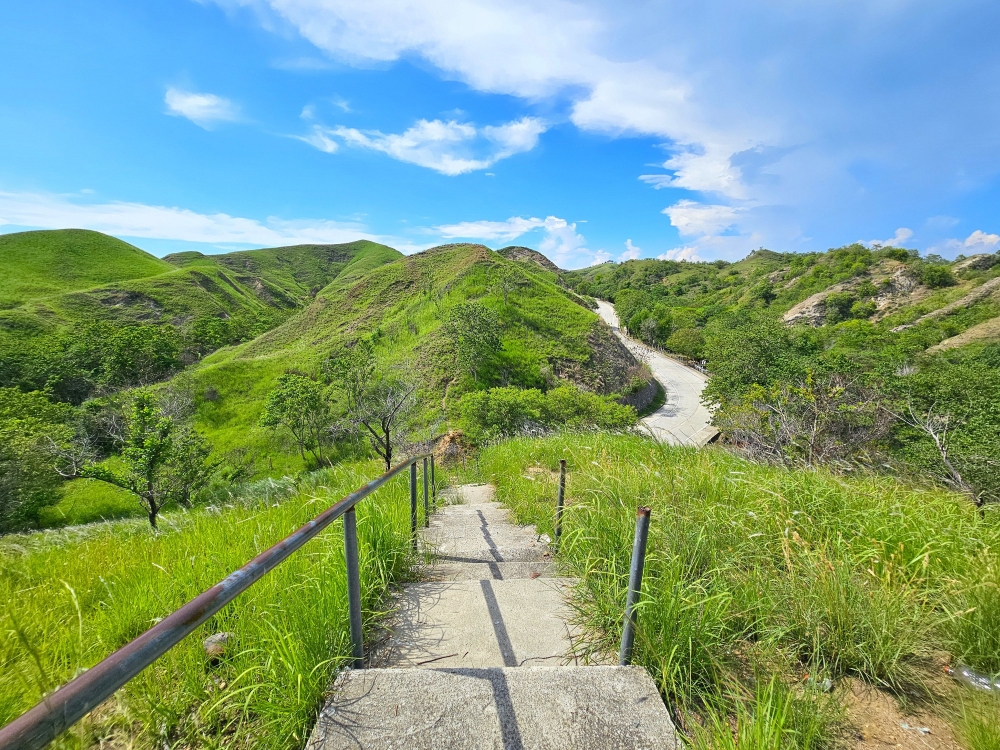
Hills are smaller than mountains and found near mountains and plains, usually covered with grasslands.
Many communities live on or near them, especially in rural areas, as they are less prone to landslides than steep mountains.
One of the most famous hill formations in the Philippines is the Chocolate Hills in Bohol, which attract many tourists every year.
Valleys
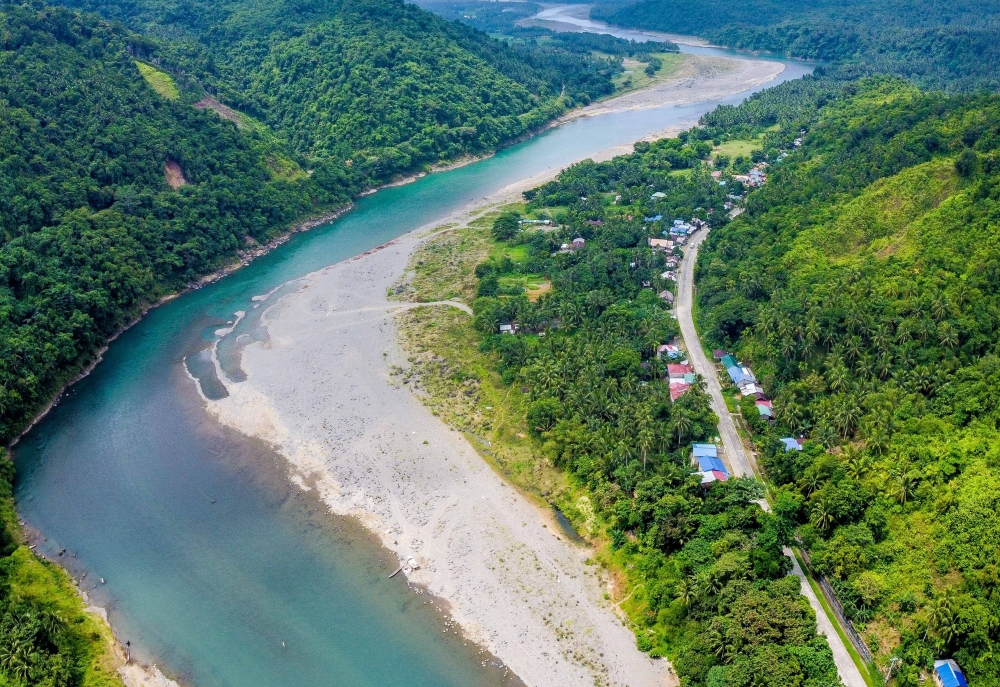
Valleys are low areas between mountains or hills, often with rivers running through them. They are usually very fertile because they are formed by the deposition of soil carried by rivers.
Some valleys in the Philippines are the Agusan Valley and Cagayan Valley.


Plateaus
Plateaus are flat areas of land that are elevated above sea level; they look like raised plains and are often found in mountainous regions.
Their soil is fertile, and they have cooler climates than lowland areas, which can make them good places for settlement.
Nonetheless, transportation can be challenging because of their height and steep surroundings. They are also prone to erosion if forests are cleared.
Trenches
The Philippines has some of the deepest ocean trenches in the world, including the Philippine Trench and the Manila Trench.
These trenches were formed by the movement of tectonic plates; they are linked to the formation of mountains and volcanoes in the country.
Coastal Areas
Because the Philippines is an archipelago, it has very long coastlines, stretching over 36,000 kilometers, where millions of Filipino fishermen live.
Some areas have become beautiful beaches and thus attract tourists. Boracay and Palawan, among others, attract visitors worldwide.
The Philippines Is Rich in Natural Resources Because of Its Physical Geography
The physical geography of the Philippines provides fertile soil for farming, as well as gold, copper, nickel, and other minerals.
Also, the seas around its islands are full of fish, and then the coastal areas have beaches that are visited by people from around the world.
However, the same physical geography also brings typhoons, earthquakes, volcanic eruptions, and floods, which can damage natural resources.