
Feudalism was a system of government and economy that existed mainly in medieval Europe between the 9th and 15th centuries.
At the time, land was the most valuable resource. Whoever owned it had power, and it could be exchanged for service and loyalty.
In medieval Europe, all land was technically owned by the monarch, who granted it to nobles, knights, and the Church.
Everyone in the system had obligations to someone above them and, in some cases, responsibilities to those below them.
Learn about how feudalism worked below!
Feudalism Is About Exchanging Land for Service
Since land was the main source of wealth, rulers used it as a currency. They gave land as a reward to those who were loyal or helped in battle.
In exchange, those who got the land had to give something back, such as military support, protection, or labor.
Important Players in Feudalism
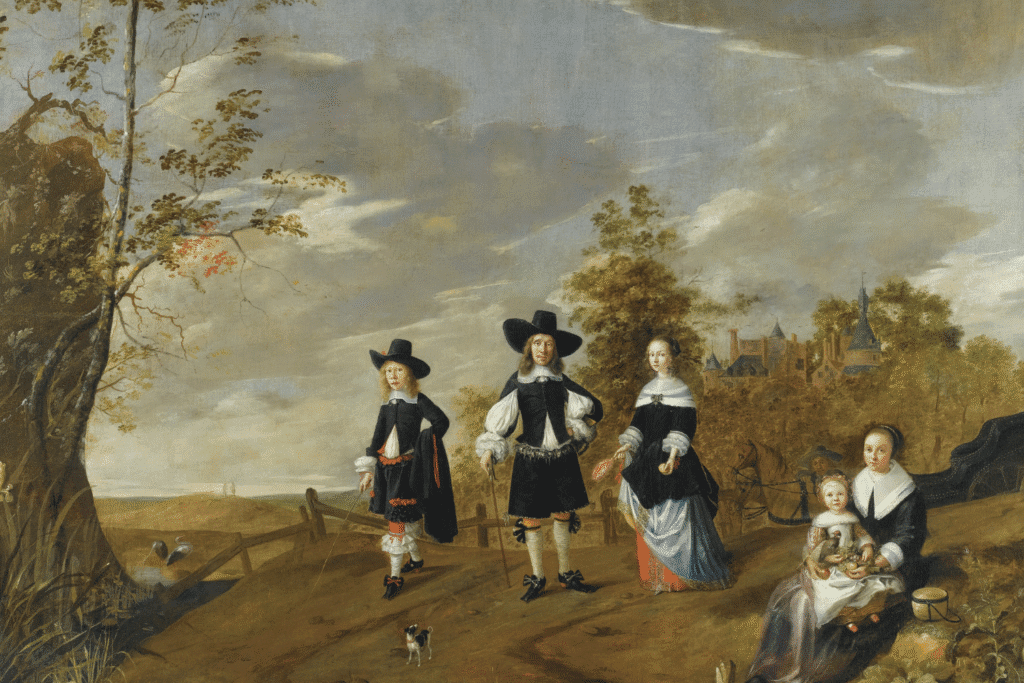
The feudal system had different layers of people playing different roles, which trapped them in rigid social classes.
Moving up the hierarchy was rare, so they usually stayed in the role they were born into. More information below.
Monarchs Grant Land to Lords
Monarchs were the kings and the queens, and they were the ultimate landowners in a kingdom; they claimed authority over all the land.
The monarch was the supreme landowner by divine right or conquest, meaning all land legally belonged to them.
However, they couldn’t personally manage or protect it all, so they granted large estates to lords, also called nobles, in return for loyalty and service.
Lords Give a Portion of Land to Vassals in Exchange for Service
Lords, once they received land from the monarch, couldn’t manage it all on their own, either. They needed help to defend and control it.
So, they granted smaller portions to vassals, who were usually knights or lower-ranking nobles who promised to serve them.
If a vassal failed to fulfill his duties, he could lose the land.
Vassals Serve Lords Who Give Them Land
Vassals pledged service to a lord in exchange for land, which provided them with income and resources to live on.
The relationship was built on mutual trust and loyalty, but it was also legally and socially binding. Breaking an oath to a lord was considered dishonorable and could result in loss of land and reputation.
Peasants Work the Land in Exchange for Sustenance and Security
Peasants were at the bottom of the feudal hierarchy, but they made up most of the population. Some were free, but some were serfs.
Serfs were tied to the land and couldn’t leave without the lord’s permission.
Serfs were peasants bound to the land, but unlike slaves, they couldn’t be bought or sold individually.
Their lives were difficult, with long hours of farming and little chance of improving their status. But the system gave them security.
In return for their labor, lords offered protection from raiders, invaders, and famine as much as possible.
Feudalism Ended When Capitalism Rose
Feudalism began to decline when capitalism rose because wealth was no longer tied only to land. Anyone could earn through trade and businesses.
Monarchs also grew stronger, building centralized governments and standing armies that reduced their dependence on feudal lords.