
Bourgeoisie and proletariat refer to the main social classes in a capitalist system, where wealth and labor are divided unequally.
The bourgeoisie owns businesses, land, and other forms of wealth, whereas the proletariat sells their ability to work to the bourgeoisie.
The bourgeoisie originally referred to the middle class, but in Marxism, it is the class that owns the means of production.
Karl Marx believed that, eventually, the proletariat would become increasingly aware of the exploitation and rise up to overthrow capitalism.
This would pave the way for a classless, communist society where the means of production are collectively owned.
Differences Between Bourgeoisie and Proletariat
The differences between the bourgeoisie and the proletariat are rooted in wealth, power, and control. Learn more below!
Proletariat Works for the Bourgeoisie
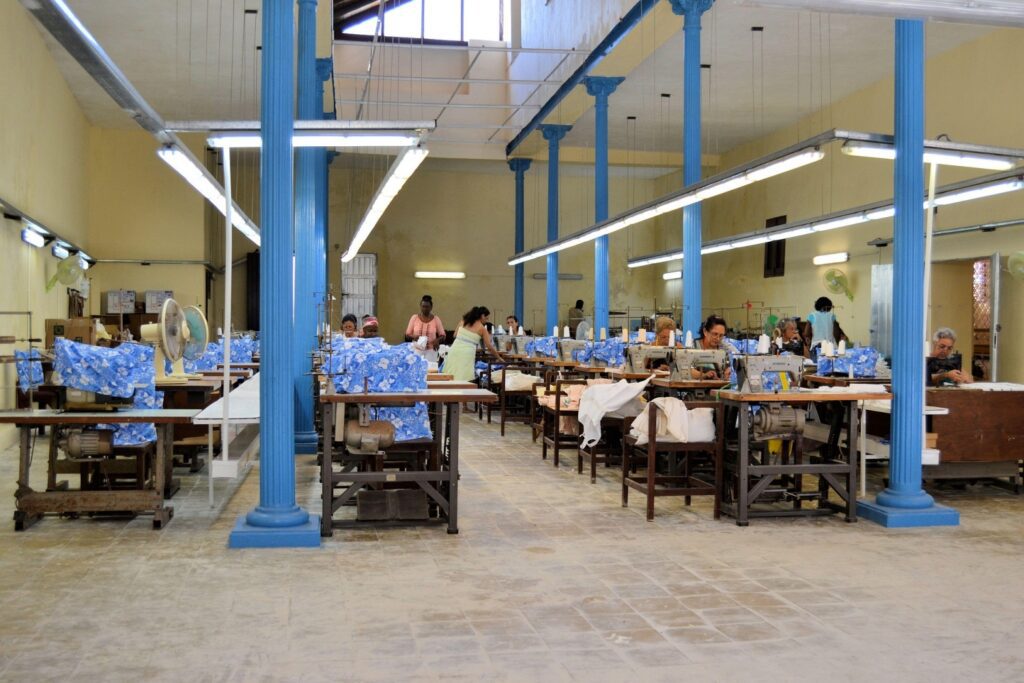
The proletariat, or working class, depends on the bourgeoisie for jobs. They sell their time and effort in exchange for wages.
They operate machines, build infrastructure, grow food, and provide services. Without them, the business will not generate wealth.
Bourgeoisie May Get Rich From Proletariat’s Efforts
Bourgeoisie put up capital to start or maintain businesses, but the actual value is created by workers producing goods and services.
However, the proletariat only receive wages, which are often much lower than the value they helped create. Marx argued that this system is unfair.
Proletariat Receives Wages From Bourgeoisie
The main reward for the proletariat’s labor is wages, which are usually limited to what is necessary for survival, not enough to accumulate wealth.
Unlike the bourgeoisie, workers rely solely on their salaries. If they lose their jobs, their livelihood immediately suffers.
Bourgeoisie Has Control Over Proletariat
Bourgeoisie owns the means of production, so they hold significant power over the proletariat. The proletariat may feel forced to accept poor working conditions or low wages because they need to survive.
Proletariat Can Limit Bourgeoisie’s Control Through Collective Efforts
Although the bourgeoisie has control, the proletariat is not totally powerless. They can fight back through collective action.
When the proletariat takes collective action against the bourgeoisie, it can disrupt power structures and spark major social, political, or economic change.
When they unite and form labor unions, they can demand higher wages, safer working conditions, and fairer treatment.
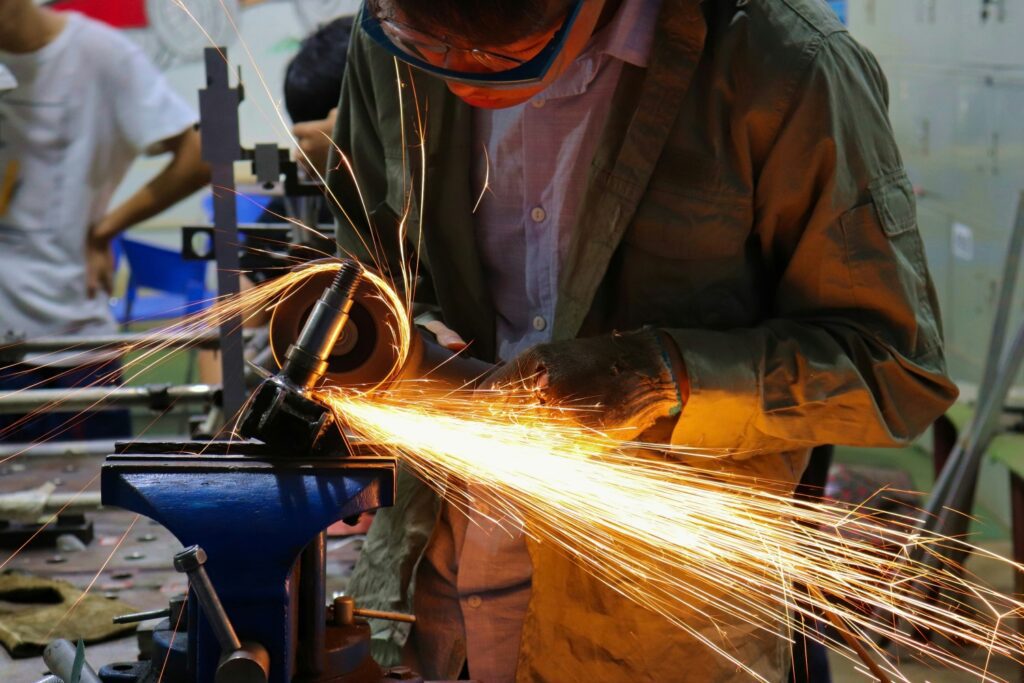
According to Karl Marx, Proletariats Are “Alienated”
One big problem for the proletariat under capitalism is alienation; they become alienated because they don’t control the products they create.
For instance, a factory worker might spend hours making shoes but never be able to own them. The shoes belong to the company, not the worker.
This disconnect makes them feel less human, since they can’t take pride in or benefit fully from their own work.
Marx believed this could push them to eventually rise up against the bourgeoisie and try to change the system.