
The Cuban Missile Crisis was a proxy war during the Cold War, and it was the closest the world ever came to nuclear war.
It began when the United States discovered that the Soviet Union was placing nuclear missiles in Cuba, just 145 kilometers from Florida.
It alarmed the American government because those nuclear weapons could destroy parts of their country within minutes.
The Cuban Missile Crisis Was a Proxy War During the Cold War
During the Cold War, the United States and the Soviet Union didn’t want to go to war directly because both had nuclear weapons; a direct conflict between them could easily escalate into another world war.
It was “cold” because the United States and the Soviet Union engaged in a long period of tension and competition without directly fighting each other.
Instead, they outsmarted and outmaneuvered each other in other parts of the world, using smaller or weaker countries as arenas for their competition.
This led to the creation of proxy wars, such as the Cuban Missile Crisis.
The United States Put Nuclear Missiles in Turkey
Before the Soviet Union put missiles in Cuba, the United States had already placed nuclear missiles in Turkey as a warning to the Soviets.
Turkey is very close to the Soviet Union. If the Soviets ever tried to attack the United States or its allies, the missiles would hit them quickly.
The Soviets felt unsafe, so they put missiles in Cuba to even the playing field.


The Soviet Union Put Missiles in Cuba as a Response
The Soviet Union decided to put its own nuclear missiles in Cuba to give the United States a taste of their own medicine.
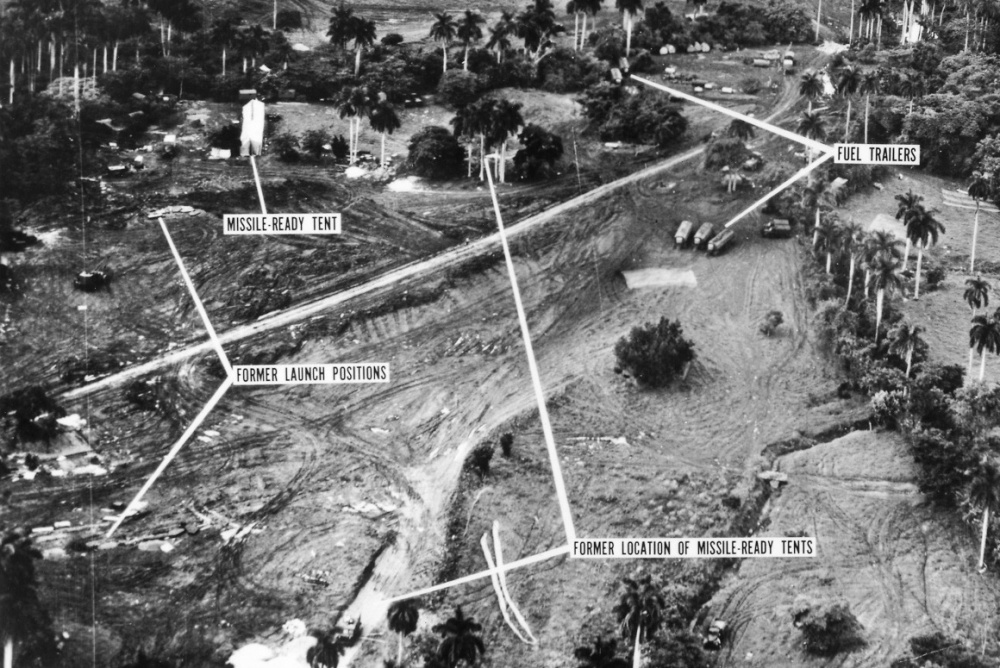
The missile sites were built secretly, but American spy planes soon discovered them. And that was when the Cuban Missile Crisis started.
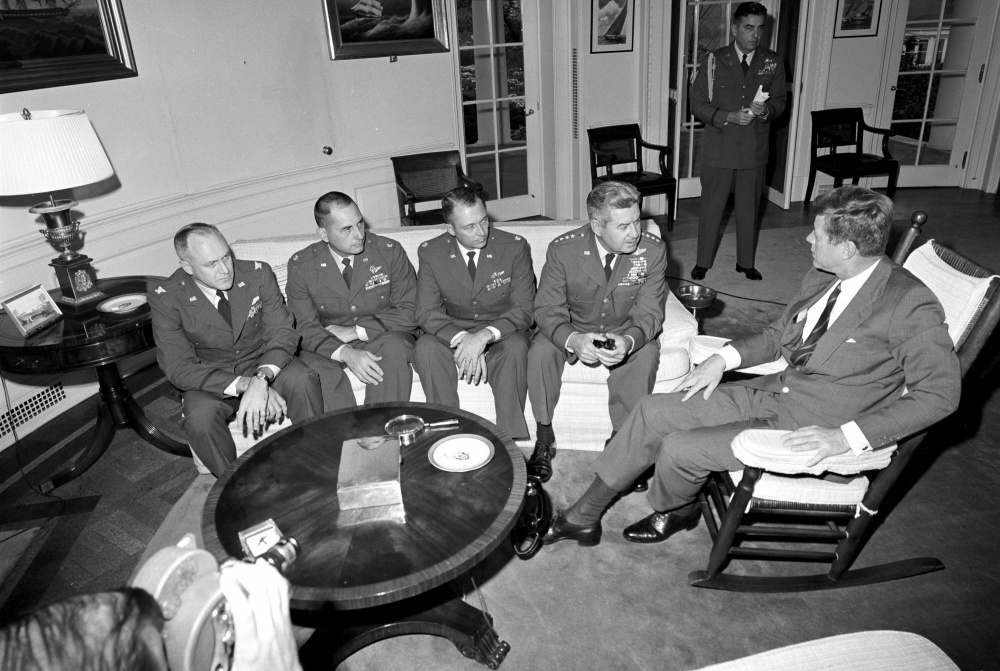
President John F. Kennedy immediately demanded that the missiles be removed and ordered a naval blockade around Cuba.
The Soviets refused at first and kept their ships moving to test how far the United States was willing to go, and to show they wouldn’t back down easily.
The United States and the Soviet Union Reached an Agreement
After thirteen days, the United States and the Soviet Union made a deal to end the Cuban Missile Crisis because if they didn’t come to an agreement, it could lead to a nuclear war that would destroy both countries, and the world.
The United States agreed not to invade Cuba again.
In return, the Soviet Union agreed to remove its missiles from Cuba, but the removal had to be supervised to ensure that the weapons were gone.
But there was also a secret part of the deal.
The United States agreed to quietly remove its missiles from Turkey within a few months. This part was not announced to the public at the time because the United States didn’t want to look like it had given in to Soviet pressure.