
Because of its archipelagic nature, the economic activities in the Philippines vary widely across its 7,641 islands.
Filipinos in rural areas depend on agriculture, fishing, and forestry. Those in urban areas, on the other hand, usually work in construction, shops, transport companies, offices, and service agencies.
But despite the differences, all economic sectors are connected; if one sector grows or struggles, it affects the others.
Let us dive deep into these economic activities to understand the strengths of the Filipino workforce and the areas that need improvement.
Major Economic Activities in the Philippines
The Philippines is a developing country with a wide range of economic activities that help people earn a living and support national growth.
Agriculture
Agriculture is one of the oldest and most important economic activities in the Philippines because its land and climate are suited for growing crops.
It is not the biggest sector anymore, but it is important because Filipinos rely on it for food and income, and many industries depend on produce.
Fisheries
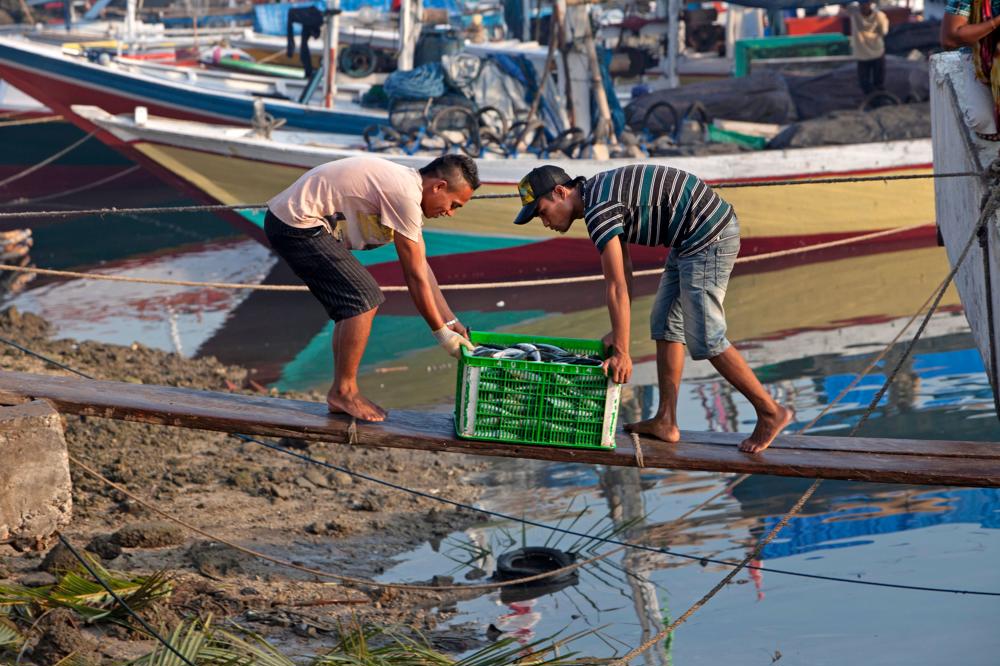
The Philippines has a long coastline; near and along coastal areas, millions of Filipinos live and depend on fishing for food and income.
The Philippine coastline is about 36,289 kilometers long.
Sadly, overfishing, illegal fishing, pollution, and other destructive methods shrink fish stocks and threaten the livelihoods of coastal communities.
Many small-scale fishermen also don’t earn enough because they rely on simple fishing boats and can’t compete with large commercial fishing vessels.
Forestry
In the Philippines, many people in upland communities depend on forestry for livelihood. Unfortunately, the country has suffered from decades of deforestation due to illegal logging, farming expansion, and mining.
Mining
The Philippines has rich deposits of gold, nickel, copper, chromite, and other minerals used in construction, electronics, jewelry, and industrial production.
Mining can bring large revenue to the economy through exports and investments. It also creates jobs in remote areas.
However, it is highly controversial because it can cause environmental damage. Some mining operations also create conflict between companies, local communities, and Indigenous peoples.
Manufacturing
Manufacturing is important because it boosts the Philippine exports and supports other sectors: transportation, packaging, logistics, and more.
But because many raw materials must be imported and neighboring countries with cheaper labor make competition tough, it struggles to grow consistently and faces higher production costs.
Construction
Construction is one of the fastest-growing sectors because of population growth, urban development, and government infrastructure projects.
It provides millions of jobs to both skilled and unskilled workers, but the work is risky. Accidents, unstable contracts, and harsh conditions are common, especially for those in low‑wage, informal construction roles.
Services
The Philippines is known globally for its business process outsourcing (BPO) industry because Filipinos are highly proficient in English, adaptable, and able to deliver quality service at competitive costs.
BPO in the Philippines started in the early 1990s when Accenture set up its first global resource center in the country.
However, artificial intelligence is starting to shake things up; routine tasks are getting automated, so BPO workers and companies now have to move toward higher‑skill, more complex services to stay competitive.
Overseas Filipino Workers Send Remittances and Boost the Economy
Millions of Filipinos work abroad as nurses, construction workers, domestic helpers, engineers, seafarers, and professionals.
They send remittances to their families in the Philippines, and these remittances stabilize the economy during crises because they continue flowing even when domestic industries slow down.
Informal Sectors Provide Livelihood But Are Unregulated
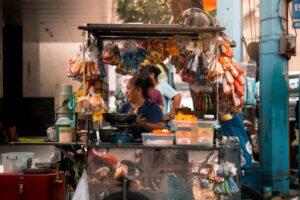
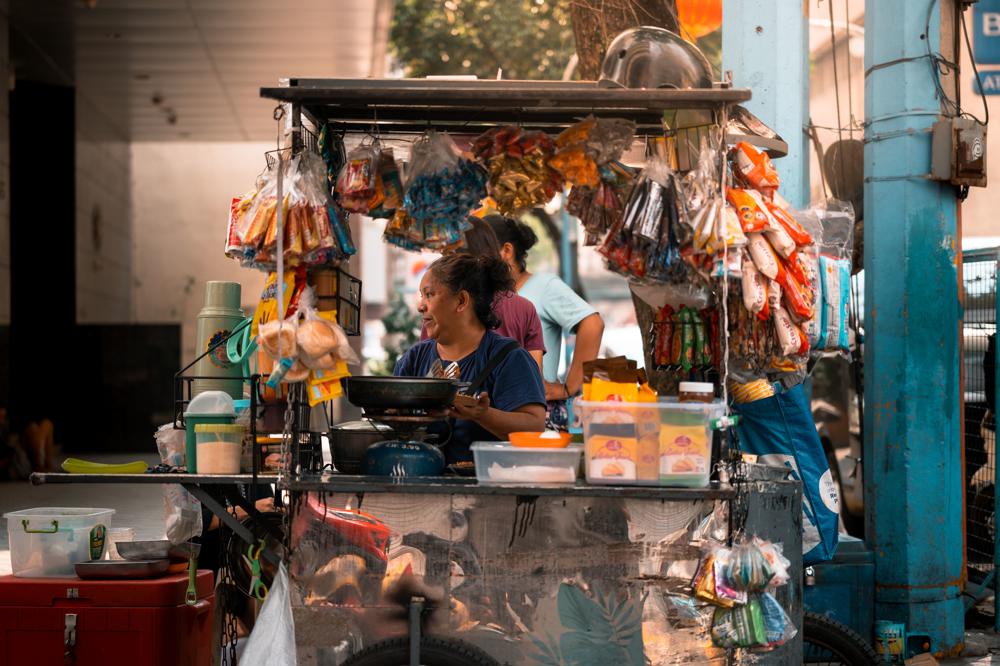
The informal sector includes small, unregistered, and unregulated economic activities like sari-sari stores, street-level food stalls, and tricycle driving.
It provides flexible, low-cost income opportunities and serves the immediate needs of communities, but it has no job security and legal protection.
Some Challenges to the Economic Activities in the Philippines
The Philippine economy grows, but not as fast or as evenly as other countries. Some sectors perform strongly, but others struggle due to several factors.
Natural Disasters
The Philippines is disaster-prone. It regularly experiences typhoons, earthquakes, volcanic eruptions, and floods, which can be damaging.
Natural disasters can wipe out entire farm fields in hours and make fishing impossible. Businesses close during these times, too, and transportation is just not safe or accessible for everyone.
Poverty
Over 17 million Filipinos are poor. Poverty limits their opportunities for education, stable jobs, and economic participation.
The Philippines has a population of over 116 million people.
It also affects their confidence and motivation, making it harder for them to improve their living conditions.


Social Inequality
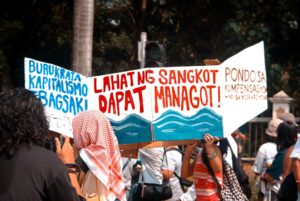
In the Philippines, social inequality is widespread; it is seen in income, education, land ownership, and employment.
Rural areas struggle with limited resources, so many Filipinos move to urban areas to have access to better opportunities.
Wealth is concentrated among a small group of families, too, while millions remain poor or middle class.
This imbalance slows down economic growth because only a small portion of the population can fully participate in the economy.
Poor Infrastructure
It is possible to move products from one place to another across the Philippines without a private vehicle, thanks to public transportation.
But because the islands are separated by water, it can be costly and slow. If, for instance, farmers can’t transport their crops fast enough, it leads to spoilage.
Public transportation is also almost always crowded, especially in urban areas. A lot of time is wasted waiting in lines and sitting through heavy traffic.
The Services Sector Is the Top Economic Sector in the Philippines
Currently, the services sector contributes the largest share to the Philippine economy; it provides the most jobs and generates significant income.
It grows quickly because it requires skills rather than natural resources, which are renewable but limited and unevenly distributed across the country.