
Scientists have used evidence from the Earth, rocks, fossils, and natural processes to explain the origin of the Philippines.
Stories, both cultural and religious, have also been passed down through generations to describe how early Filipinos imagined the world.
Each perspective gives a different kind of truth. Let us go through them to see how Filipinos make sense of their origins and identity.
The Origin of the Philippines Based on Science
According to science, the Philippines was formed over millions of years through geological processes, such as volcanic activity, plate tectonics, and the movement of the Earth’s crust.
Land Bridge Theory
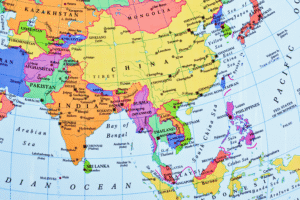
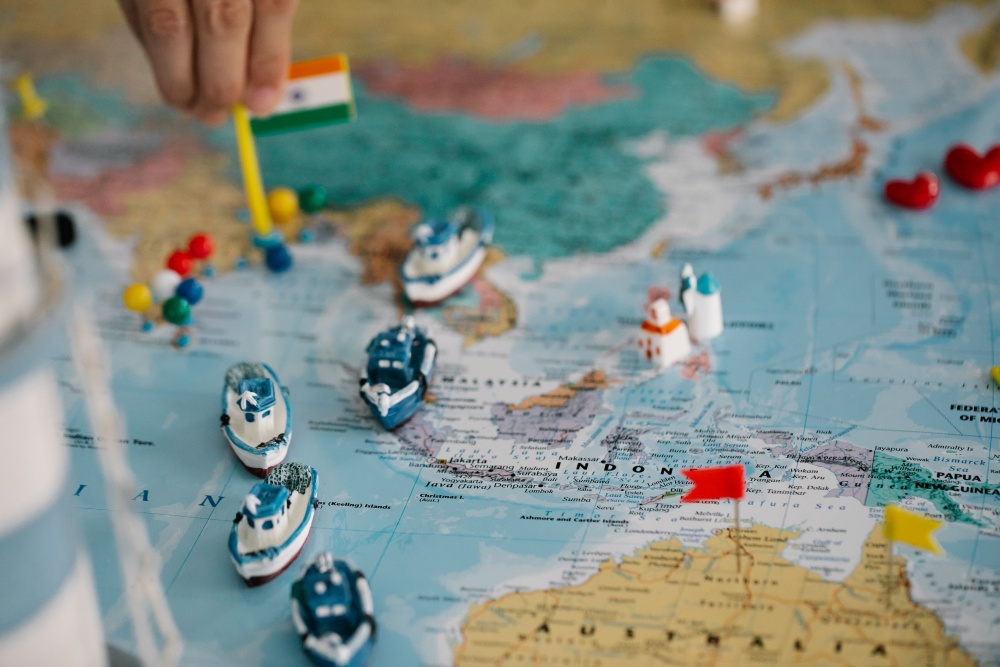
The Land Bridge Theory explains that the Philippines was once connected to mainland Asia through strips of land that are now underwater.
Geological evidence shows that much of the Philippines was never fully connected to mainland Asia by land bridges. Early humans likely reached the islands by crossing water.
During the Ice Age, large amounts of water were trapped in ice, causing sea levels to drop. Because of this, land that is now submerged became exposed, forming natural bridges between continents and islands.
The theory suggests that early humans and animals could migrate through these exposed land areas, supported by the presence of animals in the Philippines that are similar to those in nearby Asian countries.
Tectonic Plate Theory
According to the Tectonic Plate Theory, the Earth’s crust is made of large tectonic plates that move slowly over time.
When these plates collide, pull apart, or slide past one other, they create mountains, trenches, earthquakes, and volcanoes.
As the plates interacted over long periods of time, parts of the ocean floor were uplifted above sea level, gradually forming islands.
Continental Drift Theory
The Continental Drift Theory was proposed by Alfred Wegener, who suggested that continents were once joined in a single supercontinent called Pangaea.
As time passed, this giant landmass broke apart, and the continents slowly drifted to their present locations.
The movement of continents has influenced climate, ocean currents, and the distribution of plants and animals around the world.
Volcanic Origin Theory
The Volcanic Origin Theory states that many of the Philippine islands were formed through volcanic activity.
When magma from beneath the Earth’s crust rises and erupts, it cools and hardens into rock. Over time, repeated eruptions build up layers of volcanic material that eventually form islands.
This theory works closely with the Tectonic Plate Theory because volcanic activity is often triggered by the movement of tectonic plates.
The Origin of the Philippines Based on Folklore
Long before modern science, Filipinos told stories and legends to explain the origin of the Philippines and its people.
Malakas and Maganda
The story of Malakas and Maganda is generally considered a Tagalog creation myth. It tells of a bamboo stalk that was split open by a bird, but it was not specified where the bamboo came from.
From the bamboo emerged Malakas and Maganda, who became the first man and woman and the ancestors of the Filipino people.
Captan and Maguayan
In the Visayan folkore, there is Captan and Maguayan.
Captan is the god of the sky, and Maguayan is the goddess of the sea. Their children, Lihangin and Lidagat, married and had four children.
Sibling marriages are fairly common in myths about the origin of the world. They begin with only a few primordial beings from whom the rest of the world descends.
When these grandchildren rebelled against Captan, he struck them with lightning. Their bodies were transformed into different parts of the world, including the sun, moon, stars, and land.


The Origin of the Philippines Based on Religion
Religious explanations trace the origins of the Philippines and its people to the creative power and purpose of a divine being.
The Book of Genesis
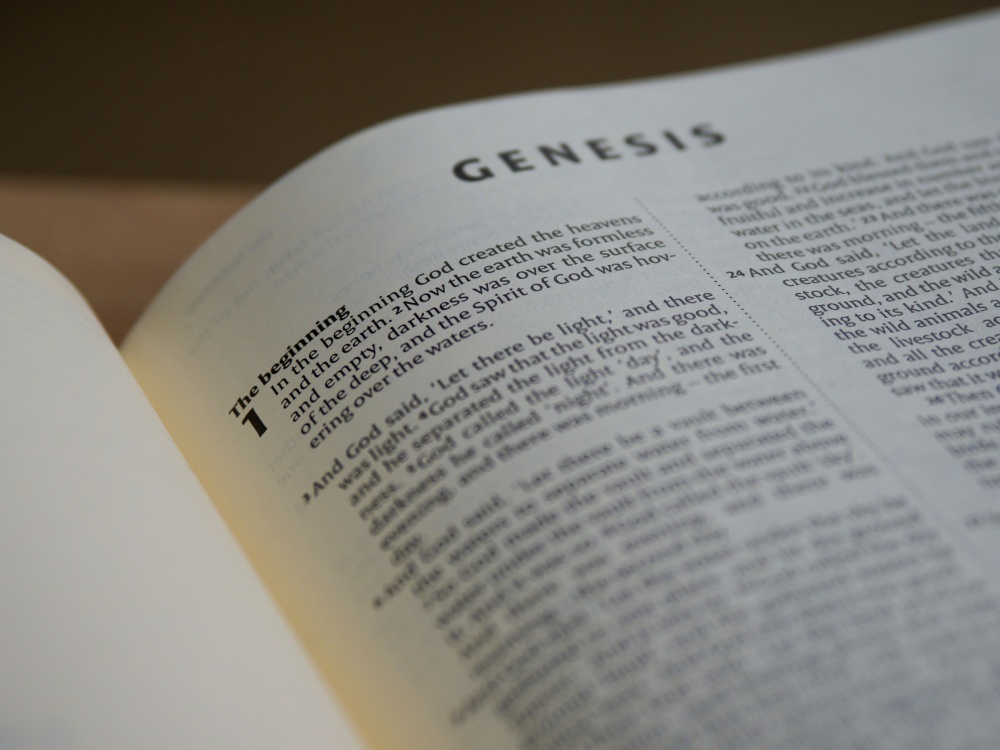
In the Book of Genesis, God created the world in six days and rested on the seventh. He created light, land, water, plants, animals, and Adam and Eve.
Even though it doesn’t mention the Philippines, believers interpret it to mean that all nations, including the Philippines, are part of God’s creation.
The world was created by Him with intention, order, and purpose.
The Religious Origin of the Philippines Is Generally More Popular for Christian Filipinos
In the Philippines, the religious explanation of creation is more popular among Christian Filipinos. They grew up hearing Bible stories; they first learned that God created the world and everything in it.
Scientific explanations are introduced later through formal education. However, learning about science doesn’t necessarily replace religious beliefs, and many Filipinos continue to hold both perspectives.