We pick up and absorb culture from our environment. It teaches us how to live, what to believe, what matters, and how to relate to others.
It can be seen in both material and non-material forms, and it is passed on through enculturation so that each generation carries it forward.
Enculturation is the process by which individuals learn and adopt the values, norms, and behaviors of their culture.
Sometimes, however, it can divide groups, especially if one thinks the other is inferior for some reason. You know, ethnocentrism.
But if everyone respects the differences, the world will be harmonious.
Culture Is a Collective Identity Formed Through Shared Experiences
We feel more connected to those who belong to our culture because we share the same “cultural memory” with them.
It is the shared knowledge, traditions, and experiences of a community that are passed down through generations.
Shared cultural experiences can take many forms, such as the ones below.

Language
Language is important for preserving culture because it is the main way we share cultural knowledge and values.
Imagine being the only person in the world who speaks Filipino. Every word you say would go unheard, every thought misunderstood.
When you pass away, all that knowledge, all that language, all that culture would vanish with you. You failed to pass it on!
Customs
Customs are the practices and rituals that we follow in our daily lives, handed down from previous generations.
They show how to properly behave in certain situations, and the idea of “proper” varies. It may also change over time as societies modernize.
Beliefs
Beliefs can be religious, spiritual, or secular, but they always influence how we think, act, and see the world around us.
Beliefs are shaped by upbringing, culture, experiences, education, and the people we interact with.
They help us make sense of situations, giving meaning to things that are quite hard to explain, like death, illness, or success.
Morals
Your morals determine your idea of right and wrong, and they are shaped by your culture, too, not just religion.
Laws
Laws are the formal rules created by governments or authorities to regulate society. Anyone who doesn’t abide will face consequences.
They set clear boundaries for acceptable behavior, although some can become unfair or outdated as society changes.
History
History helps us understand why we live the way we do today, since much of what we have comes from the efforts of our ancestors.
By looking back, we can see what to preserve and what to avoid so that our culture lasts; it helps us learn from past mistakes.
Culture Can Be Material or Non-material
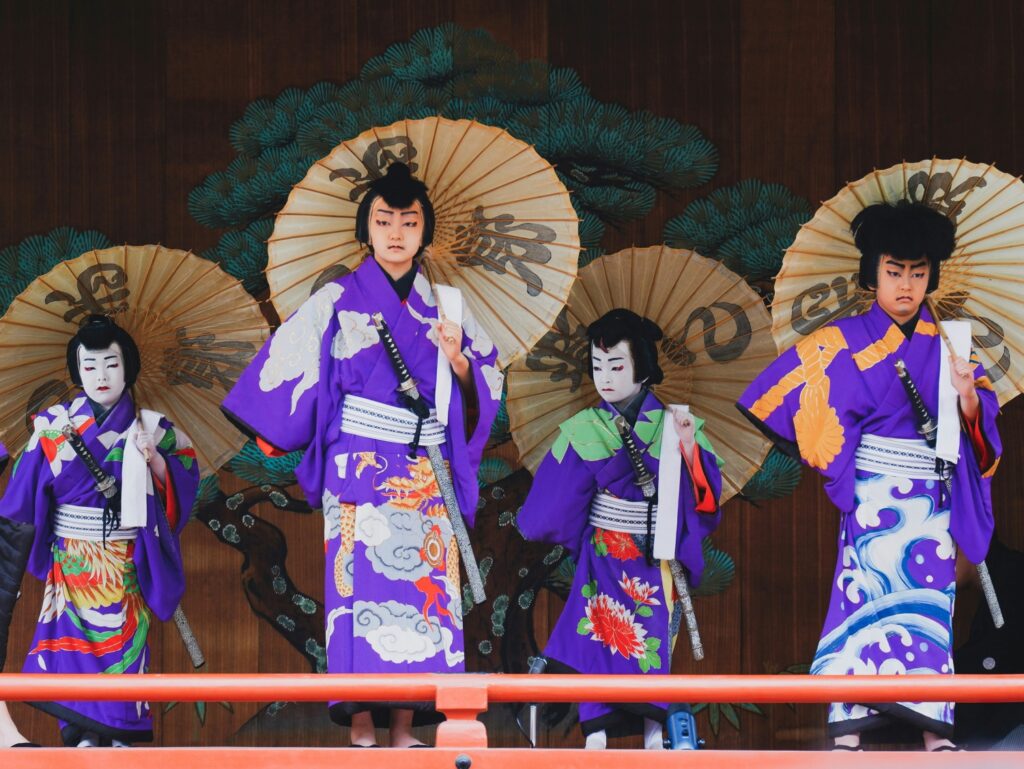
Culture can be material or non-material. Both are equally important because they influence how people live and interact.
Learn about their differences below.
Material Culture
Material culture is easy to see because it is physical. It is the objects, tools, technology, and artifacts that we use in our daily lives.
It gives us clues about how our ancestors lived, what they cared about, and what they were capable of at the time.
And many years from now, future generations will also learn about us through the things we leave behind.
Non-material Culture
Non-material culture refers to cultural values, beliefs, or norms, so it can’t be touched or physically seen. But it lasts longer than material culture.
Culture Matters in Society for Many Reasons
Culture holds society together and gives us a framework for living. It provides identity, belonging, and social order, which are explained below.
Individual Identity
Culture influences how we see ourselves and our place in the world, as well as how we relate to others.
If we only know our culture, we risk becoming close-minded. But when we experience new cultures, our identity grows and changes.
Xenocentrism values other cultures over one’s own, while ethnocentrism sees one’s own culture as superior.
This is why some people are racist until they become friends with other races; building those connections creates understanding.
Sense of Belonging
One strong function of culture is that it provides a sense of belonging.
We are connected to a community that understands and values us, so it reduces feelings of isolation and gives us emotional support.
Social Order
Culture has both written and unwritten rules that guide how we behave and keep conflicts to a minimum.
It also maintains order through shared values and morals, which push us to cooperate and steer clear of harmful actions.
Culture Can Unify or Divide Populations
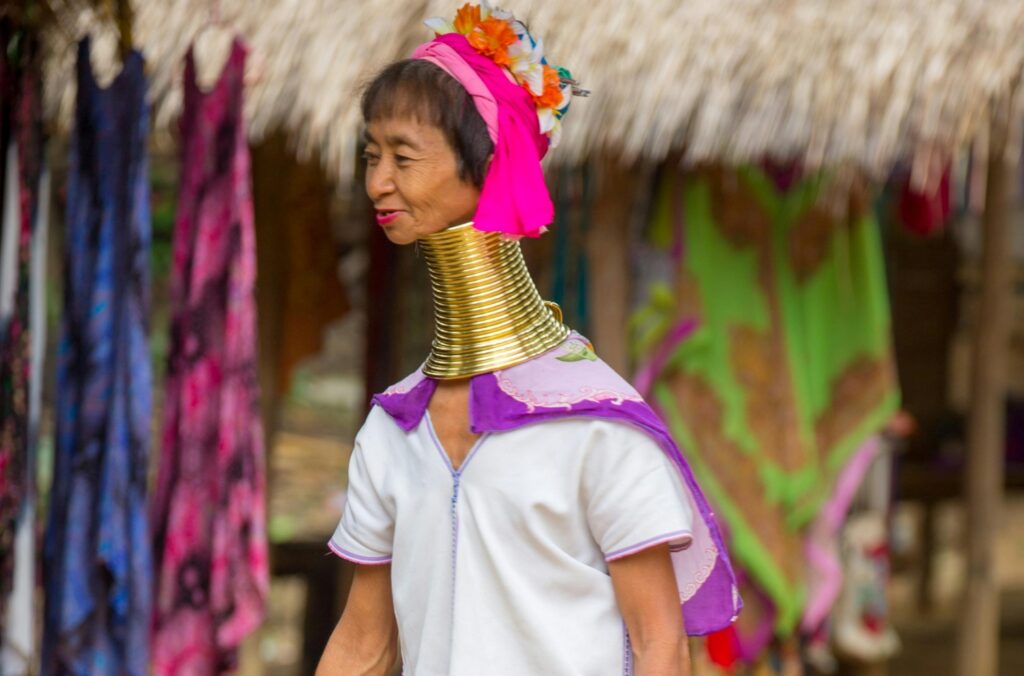
Culture brings everyone with shared experiences together, but it can be the cause of conflict if certain groups in a society seek change.
An example of a cultural conflict is the tension between traditional gender roles and modern views on gender equality.
Older generations may expect women to remain homemakers, while younger generations want to create an identity outside the home.
Some traditions are worth keeping because they give us identity and connect us to our roots. But others might need to change if they no longer fit.
Unfortunately, not everyone agrees.